
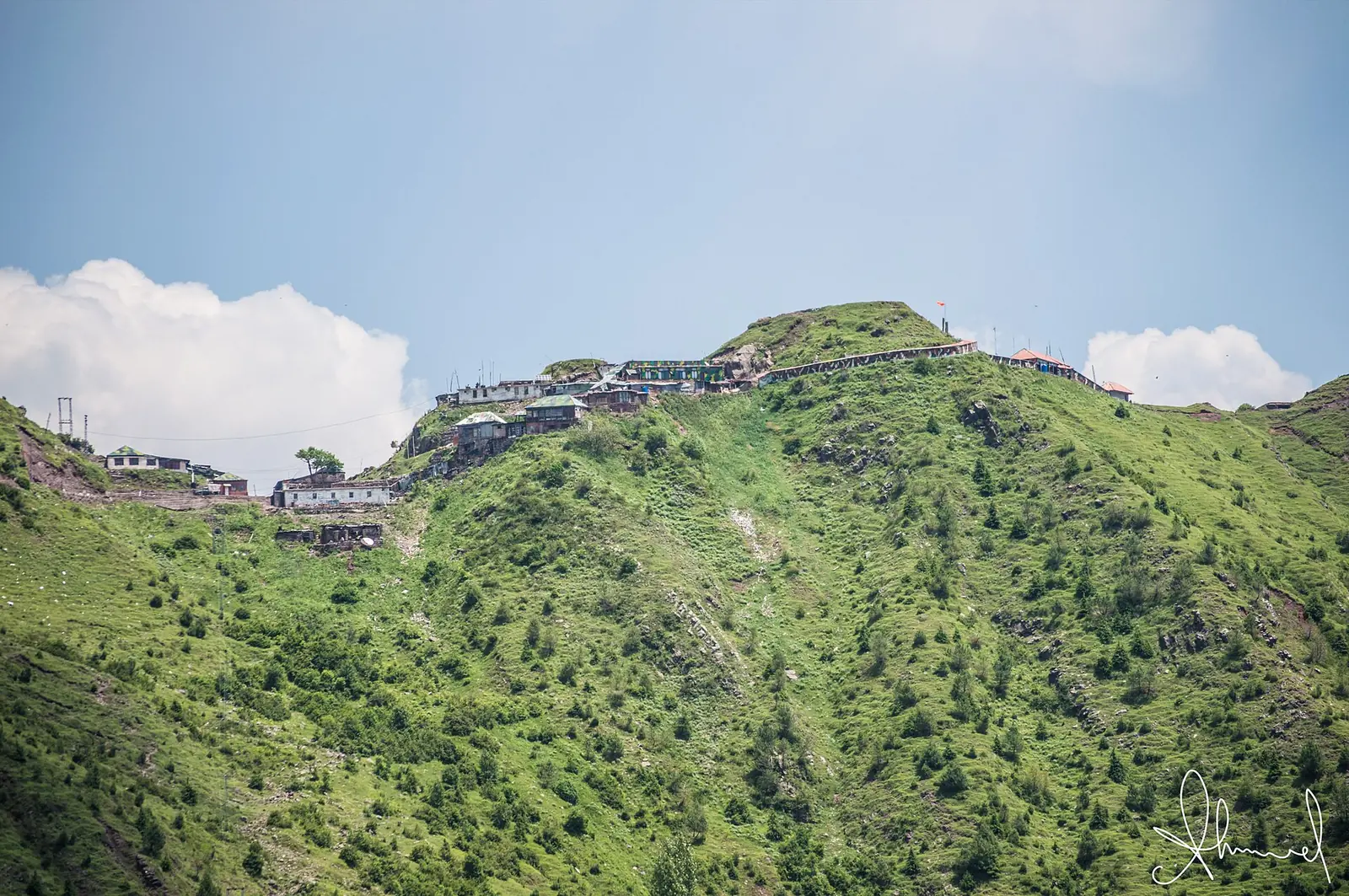
1 Para took the pass on 28 August, cutting the main infiltration route into the Valley; it was handed back under the Tashkent Declaration of January 1966.
01Closing the gate
In August 1965 Pakistan launched Operation Gibraltar, sending armed men across the ceasefire line to raise a revolt in the Valley. The Kashmiri people did not rise, and the Indian Army decided to cut the routes the infiltrators used. The most important ran over the Haji Pir Pass, about 8,600 feet high, in the bulge of Pakistan-held territory between Uri and Poonch. Under Operation Bakshi, named for the brigade commander, Brigadier Z. C. Bakshi, the 68 Infantry Brigade was to take the heights around the pass from the Uri side.
02The climb in the rain
On the night of 25–26 August, in heavy rain, 1 Para under Major Ranjit Singh Dayal took Sank, one of the heights commanding the approach. Rather than attack the pass head-on along the road, Dayal led his men by a long route across the hills, climbing through the night of 27 August over steep, broken ground. At dawn on 28 August they came down on the pass from the flank and took it after a short fight. Other battalions linked up from the Poonch side in the following days. Dayal was awarded the Maha Vir Chakra.
Haji Pir closed Pakistan’s main infiltration route and linked Uri with Poonch by the short road; returning it at Tashkent remains one of the most argued decisions of the war.