
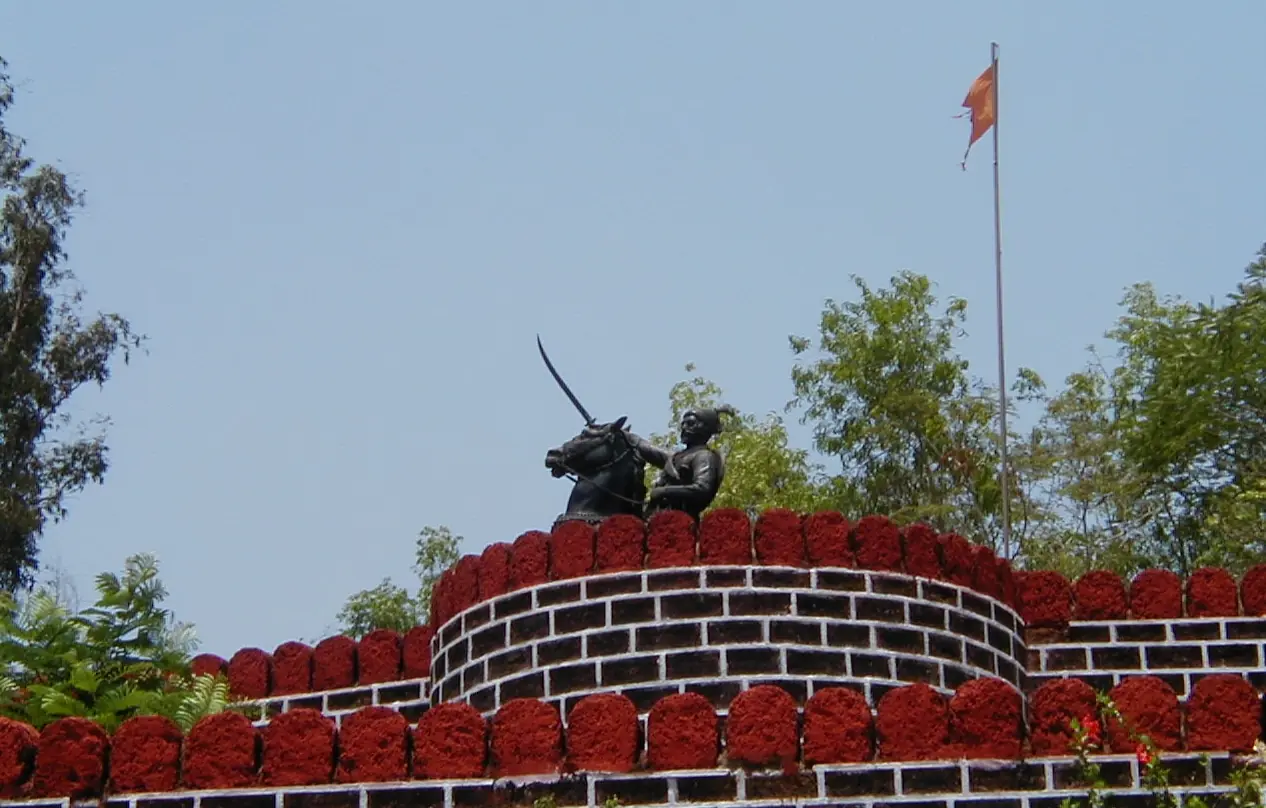
Sambhaji broke the Portuguese siege of Ponda and overran the islands of Goa, but withdrew when a Mughal army came down the Konkan.
01Ponda relieved
In late October 1683 the Count of Alvor marched on Ponda, the Maratha fort that watched Goa from the east, and battered it with siege guns. Sambhaji came down from the ghats with his army, and the Portuguese, in danger of being cut off, fell back across the river with heavy loss; the viceroy himself was wounded in the retreat. The Portuguese records speak of the panic in the city.
02Santo Estêvão and the Mughal arrival
In November the Marathas crossed to the island of Santo Estêvão (Juve) and took its fort, and their horse raided Bardez and Salcete. In Old Goa the viceroy, the records say, laid his baton of office on the tomb of St Francis Xavier and prayed for the city. Relief came from the north. Aurangzeb sent his son Shah Alam down the Konkan with a large army in January 1684, and Sambhaji had to turn and face it. A peace with the Portuguese followed later.
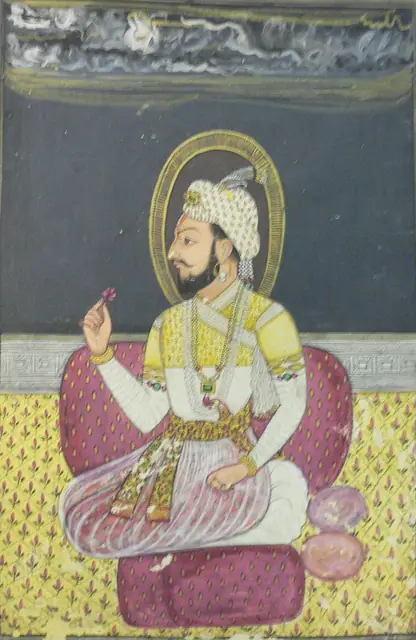
The Goa campaign showed Sambhaji fighting three enemies at once, the Mughals, the Siddis and the Portuguese, and keeping the Portuguese from joining the Mughal war against the Marathas.