
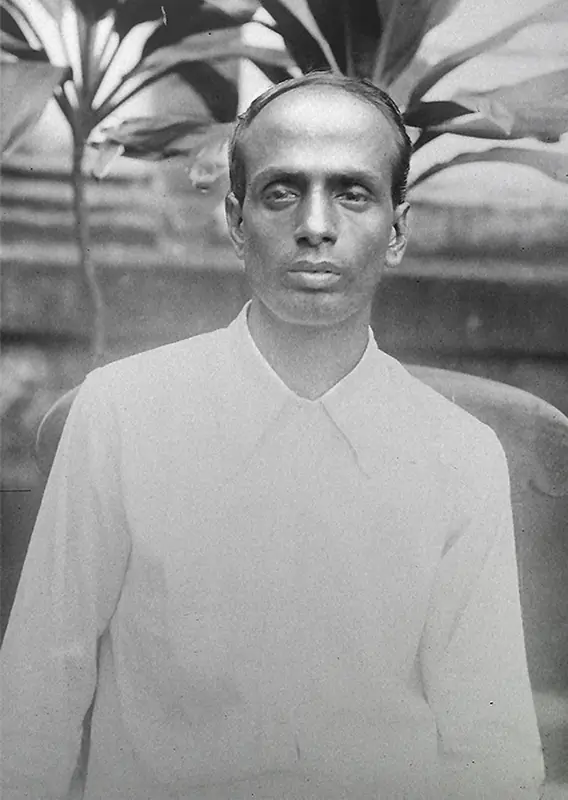
The raiders seized both armouries and held the town for a night, but found no ammunition; after the fight at Jalalabad hill they scattered into guerrilla war.
01The night of 18 April
Surya Sen, called Masterda by his students, planned the rising for months. On the night of 18 April 1930, Good Friday, his groups struck together: one took the police armoury, another the Auxiliary Force armoury, others cut the telegraph and telephone lines and the railway. They raised the flag and proclaimed a provisional government. But the ammunition they needed was kept elsewhere, and the rifles they took were of little use without it.
02Jalalabad and after
The raiders withdrew to the Jalalabad hills outside the town. On 22 April British troops attacked them there; a dozen of the young fighters fell, and the rest broke into small groups. For nearly three years they fought on. Pritilata Waddedar died leading an attack on the Pahartali European Club in September 1932. Surya Sen was betrayed and captured in February 1933, tortured, and hanged in Chittagong jail on 12 January 1934.
Chittagong showed that young Bengalis could plan and carry out an armed rising against the Raj, and its heroes, from Surya Sen to Pritilata and Kalpana Datta, inspired the revolutionaries of the 1930s.