Wheeler’s entrenchment surrendered on 25 June; Havelock retook the city on 17 July, and Campbell defeated Tatya Tope there on 6 December.
01Wheeler’s entrenchment
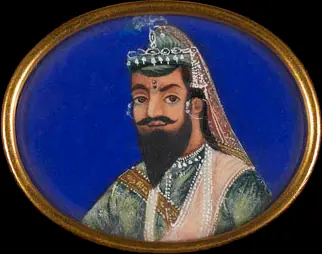
Nana Saheb had been refused his adoptive father Bajirao II’s pension and title by the Company. When the Kanpur sepoys rose on 4–5 June 1857, he took their leadership. General Wheeler, with some 900 people, half of them women and children, held a weak entrenchment for three weeks under fire and in the June heat. On 25 June he accepted Nana Saheb’s offer of safe passage by boat to Allahabad. On 27 June, as they boarded at Satichaura Ghat, firing broke out; who fired first is still disputed. Most of the men were killed, and about two hundred women and children were taken prisoner.
02Bibighar and after
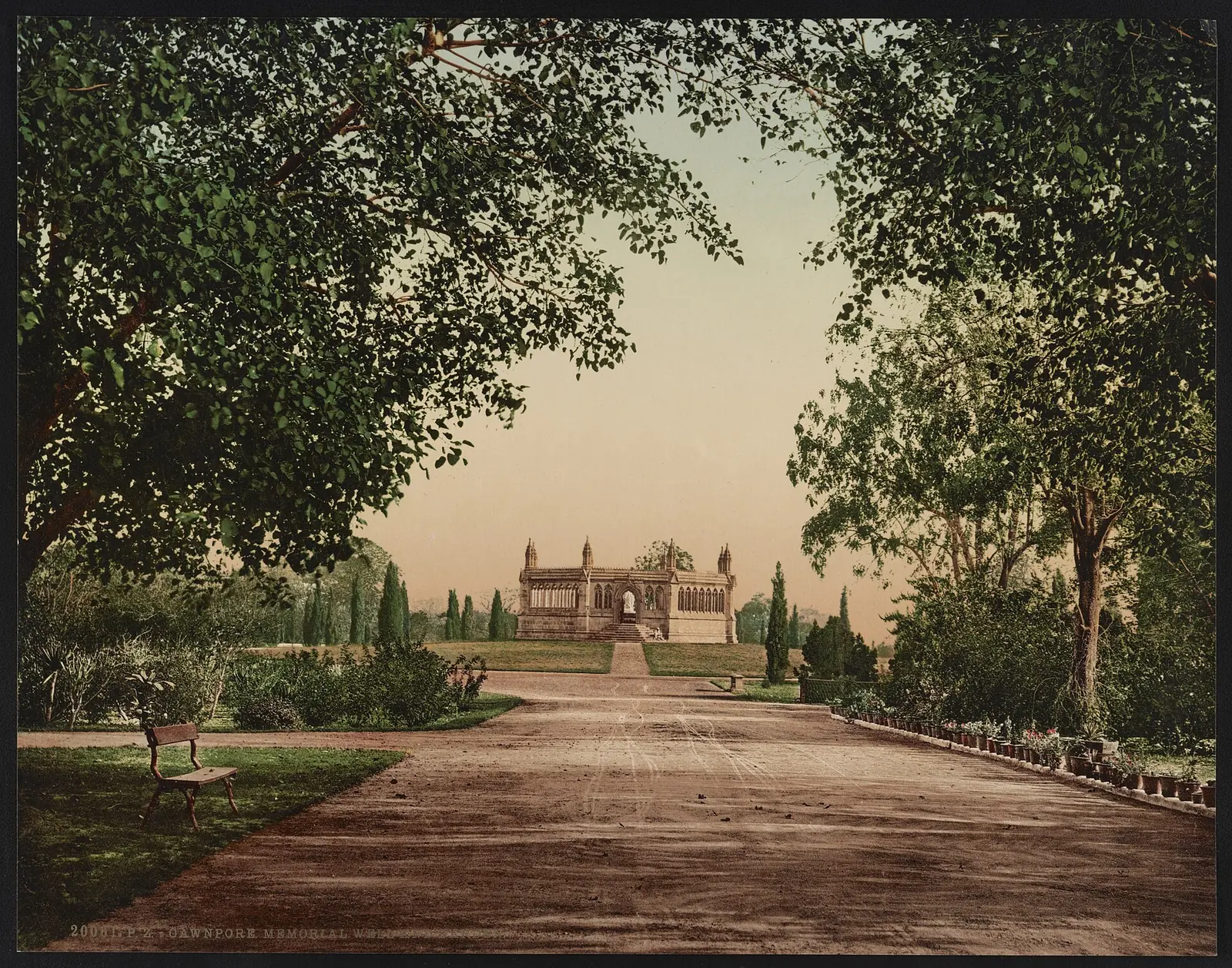
The captives were held in a house called the Bibighar. On 15 July 1857, as Havelock’s column drew near after beating the Nana’s troops, they were killed and their bodies thrown into a well. Havelock entered Kanpur on 17 July. General Neill’s reprisals followed: Indian prisoners and villagers along the Grand Trunk Road were hanged in great numbers. In November Tatya Tope came back with the Gwalior Contingent, defeated General Windham and held most of the city, until Colin Campbell beat him on 6 December. Nana Saheb withdrew towards Nepal and was never captured.
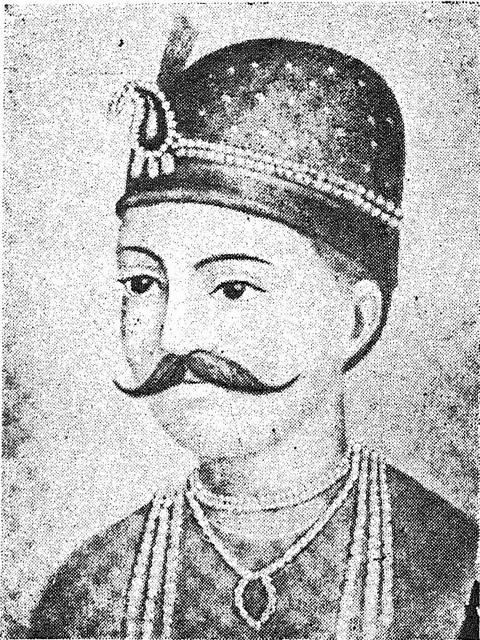
Kanpur made Nana Saheb and Tatya Tope leaders of the whole rising; the killings on both sides hardened the war into one of extreme cruelty.