01The tiger-killer
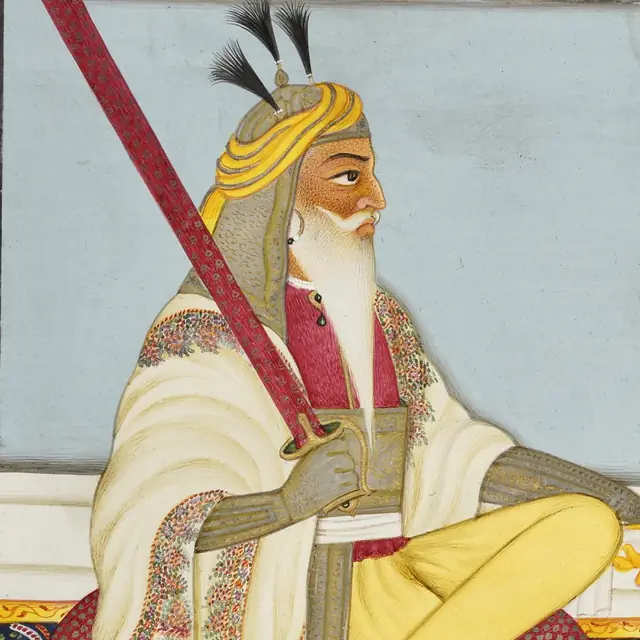
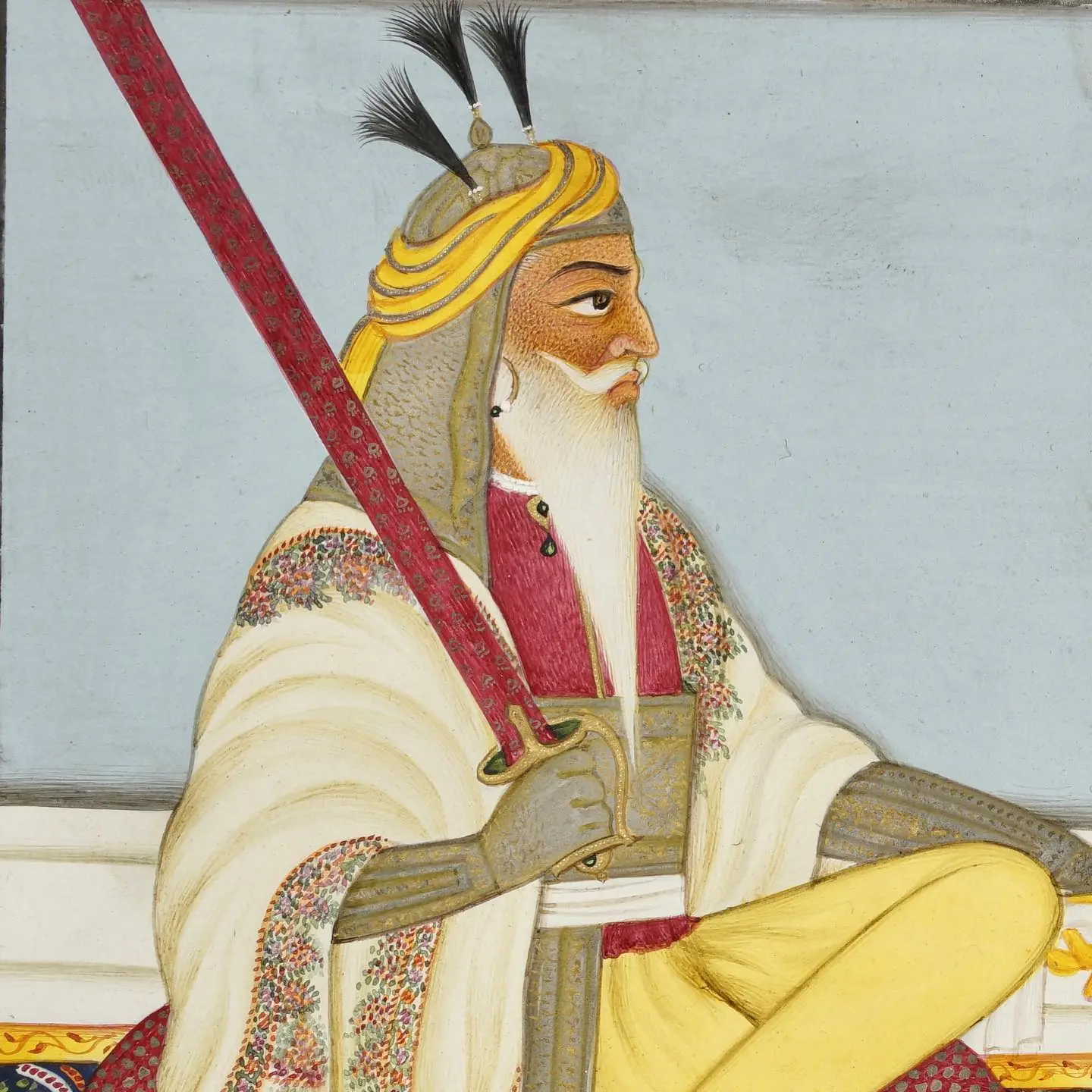
Born at Gujranwala in 1791, he came to Ranjit Singh’s court as a youth. Court tradition says he killed a tiger that had already mauled his horse, and the Maharaja called him Nalwa, after Raja Nala. He fought at Kasur in 1807, at Attock in 1813 against the Afghan vazir Fateh Khan, at Multan in 1818 and at Shopian in 1819, where Kashmir was won. As governor of Kashmir in 1820–21 he struck a rupee that people called the Hari Singhi.
02Peshawar and Jamrud
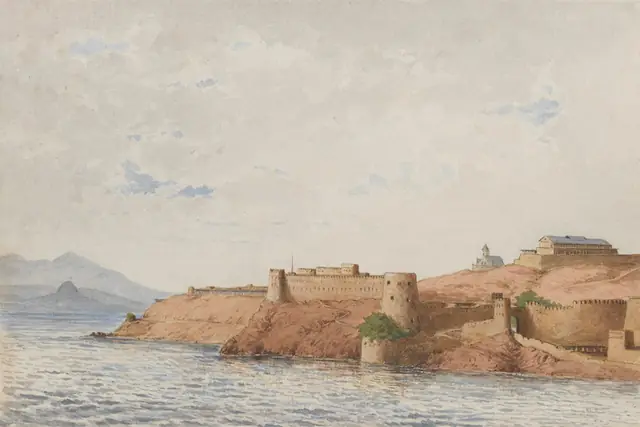
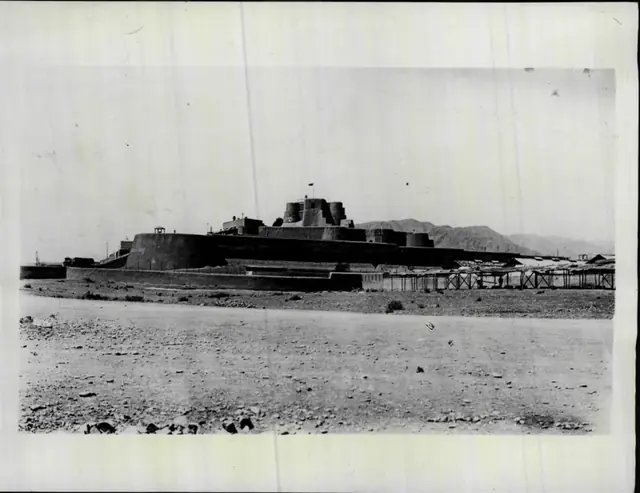
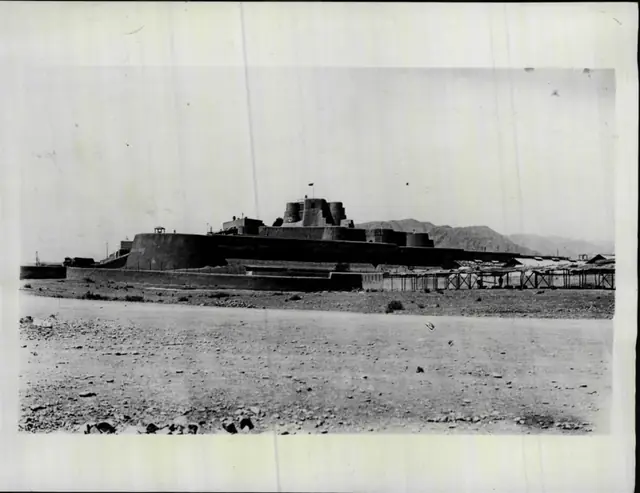
In Hazara he founded the town of Haripur with its fort. In 1834 he occupied Peshawar, and for the first time in some eight hundred years, since the Hindu Shahis fell to Mahmud of Ghazni, the valley was held by a power from the Indian plains. He built Jamrud fort at the very mouth of the Khyber in 1836. In April 1837 Dost Muhammad Khan sent his son Akbar Khan with an army to retake it. Hari Singh rode out from Peshawar to relieve the garrison and was mortally wounded on 30 April. His men kept his death hidden until relief arrived; the fort held.