01The wish-granting jewel
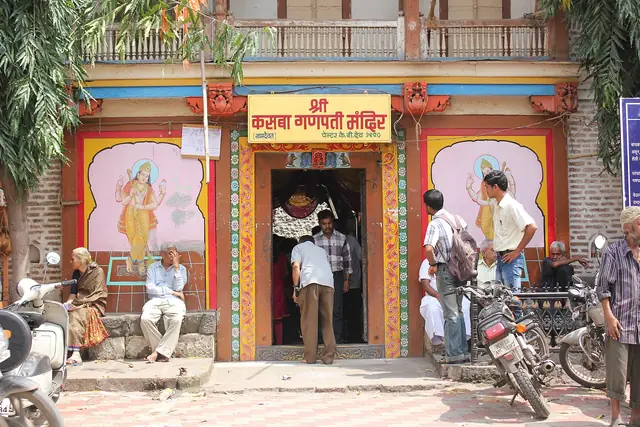
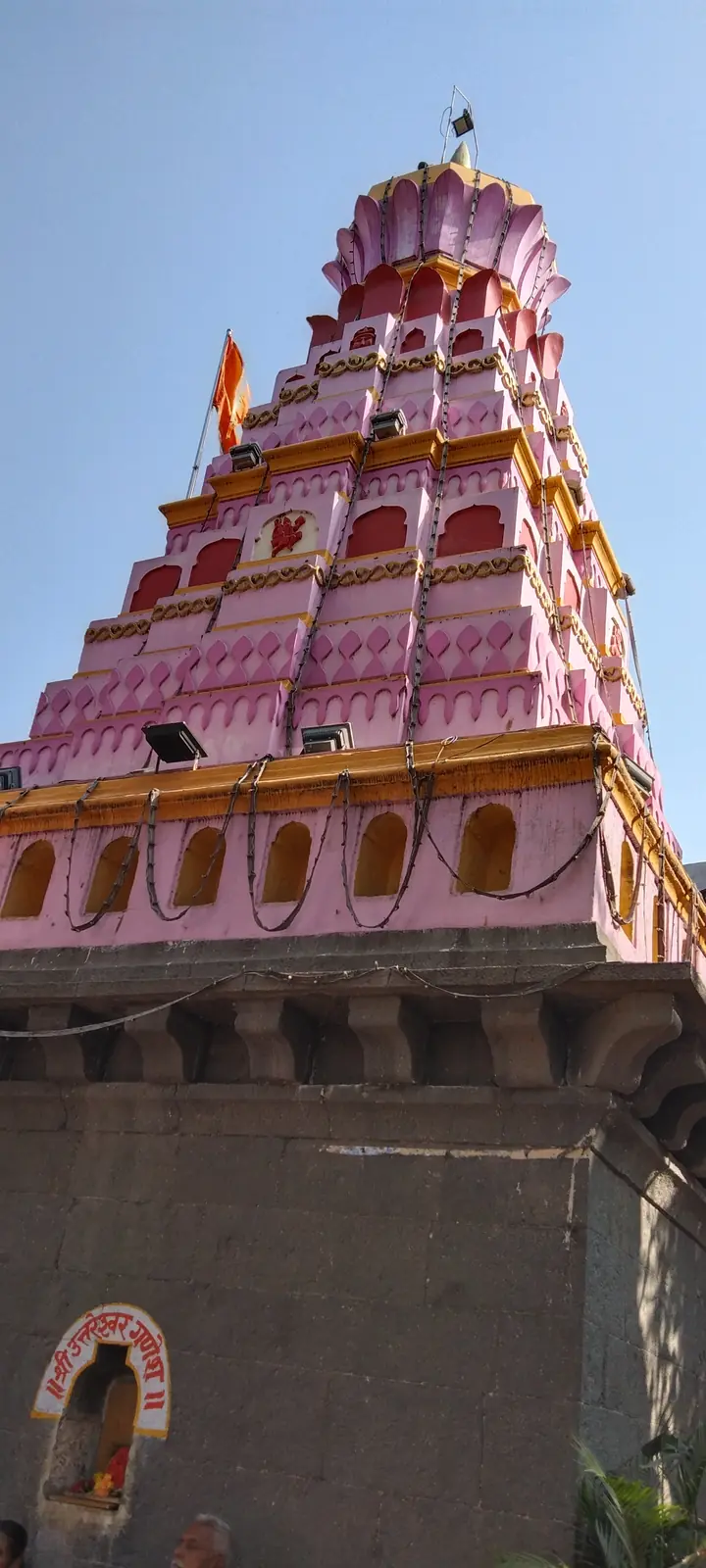
The Ganesha Purana tells of the greedy prince Guna, who seized the wish-fulfilling Chintamani jewel from the rishi Kapila. Shri Ganesh fought Guna under a kadamba tree here, won back the jewel and returned it to Kapila, who placed it on the god’s own neck. So Ganesh here is Chintamani, and the village was once called Kadambapur. The murti is swayambhu, with the trunk turned to the left and eyes of jewels. The lake behind the temple is said to be where Brahma did tapas to calm his restless mind.
02Madhavrao’s last days
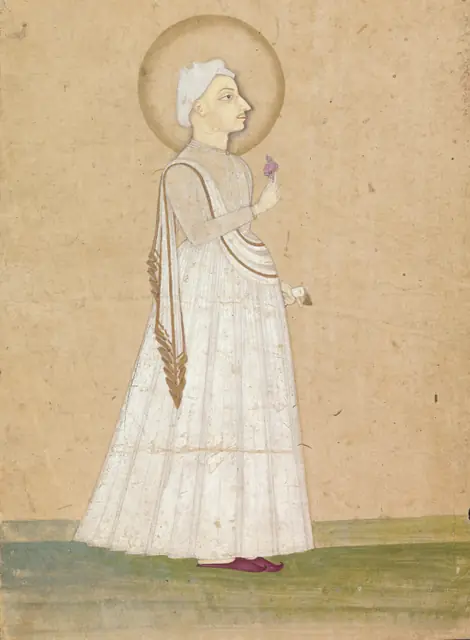
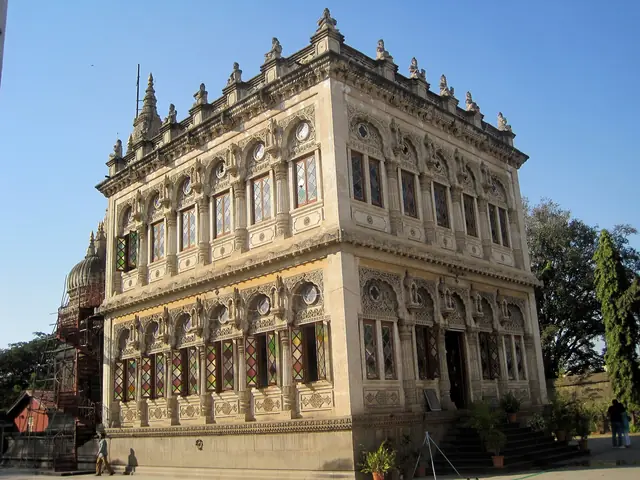
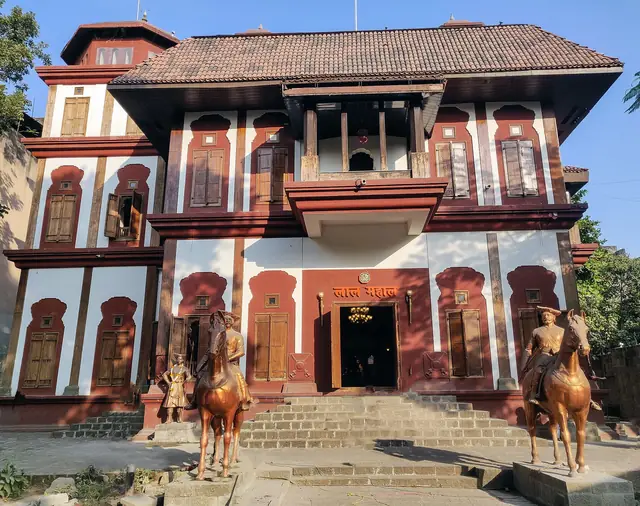
The Peshwas were devotees of Ganesh, and Theur was close to Pune. Madhavrao I, who became Peshwa at sixteen after Panipat and rebuilt Maratha power in eleven years, came here often and gave the temple its wooden sabhamandapa. Wasted by tuberculosis, he had himself carried to Theur in his last illness and died here on 18 November 1772, aged twenty-seven. His wife Ramabai became sati on his pyre beside the river. Grant Duff wrote that the plains of Panipat were not more fatal to the Maratha empire than the early end of this prince.
The life of this place
- 18 November 1772Peshwa Madhavrao I died at Theur; Ramabai became sati.
About 25 km east of Pune off the Solapur road; Ganesh Chaturthi and the Magha festival bring the largest crowds.