01The meeting at Ramanathapuram
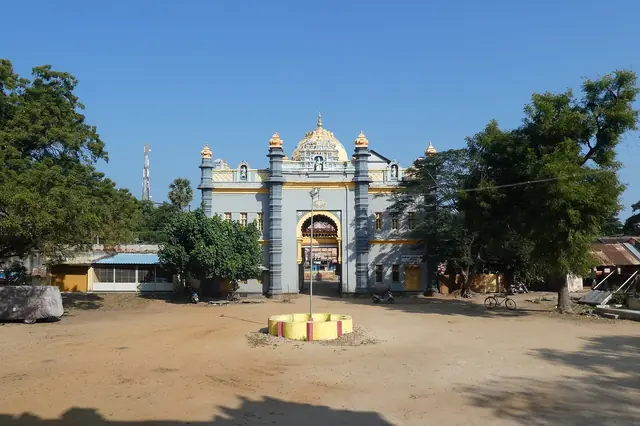
He belonged to a Telugu-speaking Kambalathar family that had held Panchalankurichi near Thoothukudi for generations, and became its chief in 1790. The Company had taken over the right to collect tribute from the palaiyakkarars in place of the Nawab of Arcot, and Kattabomman fell into arrears. In September 1798 the Collector, William Jackson, summoned him to Ramanathapuram. The meeting broke down in anger. As Kattabomman left, there was a scuffle at the fort gate, and the Company lieutenant Clarke was killed. A later inquiry found Jackson at fault and he was removed.
02Panchalankurichi and Kayathar
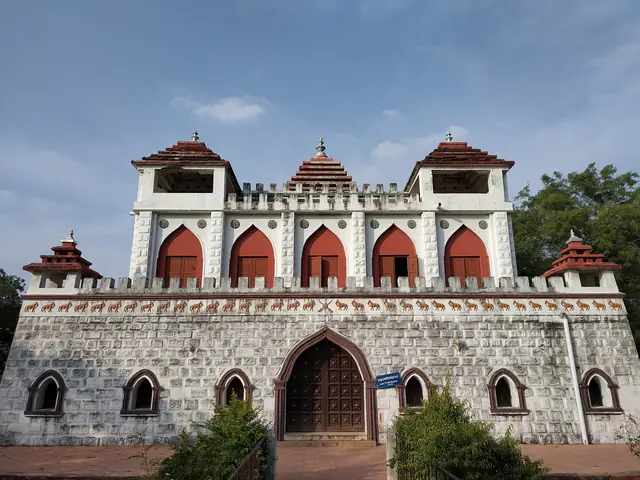
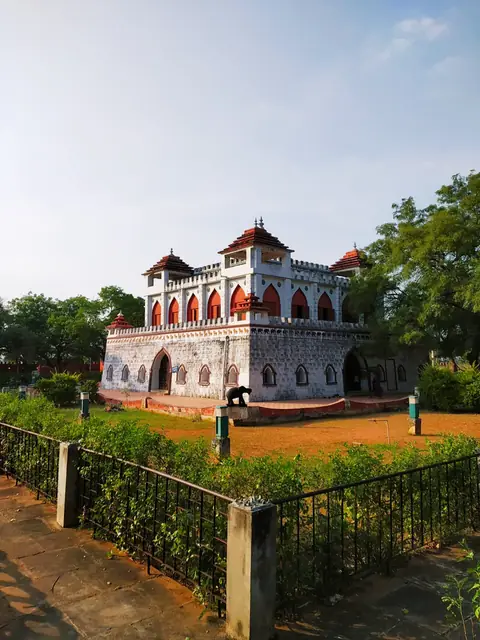
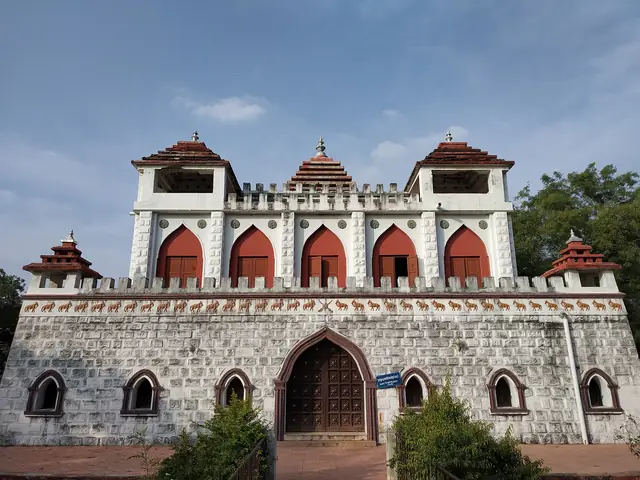
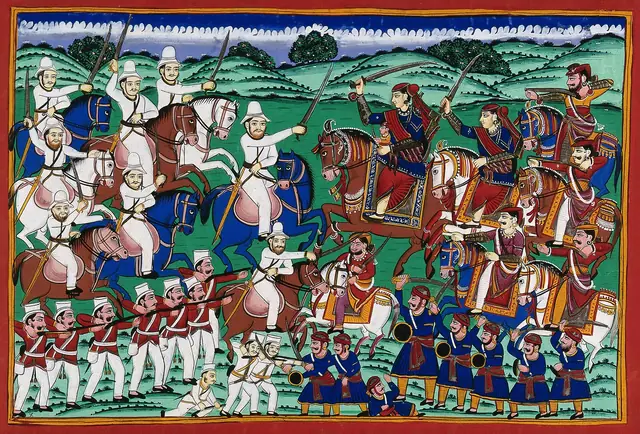
Kattabomman still would not submit, and he drew neighbouring chiefs to his side. In September 1799 Major Bannerman brought troops and guns to Panchalankurichi. The first assault was beaten off; the defenders then slipped out of the fort at night. Kattabomman was taken in the Pudukottai country and handed over. Bannerman called the chiefs of the district to Kayathar, held a short trial, and on 16 October 1799 had him hanged. The fort was razed and the land ploughed. His brother Oomaithurai broke out of prison in 1801 and carried on the war.