01Bhoja’s lake
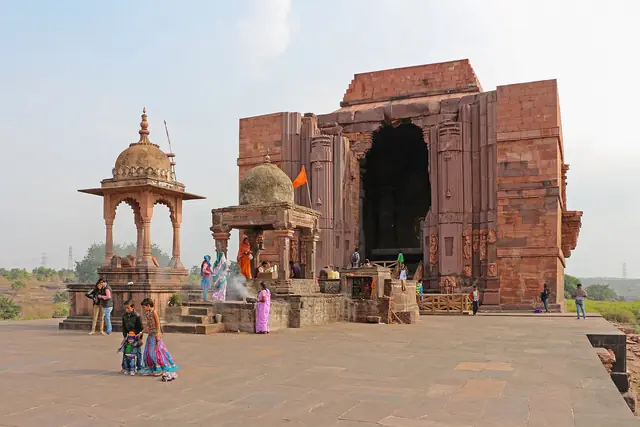
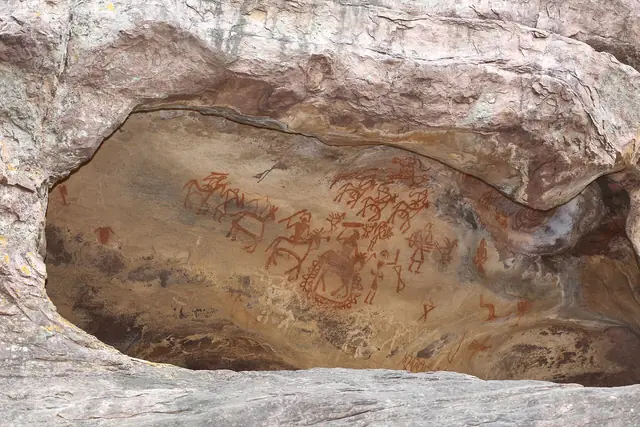
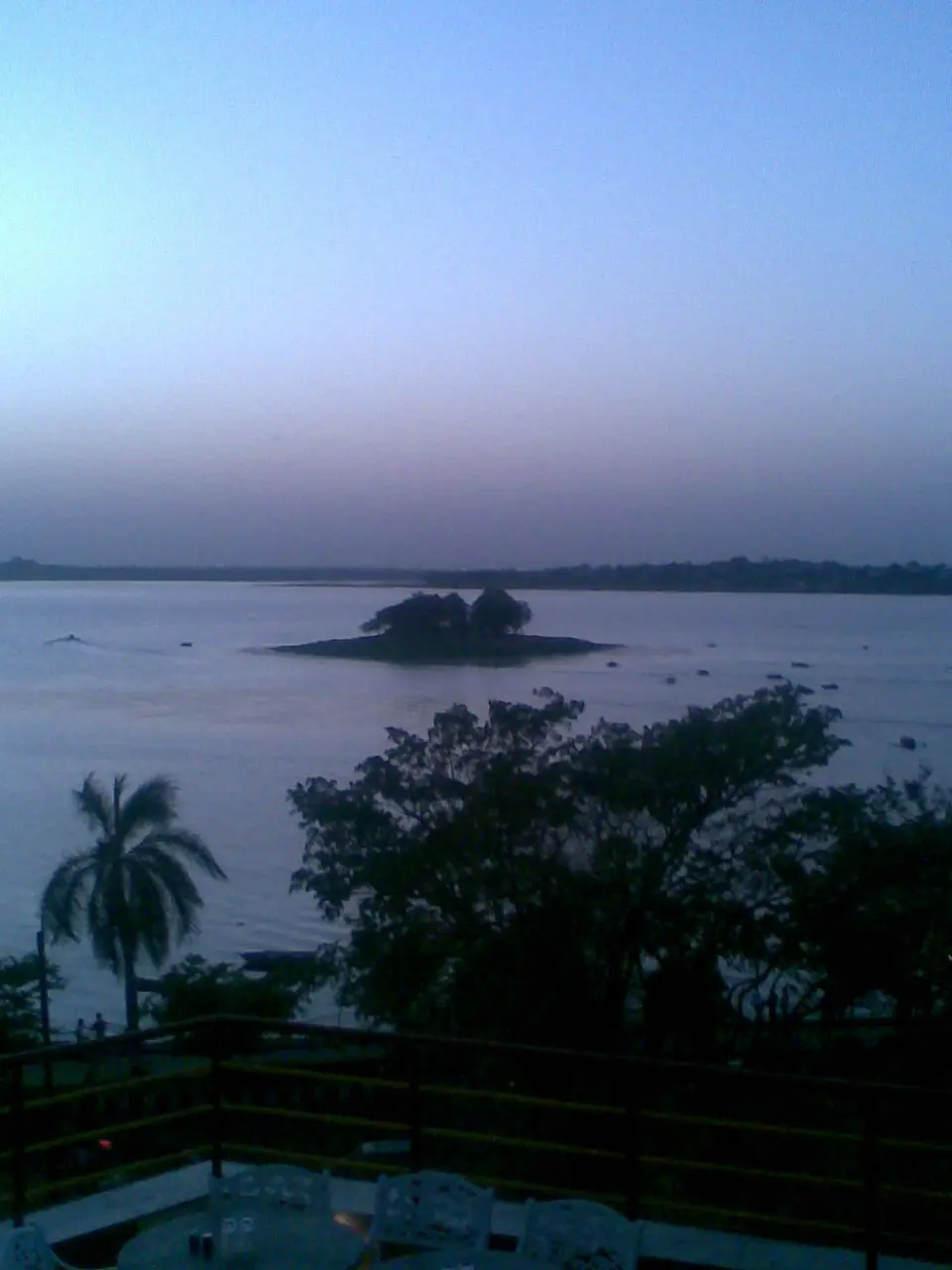
The Upper Lake, Bhojtal, was made by damming the Kolans river, and tradition credits the work to the Paramara king Bhoja of Dhar in the 11th century, giving the city its old name Bhojpal, Bhoja’s dam. His great unfinished Shiva temple at Bhojpur stands 28 km to the south-east, and the painted rock shelters of Bhimbetka lie beyond it. In the early 18th century Dost Mohammad Khan, an Afghan soldier in Mughal service, seized the area and built a fort; his line, and from 1819 to 1926 a succession of four Begums, ruled the princely state of Bhopal until it joined India in 1949.
02Bajirao at Bhopal
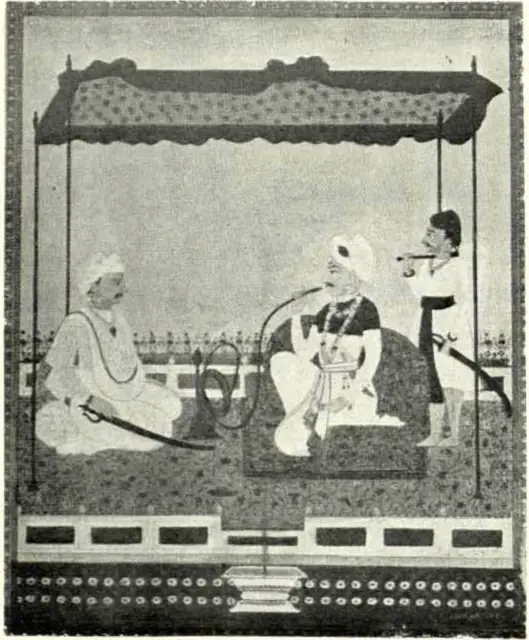
In 1737, after Bajirao’s ride to the gates of Delhi, the Mughal emperor called the Nizam north to crush him. The Nizam came into Malwa with a large army and guns and halted at Bhopal. Bajirao surrounded him there in December, cut off his supplies and let no grain through. After weeks of hunger the Nizam signed the convention of Durai Sarai on 7 January 1738, promising to get Malwa granted to the Marathas and to pay fifty lakh rupees for the costs of war. In 2011 a statue of Raja Bhoja was set up on a pedestal in the Upper Lake. On the night of 2–3 December 1984 gas leaking from the Union Carbide pesticide plant killed thousands in the old city.
The life of this place
- 11th century (tradition)Raja Bhoja’s dam creates the Upper Lake.
- 7 January 1738Surrounded at Bhopal, the Nizam signs the convention of Durai Sarai with Bajirao I.
- 1949Bhopal state joins the Indian Union.
- 2–3 December 1984The Bhopal gas disaster.