01Seven years against an emperor
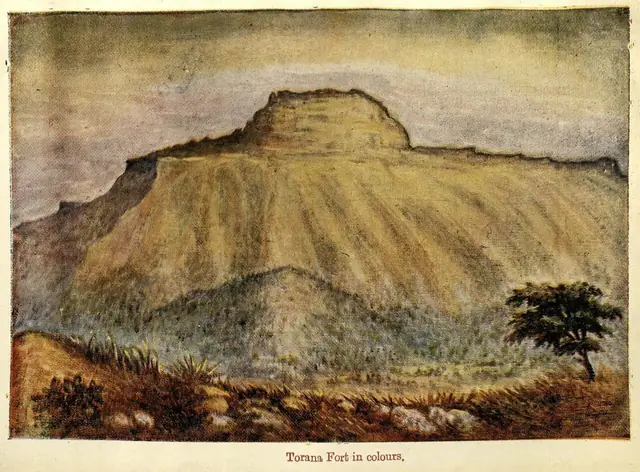
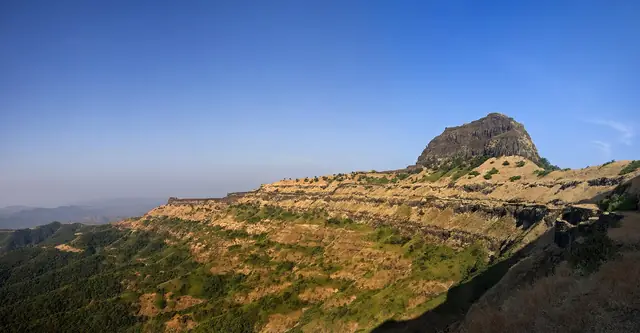
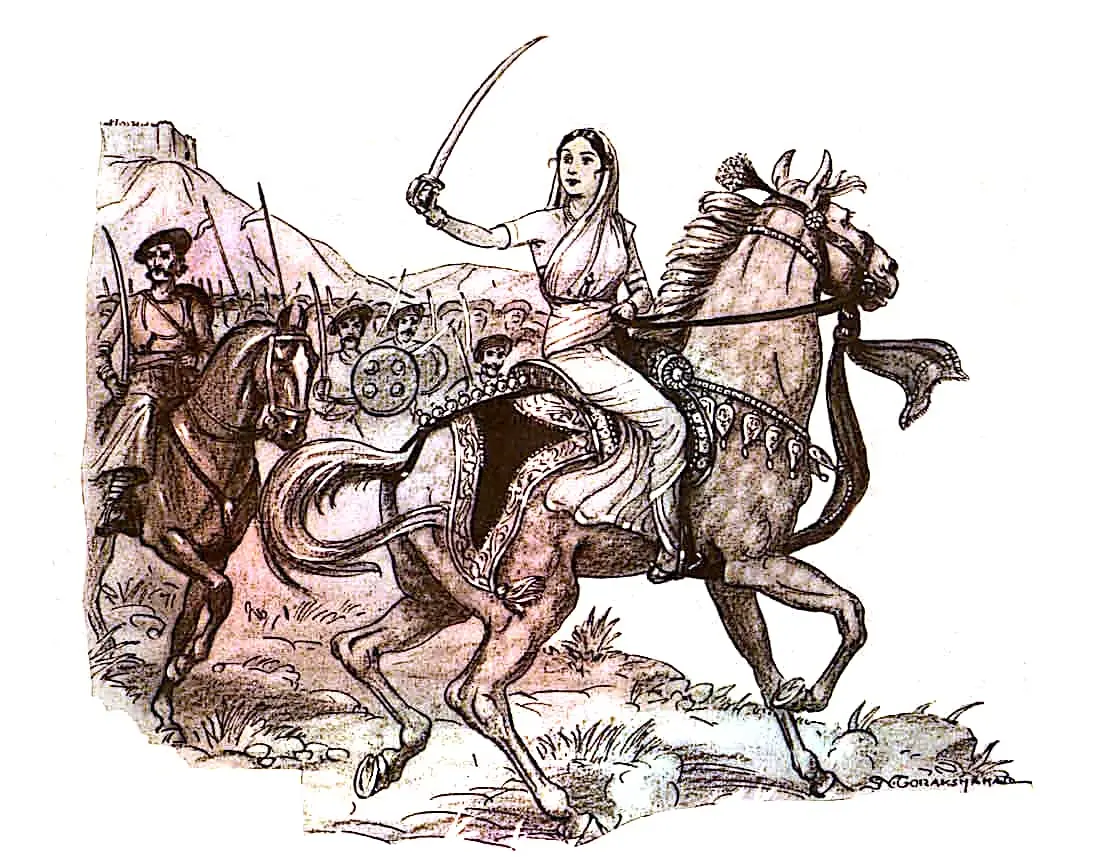
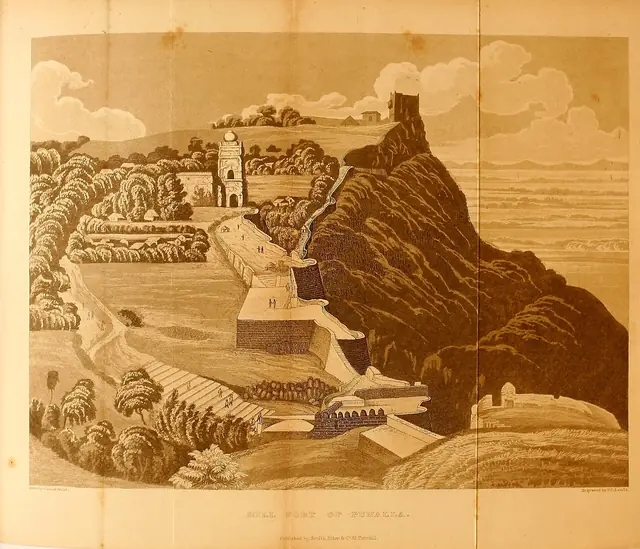
When Rajaram died in March 1700, Tarabai was about twenty-five. She had her son proclaimed as Shivaji II and took the government into her own hands. Aurangzeb was then besieging the Maratha forts one by one: Satara, Parli, Panhala, Vishalgad, Sinhagad, Rajgad, Torna. Each took months and much money, and many were bought back or retaken soon after. Tarabai moved her court from fort to fort, chose her own commanders, and sent the Maratha horse north across the Narmada into Malwa and Gujarat for the first time on a large scale. Even the Mughal chronicler Khafi Khan wrote of her skill in managing the army and the realm.
02Shahu’s return and Kolhapur
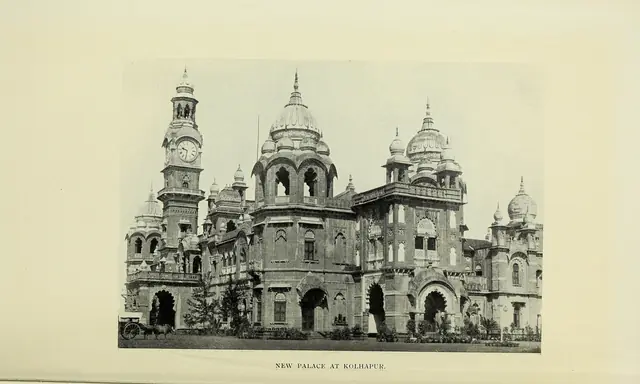
Aurangzeb died at Ahmednagar on 3 March 1707. The Mughals released Shahu, Sambhaji’s son, to split the Marathas, and it worked. Tarabai called him an impostor; the chiefs went over to him after the fight at Khed in October 1707, and Shahu was crowned at Satara in 1708. Tarabai held Panhala and set up her son’s separate court, the seat that became Kolhapur. In 1714 Rajasbai’s party put Sambhaji II on that throne and shut Tarabai and her son away.
03The old queen at Satara
Years later she came to live at Satara under Shahu’s roof. When the childless Shahu was dying in 1749, she put forward Ramaraja as her grandson, and he became Chhatrapati. Within a year she turned on him for siding with the Peshwa Balaji Bajirao, confined him in the fort, and fought the Peshwa’s men before a settlement in 1752. She died on 9 December 1761, in her eighties, a few months after the news of Panipat reached the Deccan.