01A young Peshwa
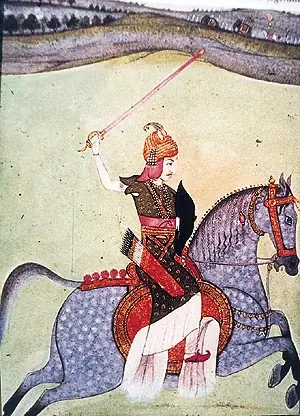
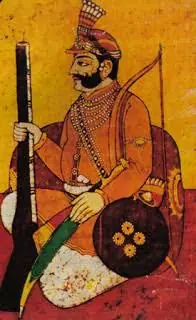
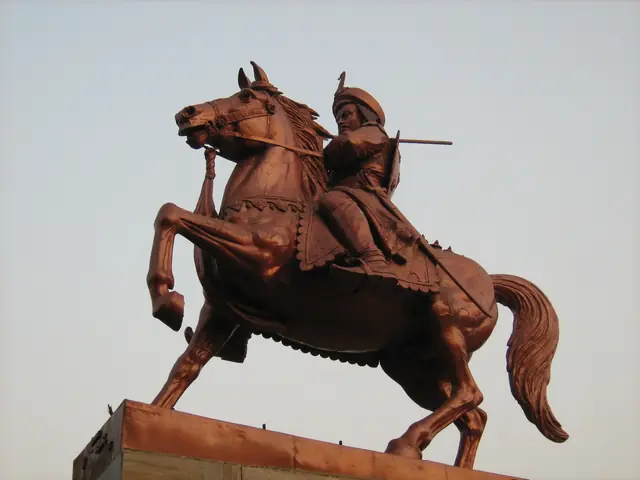
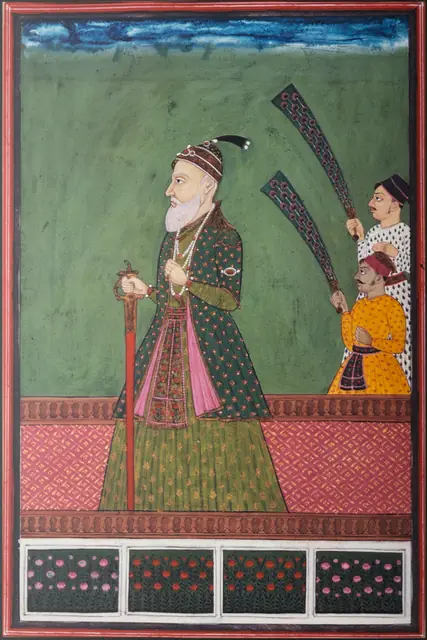
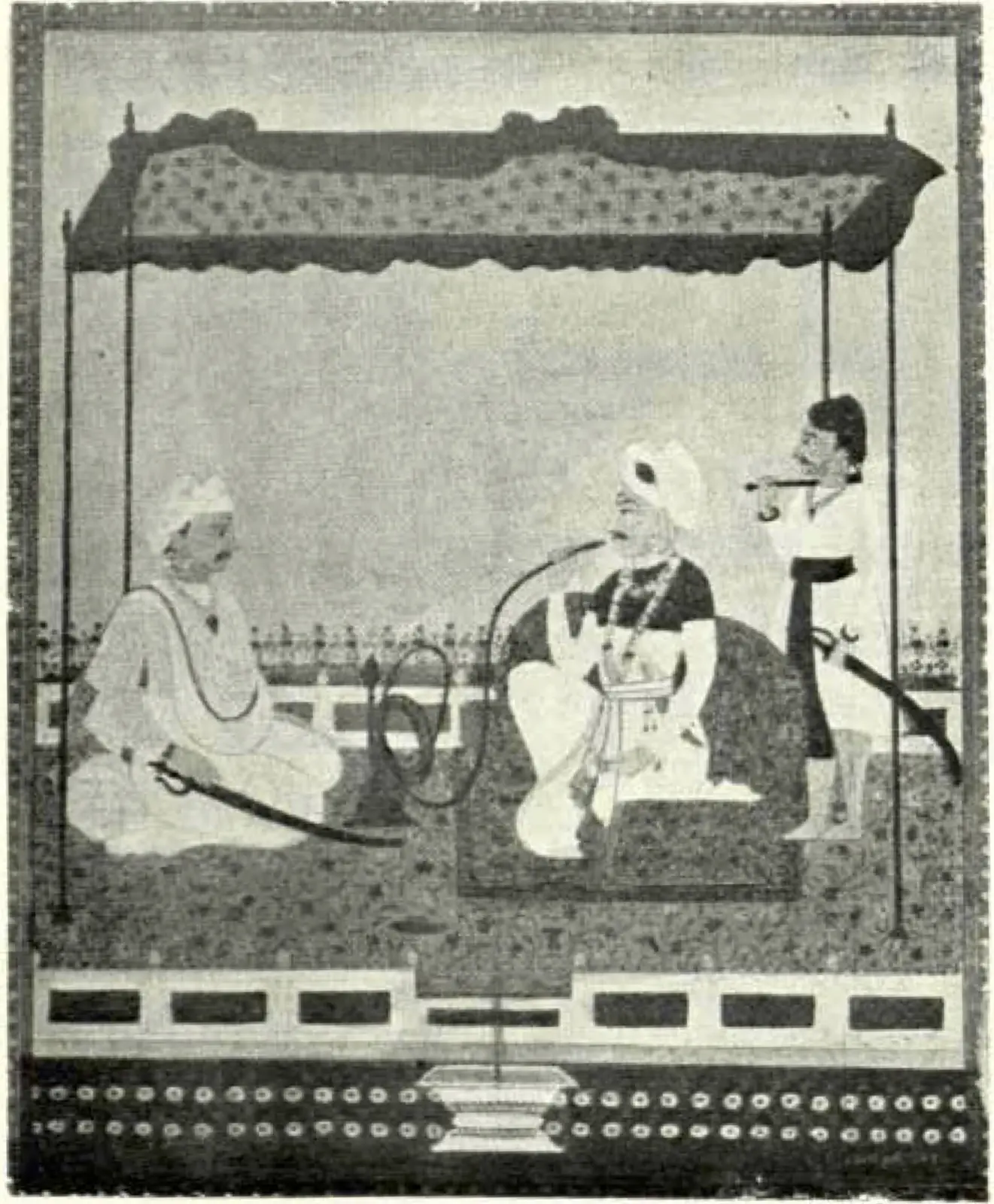
Bajirao was born on 18 August 1700, the elder son of Balaji Vishwanath, the first of the Bhat family to serve as Peshwa. He rode on his father’s campaigns as a boy, and went with him to Delhi in 1719. When Balaji Vishwanath died in 1720, Shahu passed over older, grander ministers and gave the robes of office to the son on 17 April 1720. Bajirao argued in the council that the Mughal tree should be struck at the trunk, not the branches. He meant the north.
02Palkhed and Bundelkhand
In 1727–28 Nizam-ul-Mulk, master of Hyderabad, marched on Pune. Bajirao did not meet him head on. He rode away into the Nizam’s own lands, burning and drawing him on, and then caught his heavy army in waterless country at Palkhed near Aurangabad in February 1728. The Nizam signed the Treaty of Mungi Shevgaon on 6 March. Field Marshal Montgomery later picked Palkhed out as a model of strategic mobility.
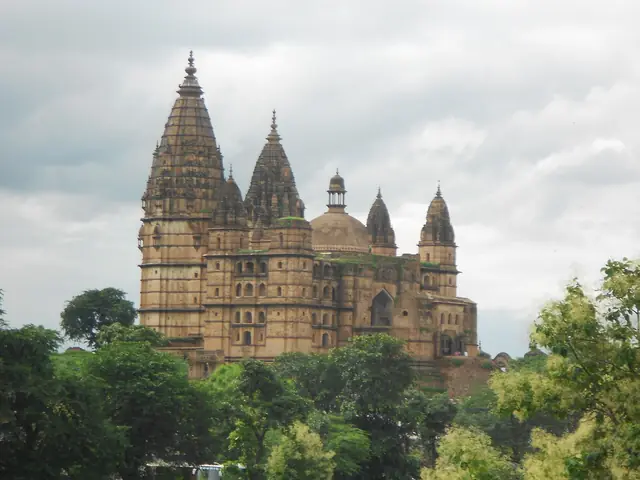
In 1729 Chhatrasal Bundela, old and besieged at Jaitpur by Muhammad Khan Bangash, wrote to Bajirao for help. Bajirao came at speed and broke the siege. The grateful king gave him a third of his kingdom.

03Delhi, Bhopal, the Narmada
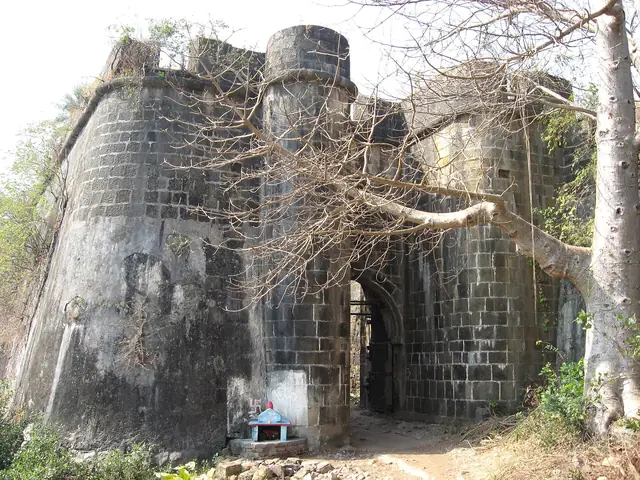
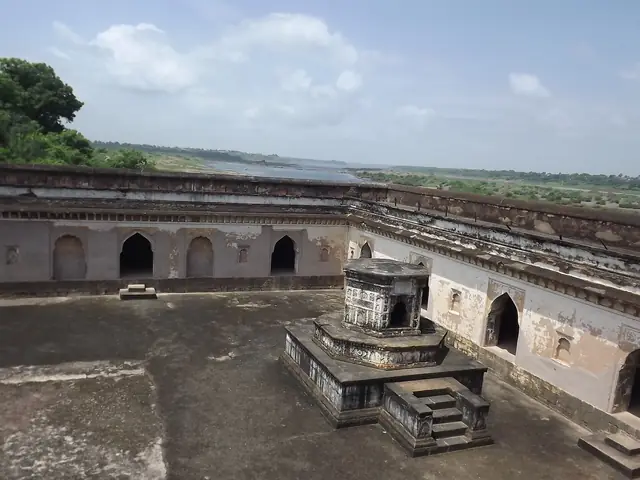
In March 1737, while a Mughal army looked for him in the Doab, Bajirao turned and rode for Delhi, appearing at its outskirts and beating a force sent out against him before he withdrew. The emperor called in the Nizam. Bajirao surrounded him at Bhopal that winter, and by the convention of Durai Sarai in January 1738 the Nizam promised Malwa to the Marathas. In 1739 his brother Chimaji Appa took Vasai from the Portuguese. Bajirao died of a fever at Raverkhedi on the Narmada on 28 April 1740, not yet forty; his samadhi stands there on the river bank.