01The last camp
After the peace of Rajghat on the Beas in December 1805, Yashwantrao came back to Malwa with most of his lands restored, but he was not reconciled to British power. He made Bhanpura, near the Chambal ravines, his base, and began casting cannon there for the next war. John Malcolm, who knew his officers, records that from about 1808 the strain of loss and drink broke his mind, and his ministers governed in his name. He died at Bhanpura on 28 October 1811, aged about thirty-five. His young son Malhar Rao II was defeated by the British at Mahidpur in December 1817.
02Chhatri and Hinglajgarh
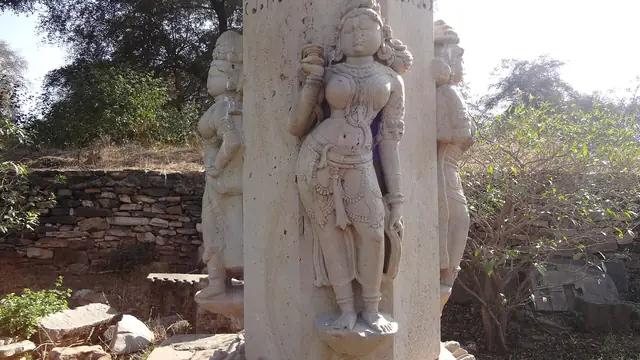
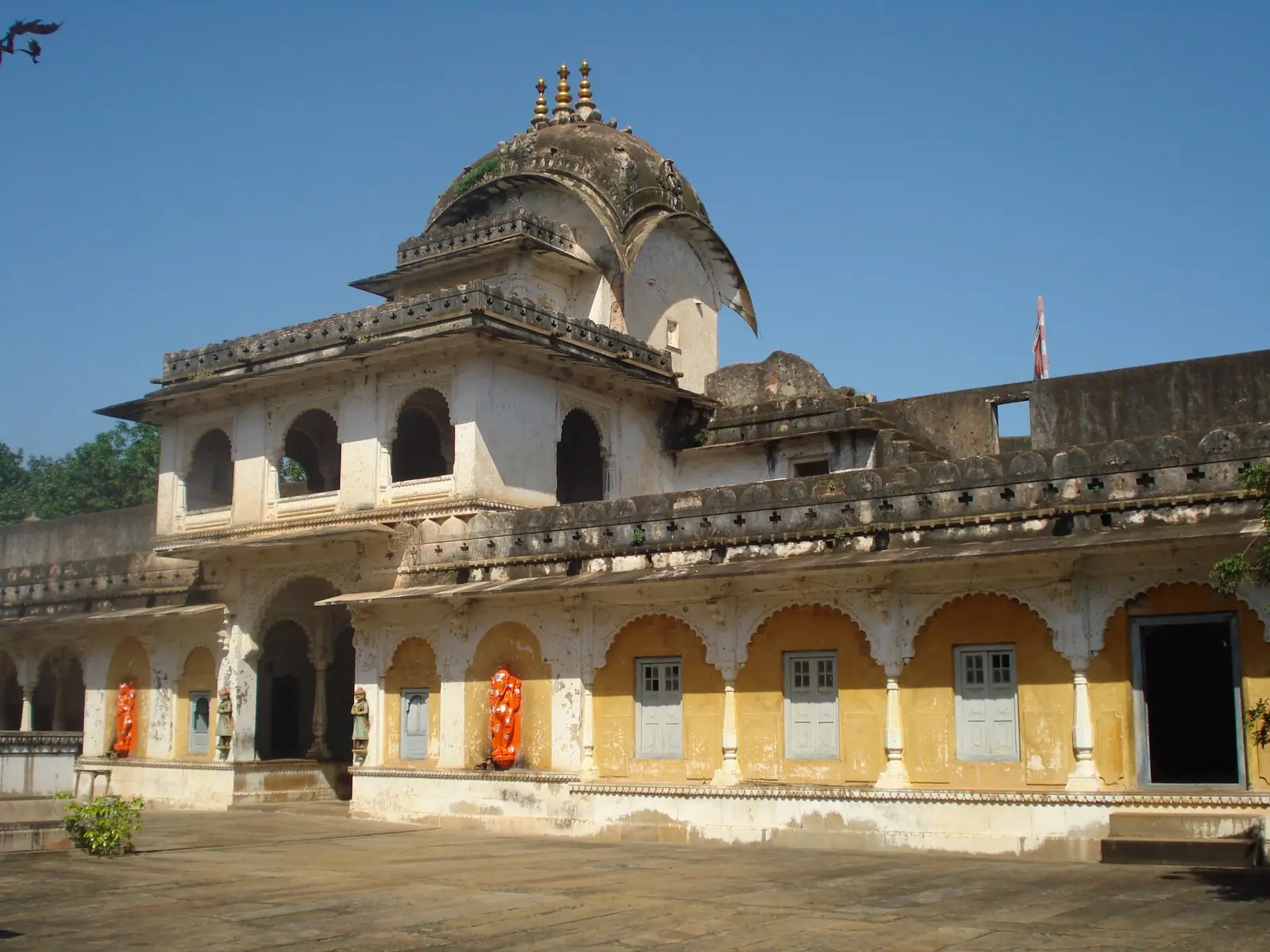
The chhatri over his cremation place is built like a temple, on a high plinth, with a sanctum holding a standing statue of Yashwantrao in Maratha dress and turban; worship is offered to it. The Holkar state looked after it until 1948. About 25 km south, in the forests above the Gandhi Sagar reservoir, stands Hinglajgarh, a hill fort with a temple of Hinglaj Mata, from whose ruins have come some of the finest Paramara-period sculptures of Malwa, now in the museums at Indore and Bhopal.
The life of this place
- 24 December 1805Treaty of Rajghat; Yashwantrao returns to Malwa and settles at Bhanpura.
- 28 October 1811Yashwantrao Holkar dies at Bhanpura; his chhatri is raised here.