01Gond town, Bhonsle capital
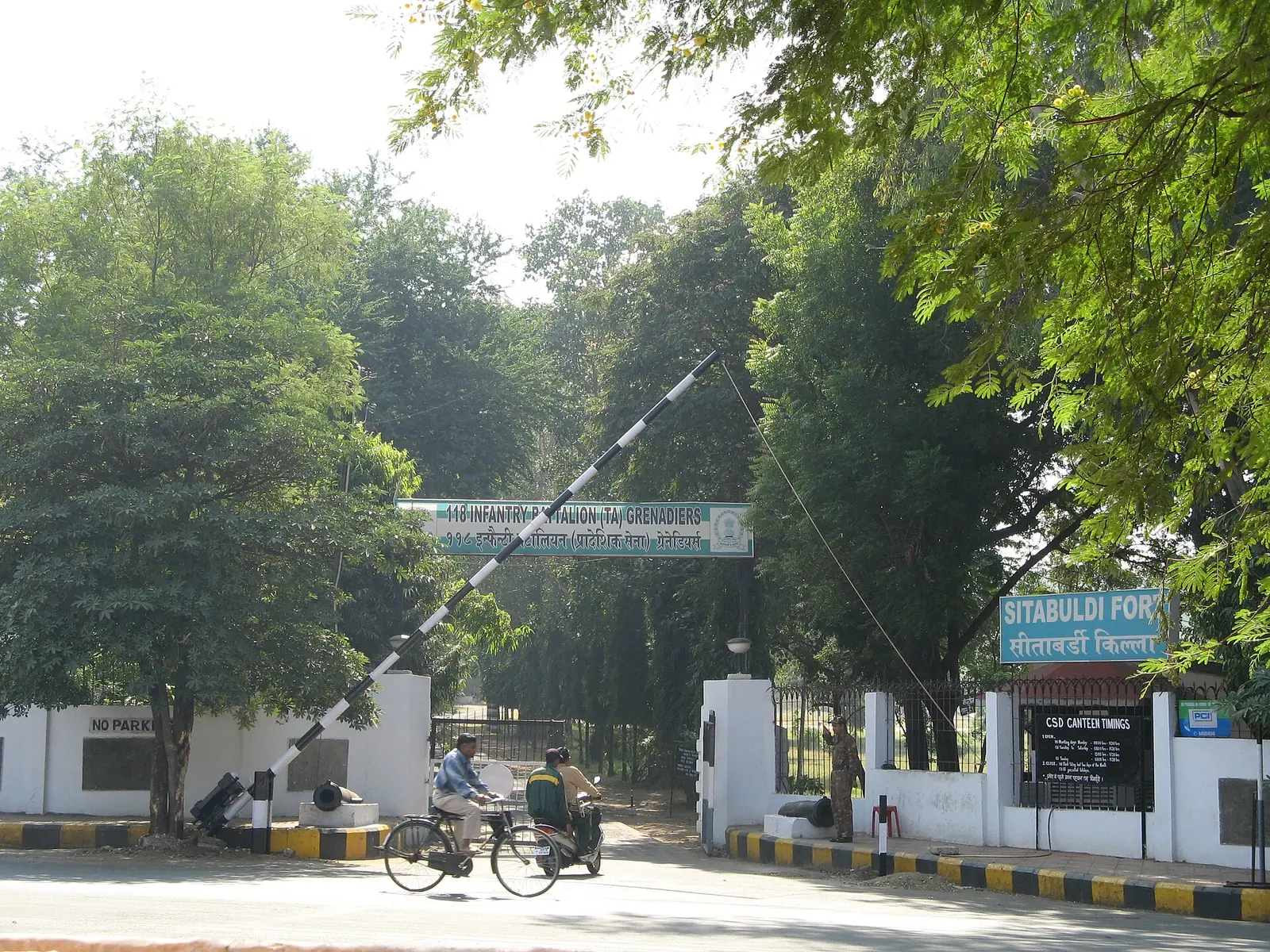
Bakht Buland Shah of the Gond kingdom of Deogarh gathered several hamlets on the Nag into a town around 1702 and gave it walls. In the succession quarrels of his house, Raghuji Bhonsle was called in, and by the 1740s Nagpur was his. From here Raghuji’s armies raided Bengal year after year until Alivardi Khan ceded Odisha’s revenues in 1751. The Bhonsles kept Nagpur for a century. In November 1817 Appa Saheb Bhonsle’s troops attacked the British Residency on Sitabuldi hill and were beaten off on 26–27 November; the kingdom survived as a dependent state. When Raghuji III died without a son in 1853, Dalhousie annexed it.
02Sangh and Deekshabhoomi
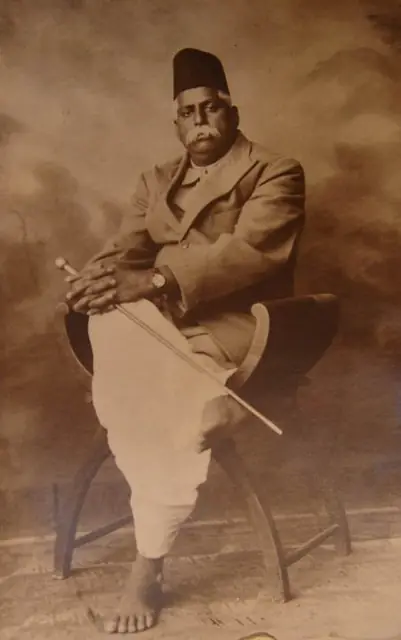
Nagpur was the capital of the Central Provinces from 1861. On Vijayadashami in 1925, 27 September, Dr Keshav Baliram Hedgewar gathered a handful of young men in Nagpur and founded the Rashtriya Swayamsevak Sangh; the daily shakha began here, and the Sangh’s headquarters and Hedgewar’s memorial at Reshimbagh are still in the city. On 14 October 1956 Dr B. R. Ambedkar took the Buddhist diksha at Deekshabhoomi with several lakh followers, and he died seven weeks later. The city is also the geographic centre of the country; the Zero Mile stone of British survey stands near the Vidhan Bhavan.
The life of this place
- c. 1702Bakht Buland Shah of Deogarh founds Nagpur.
- 1740sRaghuji Bhonsle makes Nagpur the capital of his kingdom.
- 26–27 November 1817Battle of Sitabuldi; Appa Saheb’s attack on the Residency fails.
- 1853The Company annexes the Nagpur kingdom on the death of Raghuji III.
- 27 September 1925Dr K. B. Hedgewar founds the RSS at Nagpur on Vijayadashami.
- 14 October 1956Dr B. R. Ambedkar takes Buddhist diksha at Deekshabhoomi.