01Gorkha
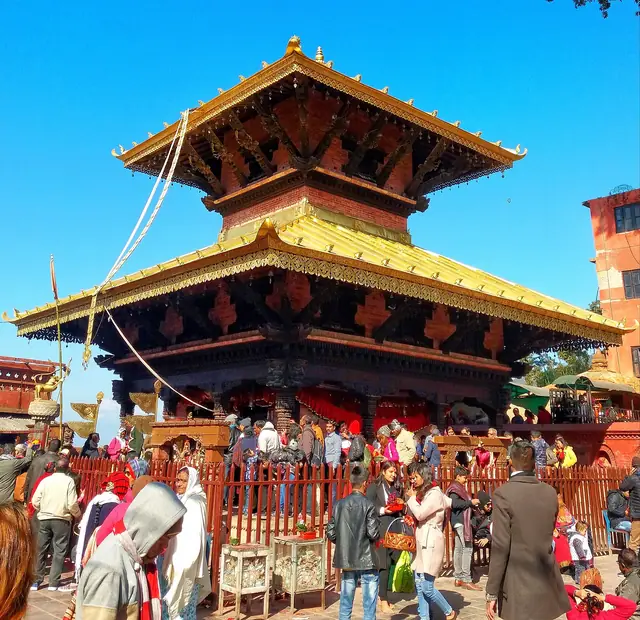
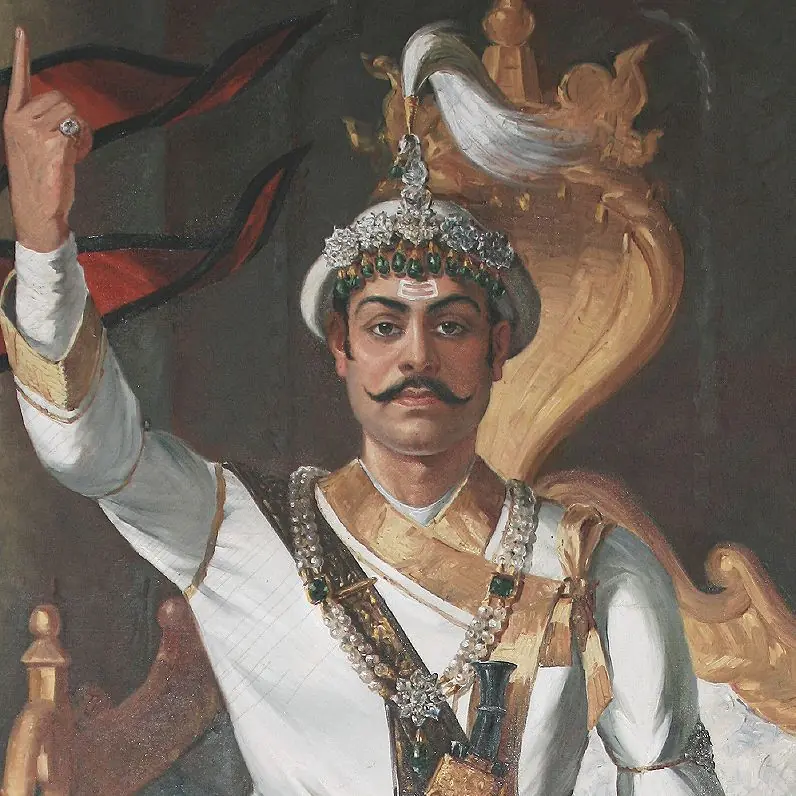
Dravya Shah took the small hill state of Gorkha in 1559. The family named their soldiers after Guru Gorakhnath, whose cave lies below the Gorkha palace. Ram Shah, early in the 17th century, was remembered for his fair laws. Two centuries of hill politics later, Prithvi Narayan Shah came to the throne in 1743 with a plan to take the rich Kathmandu valley.
02Prithvi Narayan Shah
He took Nuwakot in 1744, then cut the valley’s trade routes and starved it for years. Kirtipur fell in 1767. On the day of Indra Jatra in 1768 his troops entered Kathmandu; Patan followed, and Bhaktapur in 1769. In his Dibya Upadesh, dictated near the end of his life, he called Nepal a garden of all castes and races and warned against the East India Company: deal with them as friends, but never let them into the hills. He died in 1775.
03War with the Company and the Rana century
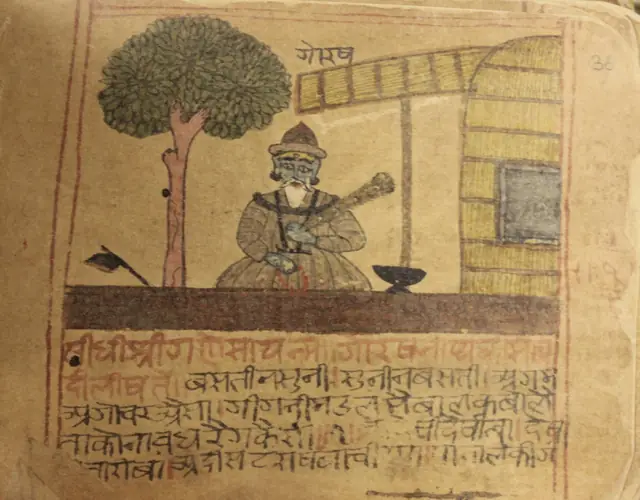
Gorkhali armies pushed west to the Sutlej and fought the East India Company in 1814–16. The Treaty of Sugauli of 1816 took away Kumaon, Garhwal and the land beyond the Kali, but Nepal kept its independence. In 1846, after the Kot massacre, Jung Bahadur Kunwar seized power and founded the hereditary Rana prime ministership; for a century the Shah kings reigned without ruling. King Tribhuvan fled to India in 1950 and returned in 1951, when Rana rule ended.
04The end of the monarchy
On 1 June 2001 King Birendra, Queen Aishwarya and much of the royal family were shot dead inside Narayanhiti palace; the official inquiry named Crown Prince Dipendra. Gyanendra, Birendra’s brother, became king. After the people’s movement of 2006 the parliament declared Nepal secular, and on 28 May 2008 the Constituent Assembly abolished the monarchy. The Shah kings had been the last Hindu monarchs on earth.
The rulers
- 1Dravya ShahFounded the Gorkha kingdom1559–1570
- 2Ram ShahRemembered for just laws1606–1636
- 3Prithvi Narayan ShahUnified Nepal; took Kathmandu 17681743–1775
- 4Pratap Singh Shah1775–1777
- 5Rana Bahadur Shah1777–1799
- 6Girvan Yuddha Bikram ShahWar with the Company; Sugauli1799–1816
- 7Rajendra Bikram Shah1816–1847
- 8Surendra Bikram ShahReigned under Jung Bahadur Rana1847–1881
- 9Prithvi Bir Bikram Shah1881–1911
- 10TribhuvanEnded Rana rule, 19511911–1955
- 11Mahendra1955–1972
- 12BirendraKilled in the palace massacre1972–2001
- 13GyanendraLast king of Nepal2001–2008
What they left
- The unified state of Nepal, never colonised
- Gorkha Durbar and the Gorakhnath cave
- The Gorkha regiments of the Indian and British armies
- Prithvi Narayan Shah’s Dibya Upadesh