What it says
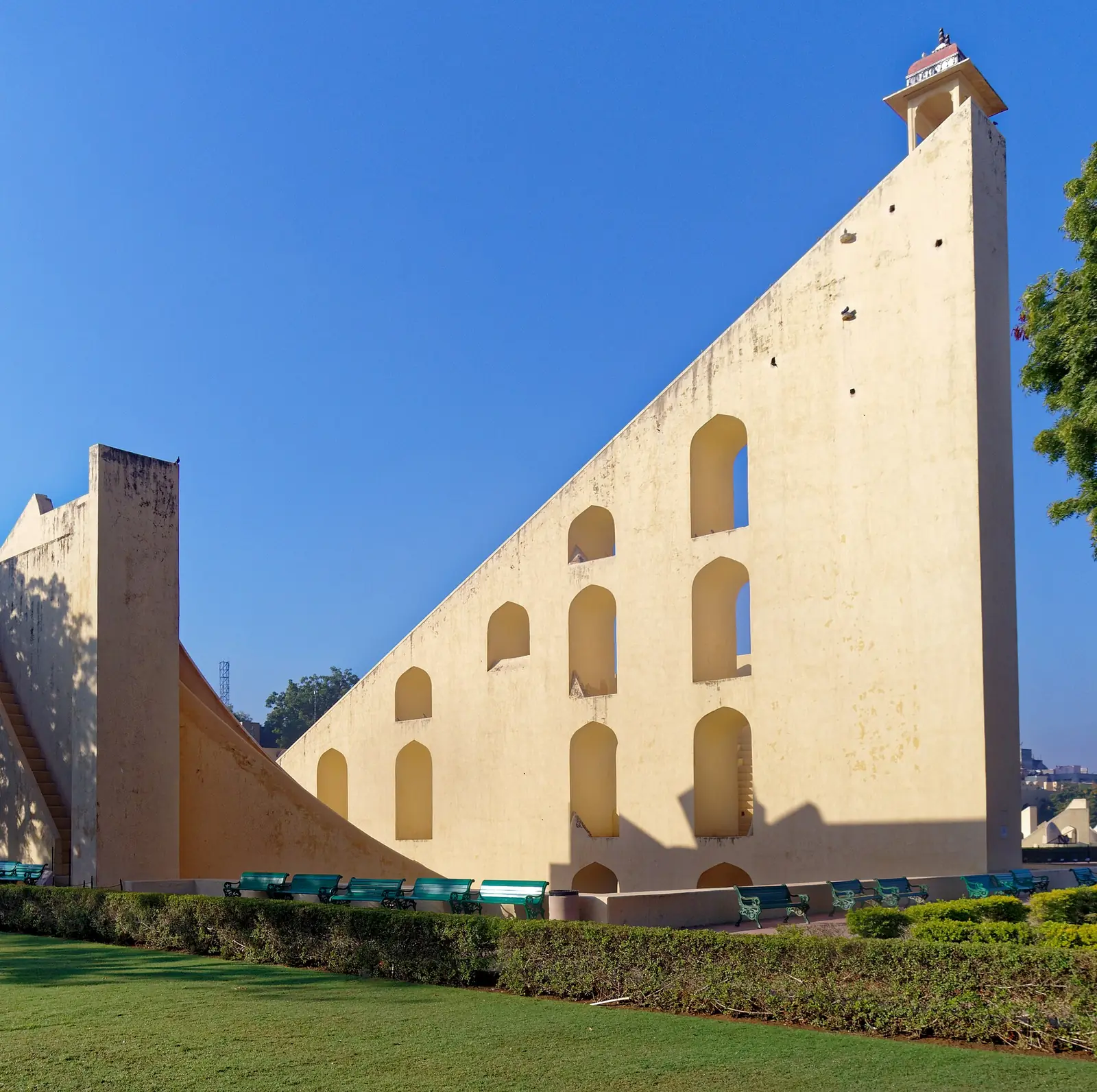
At Jaipur the Vrihat Samrat Yantra, a sundial about 27 m high, throws a shadow that moves across its quadrants fast enough to read local time to about two seconds. Other instruments, the Jai Prakash, Rama Yantra and Rashivalaya, measure altitude, azimuth and the signs of the zodiac. Jai Singh’s astronomers compiled the Zij-i Muhammad Shahi, a set of star tables, from these observations.
What it proves
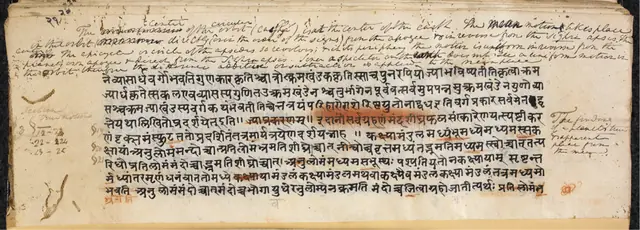
They carry the siddhanta tradition of Indian astronomy into the 18th century, built in stone by a Rajput king.