01Kashi and Tiruttani
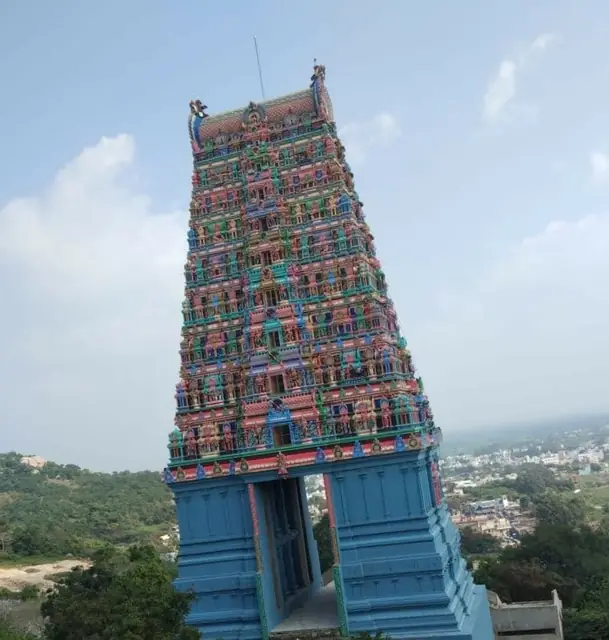
Born at Tiruvarur, the son of the musician Ramaswami Dikshitar, he went as a young man with the yogi Chidambaranatha to Kashi and lived there five years, learning Srividya upasana and hearing the music of the north. The family tradition says a veena rose from the Ganga into his hands when he left. At Tiruttani, Bhagwan Murugan as an old man put sugar candy in his mouth, and he sang his first kriti, “Shri Nathadi Guruguho jayati”, in Mayamalavagowla. Guruguha, a name of Murugan, became his signature.
02Navavarana and the last Deepavali
His kritis map the temples of the south: the Kamalamba Navavarana set for Devi at Tiruvarur, following the nine enclosures of the Sri Chakra; the Navagraha kritis, one for each planet; the Pancha Bhuta Linga kritis for the five elemental Shiva temples. He also set Sanskrit words to some forty English tunes he heard from the band at Fort St George, the nottuswarams. On Deepavali 1835 at Ettayapuram, he asked his disciples to sing his kriti “Meenakshi me mudam dehi” and left the body while they sang.