01The fort that held
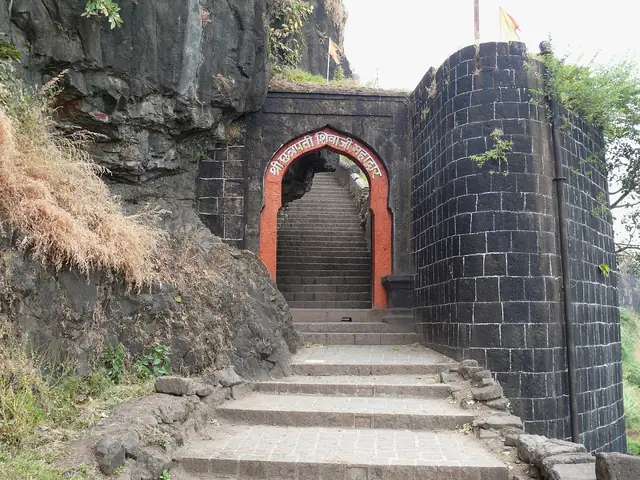
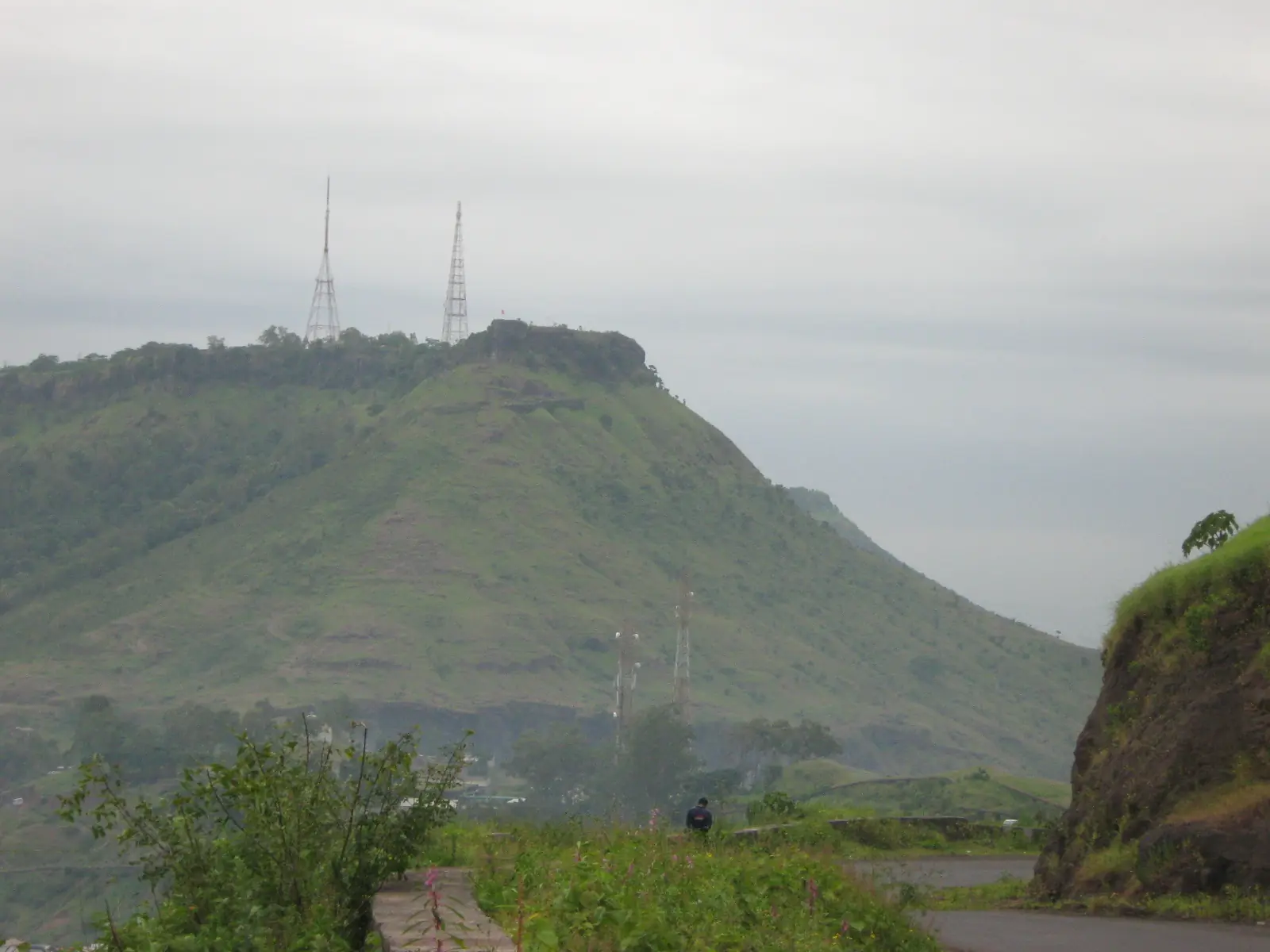
Ajinkyatara, the star that cannot be conquered, sits about 1,000 metres up over the town. Tradition gives it to the Shilahara king Bhoja II in the 12th century. Shivaji took it in 1673. When Aurangzeb came south to finish the Marathas he sat down before Satara in December 1699, and the garrison under Prayagji Prabhu held out for months before it gave the fort up in April 1700. The Mughals renamed it Azamtara after prince Azam. The Pratinidhi Parshuram Trimbak won it back in 1706, and the fort took the name it keeps today.
02Shahu’s capital
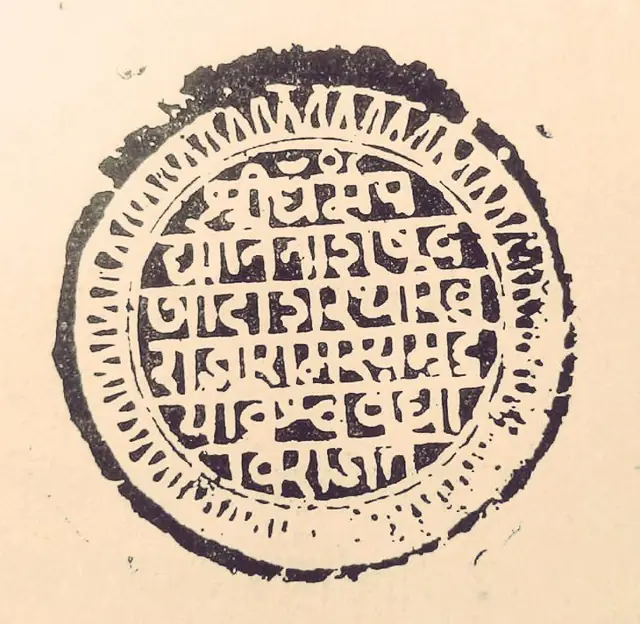
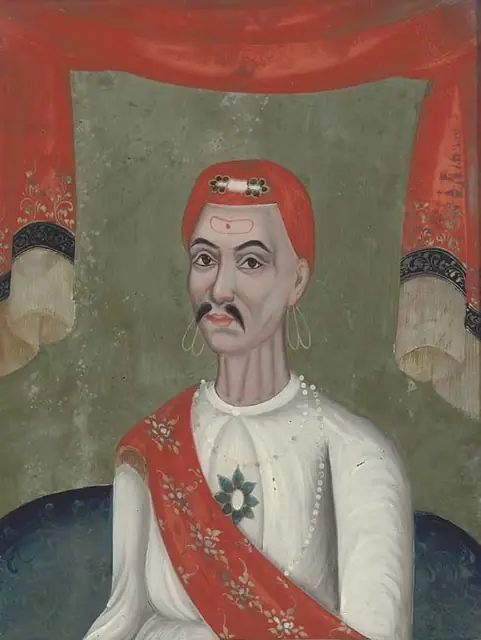
Shahu, Sambhaji’s son, grew up a captive in the Mughal camp and was let go after Aurangzeb died. He was crowned at Satara on 12 January 1708. From Satara he appointed Balaji Vishwanath Peshwa in 1713, and then Bajirao I in 1720; the real campaigning moved to Pune, but the Peshwas took their robes of office from the Chhatrapati at Satara. Shahu died here in December 1749. After 1818 the British set Pratapsinh Bhonsle on a small Satara throne, deposed him in 1839, and in 1848 annexed the state when his brother died without a natural son. The city museum keeps Maratha arms and papers.
The life of this place
- 1673Shivaji takes Satara fort from the Adil Shahis.
- December 1699 – April 1700Aurangzeb besieges Satara; the fort surrenders and is renamed Azamtara.
- 1706Parshuram Trimbak Pratinidhi recovers the fort for the Marathas.
- 12 January 1708Shahu is crowned at Satara, which becomes the Maratha capital.
- December 1749Chhatrapati Shahu dies at Satara.
- 1839The British depose Raja Pratapsinh of Satara.
- 1848Satara is annexed under Dalhousie’s doctrine of lapse.
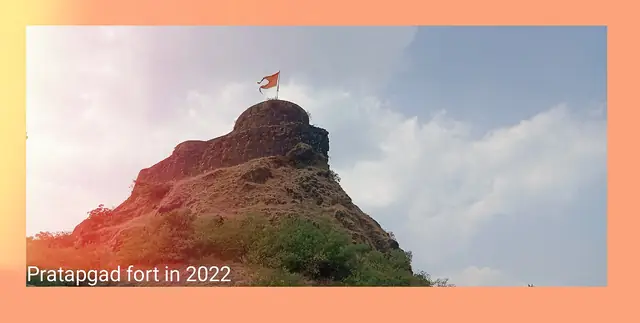
A motor road climbs to the gate of Ajinkyatara; go in the early morning for the view over the Krishna valley. Pratapgad and Mahabaleshwar are an hour and a half away.