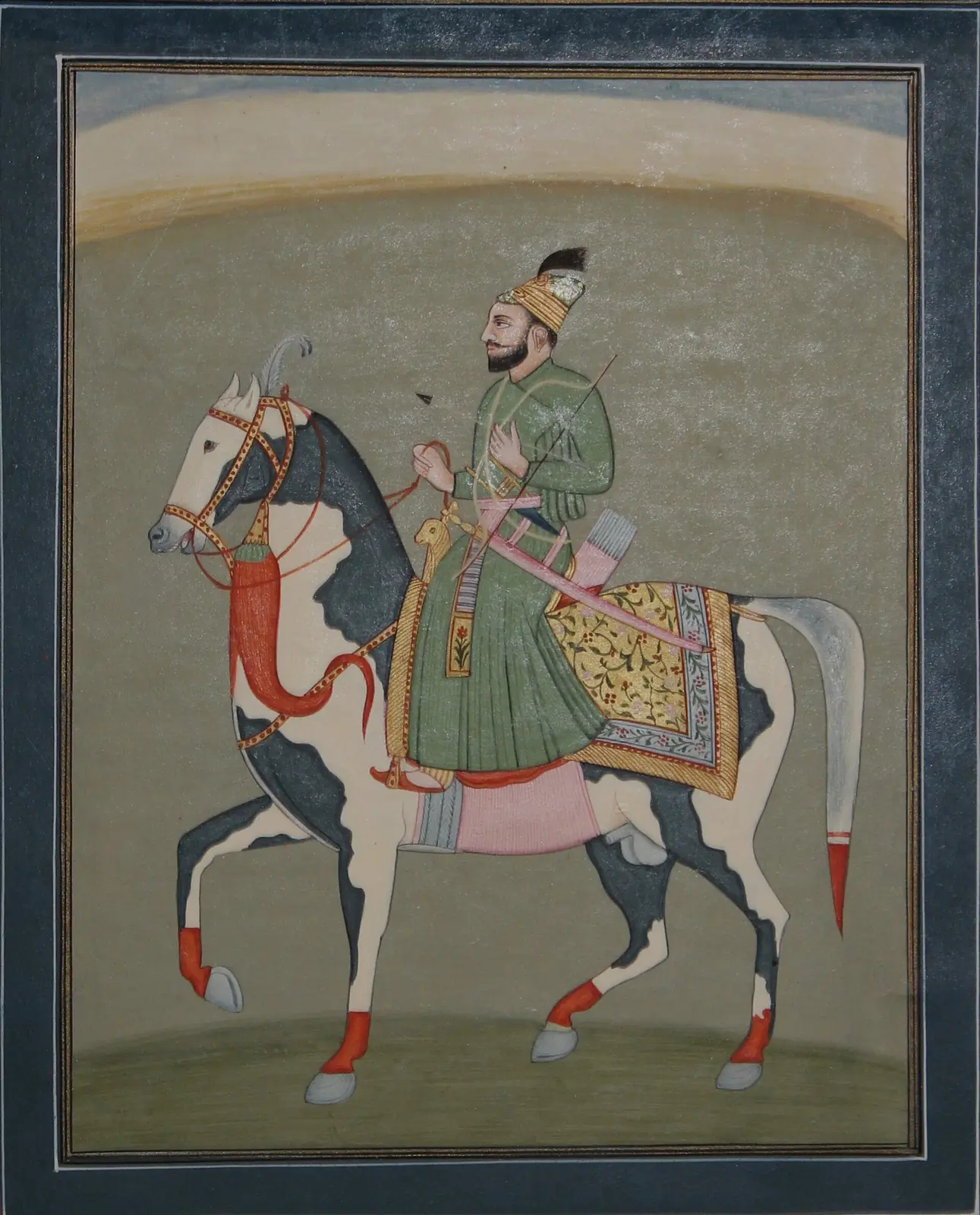
01Vaisakhi 1699
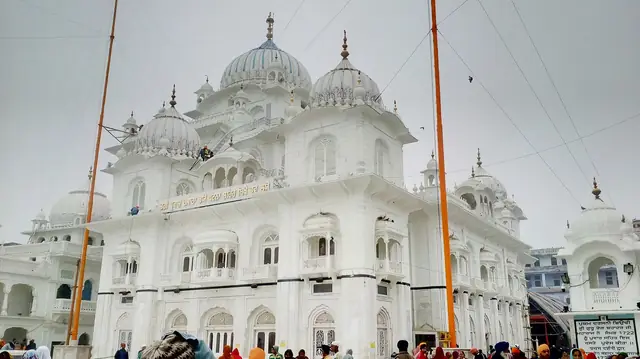
Born Gobind Das at Patna in December 1666, he grew up at Anandpur and wrote poetry in Braj and Persian. In 1688 he fought the hill rajas at Bhangani. On Vaisakhi 1699 he stood before the gathered Sikhs with a drawn sword and asked for a head. Five men rose one after another, Daya Ram, Dharam Das, Himmat Rai, Mohkam Chand and Sahib Chand, from different castes and regions. He gave them amrit stirred with a khanda, named them the Panj Pyare, and then knelt to take amrit from them. The Khalsa took the five Ks, and the men the name Singh.
02Chamkaur, Sirhind and Nanded
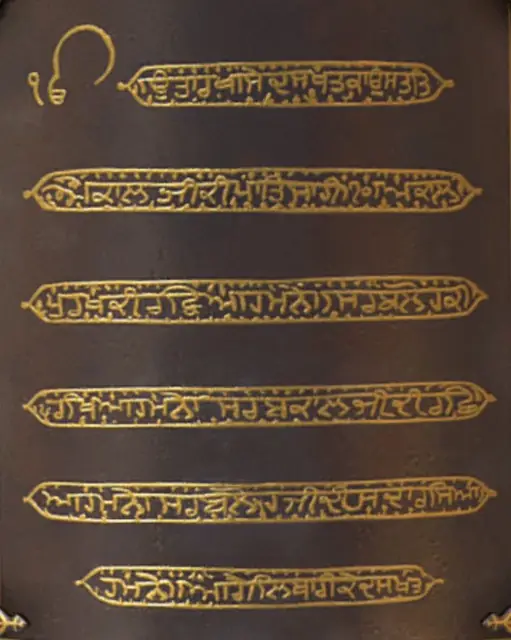
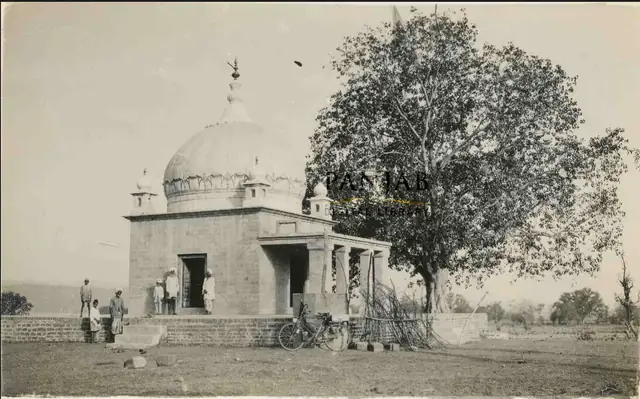
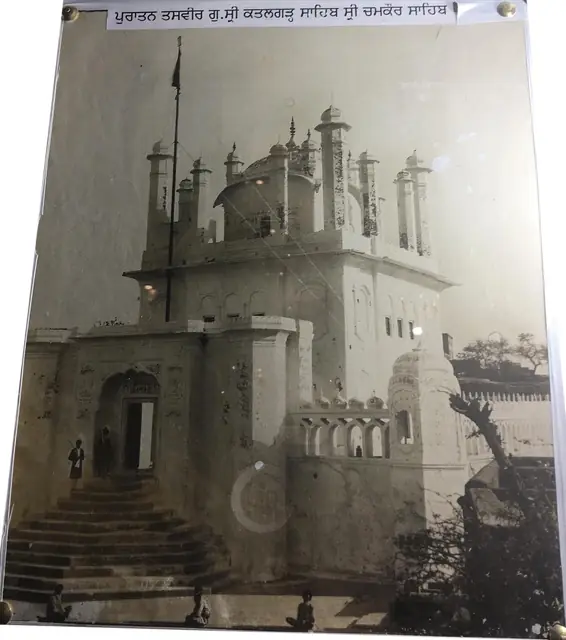
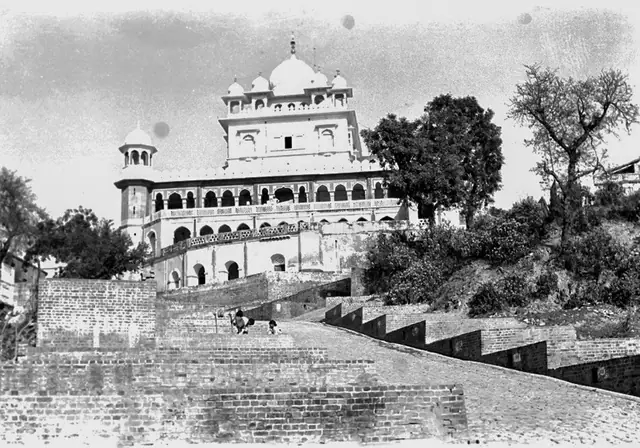
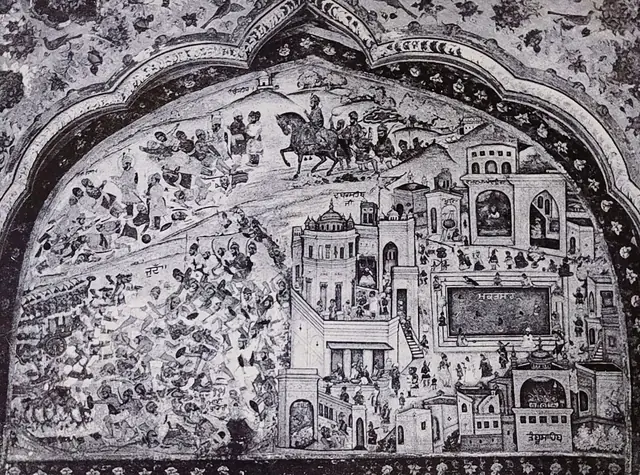
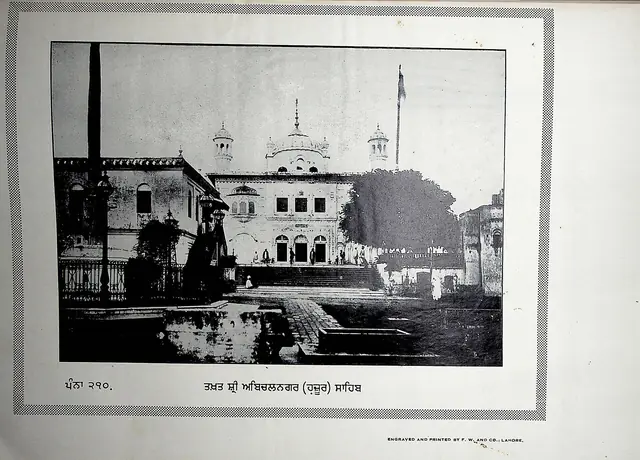
In December 1704, after a long siege and broken oaths of safe passage, the Guru left Anandpur. His elder sons Ajit Singh and Jujhar Singh fell fighting at Chamkaur. The younger sons, Zorawar Singh and Fateh Singh, aged about nine and six, were bricked up and executed at Sirhind on the orders of its governor Wazir Khan; their grandmother Mata Gujri died there. From the Malwa he sent Aurangzeb the Zafarnama, a letter of reproach in Persian verse. In 1708 at Nanded he met Banda Singh Bahadur and sent him north. Stabbed by an assassin, he died there in October 1708.
“When every other means has failed, it is right to take the sword in hand.”
Zafarnama of Guru Gobind Singh