01At the mouth of the Khyber
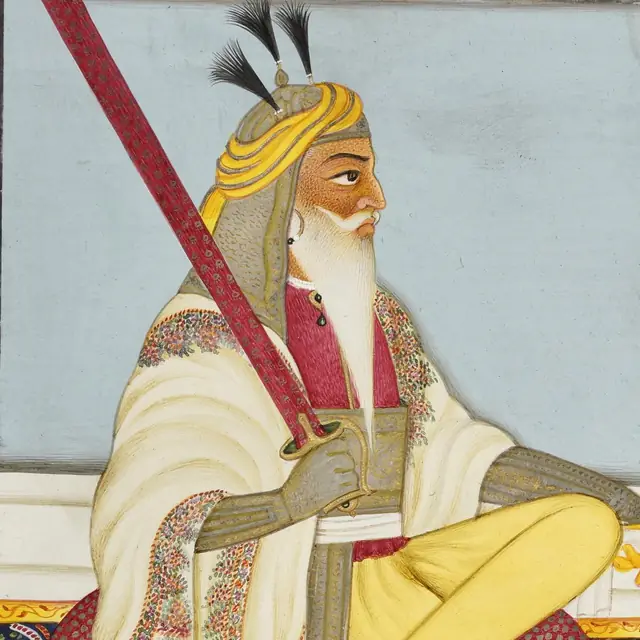
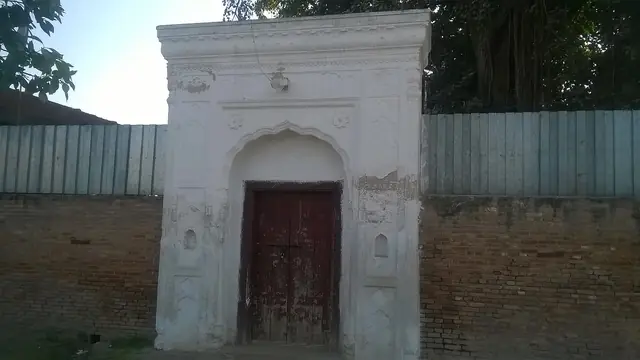
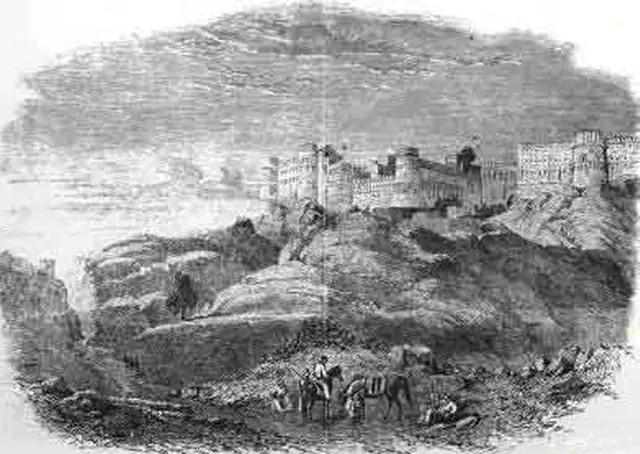
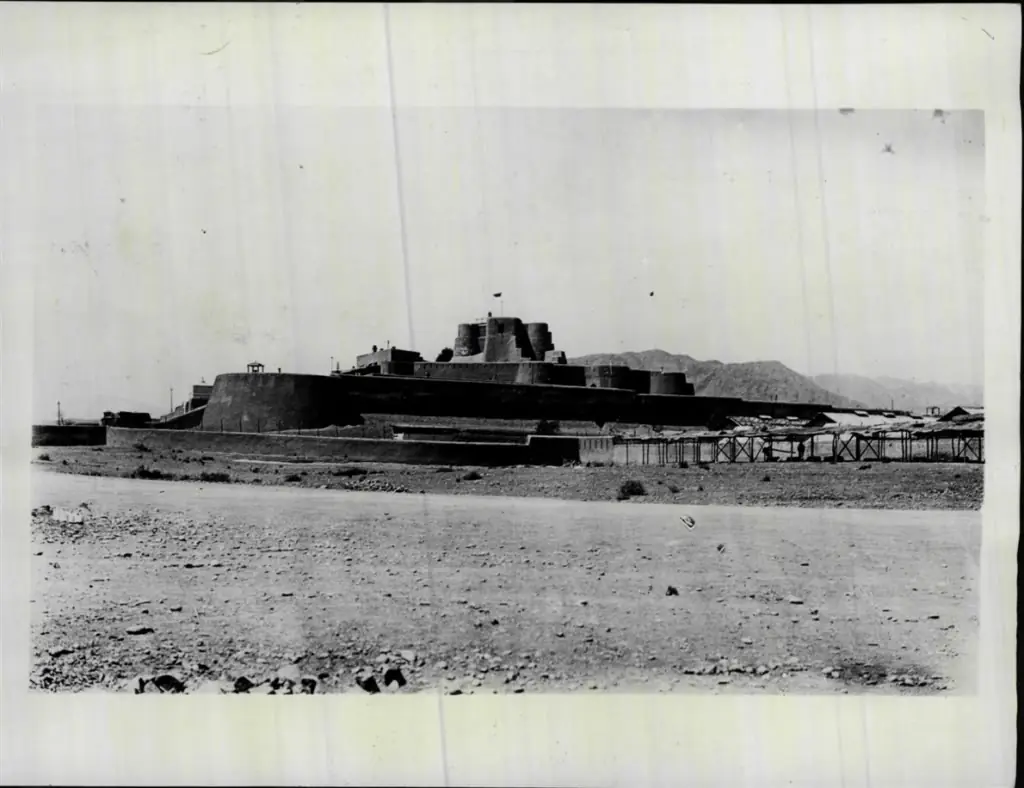
Ranjit Singh’s army took Peshawar in 1834, and Hari Singh Nalwa became its governor. To shut the Khyber against the Afghans of Kabul he occupied Jamrud in October 1836 and laid the foundation of a fort on 18 December 1836, against the advice of others at court. Walls about three metres thick went up in 54 days. He named it Fatehgarh, the fort of victory, and planted the Sikh flag at the mouth of the pass through which so many invasions had come. Long before, in December 1678, Maharaja Jaswant Singh of Marwar had died at Jamrud while holding this frontier in Mughal service.
0230 April 1837
In the spring of 1837 much of the Sikh army had gone to Lahore for the wedding of Prince Nau Nihal Singh. Learning that Jamrud was lightly held, Dost Muhammad Khan’s son Akbar Khan came down the pass with a large army and besieged it. Nalwa marched from Peshawar to relieve the garrison and fought the Afghans before the walls on 30 April 1837. He was mortally wounded, and asked that his death be kept hidden so the enemy would not take heart. The fort held until the reinforcements from Lahore arrived and the Afghans went back up the Khyber. Jamrud stayed in Sikh hands until the British took the Punjab, and the Pakistan army holds it today.
The life of this place
- December 1678Maharaja Jaswant Singh of Marwar dies at Jamrud.
- 18 December 1836Hari Singh Nalwa lays the foundation of Fatehgarh at Jamrud.
- 30 April 1837Nalwa falls in the battle of Jamrud; the fort holds.