01The Sukerchakia town
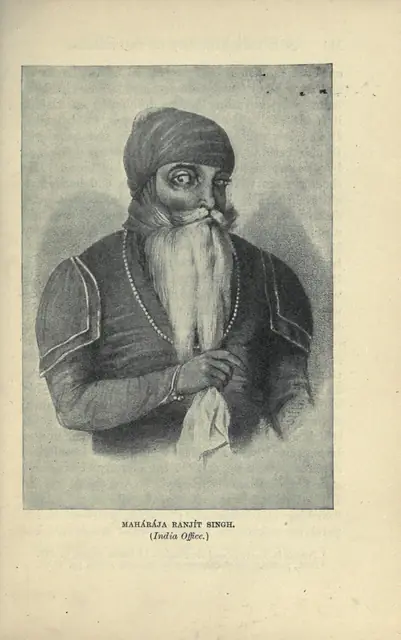
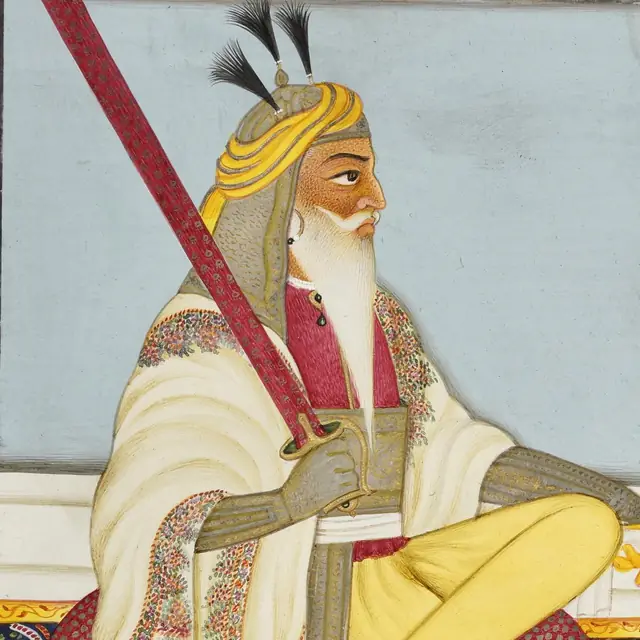
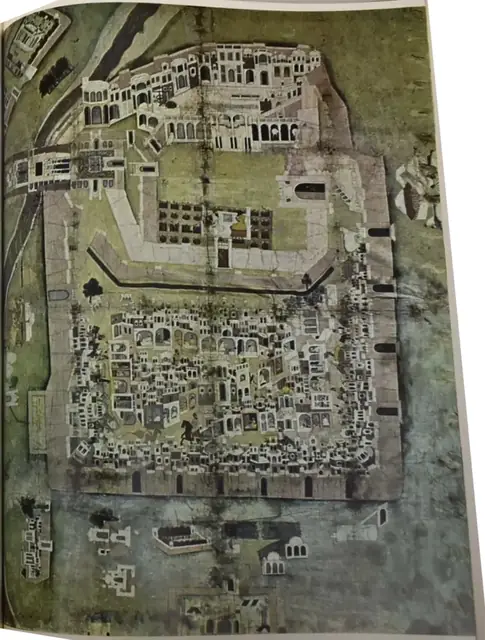
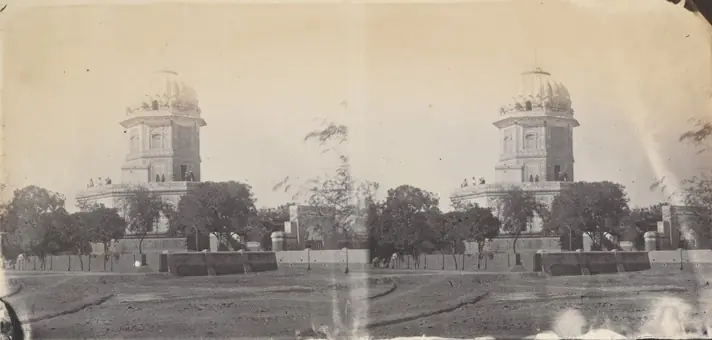
In the years when the Sikh misls were fighting the Afghans for the Punjab, Charat Singh of the Sukerchakia misl made Gujranwala his stronghold and walled it. His son Mahan Singh held it after him, and Mahan Singh’s son Ranjit Singh was born here on 13 November 1780. The boy lost the sight of one eye to smallpox, led the misl’s horsemen while still in his teens, and took Lahore in July 1799. Hari Singh Nalwa, who would carry the Sikh frontier to the Khyber, was also born at Gujranwala, in 1791. The samadhi of Mahan Singh, photographed in the 1860s, and the samadhi of Nalwa built in 1892 stood in the town.
021947
Under British rule Gujranwala became a district town of mills and markets, with a large Hindu and Sikh trading population. In August 1947 the Radcliffe line placed it in Pakistan, and its Hindus and Sikhs left for India amid the killings of that year, as did Muslims from the eastern Punjab in the other direction. The samadhis of Ranjit Singh’s forefathers suffered neglect after Partition, and little of the Sukerchakia town survives among the modern city. For Sikhs the name Gujranwala still means the birthplace of Sher-e-Punjab.
The life of this place
- 13 November 1780Ranjit Singh is born at Gujranwala.
- 1791Hari Singh Nalwa is born here.
- 1892A samadhi to Hari Singh Nalwa is built in the town.
- August 1947Gujranwala goes to Pakistan; its Hindus and Sikhs leave.