01Tarabai’s seat
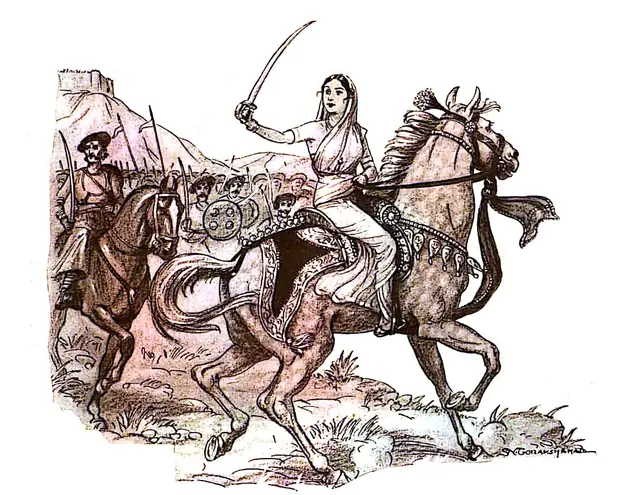
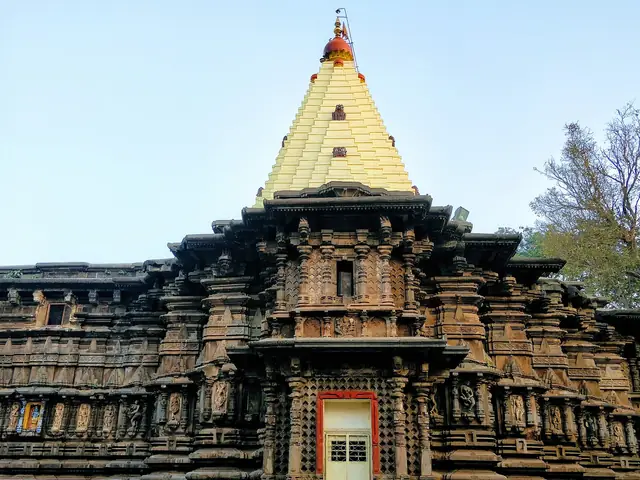
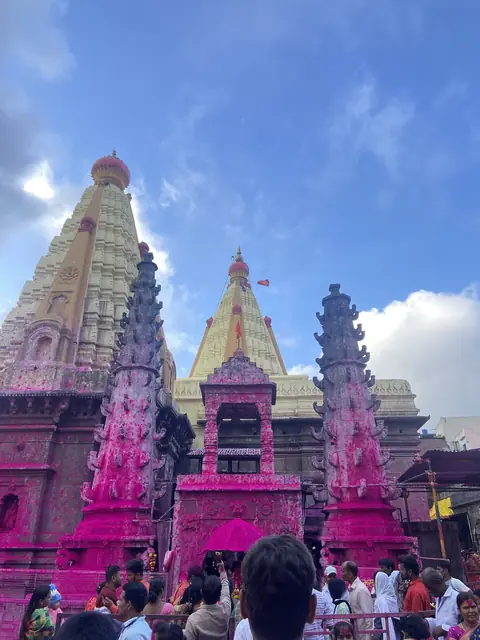
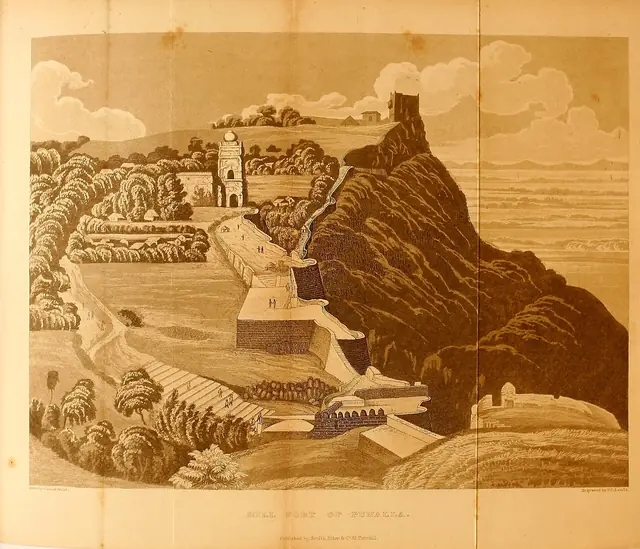
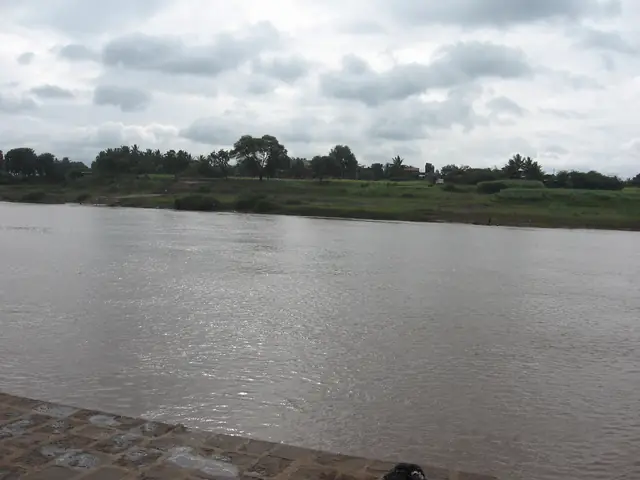
Karavira is named in the Puranas as the city Mahalakshmi never leaves, and her temple of Ambabai is still the heart of the town. The Shilahara kings ruled from here and from Panhala in the eleventh and twelfth centuries. After Chhatrapati Rajaram died in 1700, his widow Tarabai fought the Mughals in her young son’s name; when Shahu was released in 1707 and claimed the throne, she set up a rival court at Panhala in 1710. The treaty of Warna in 1731 split the Maratha kingdom between Shahu’s line at Satara and Tarabai’s at Kolhapur, divided by the Warna river, and the Kolhapur house later made Kolhapur town its capital.
02Shahu Maharaj
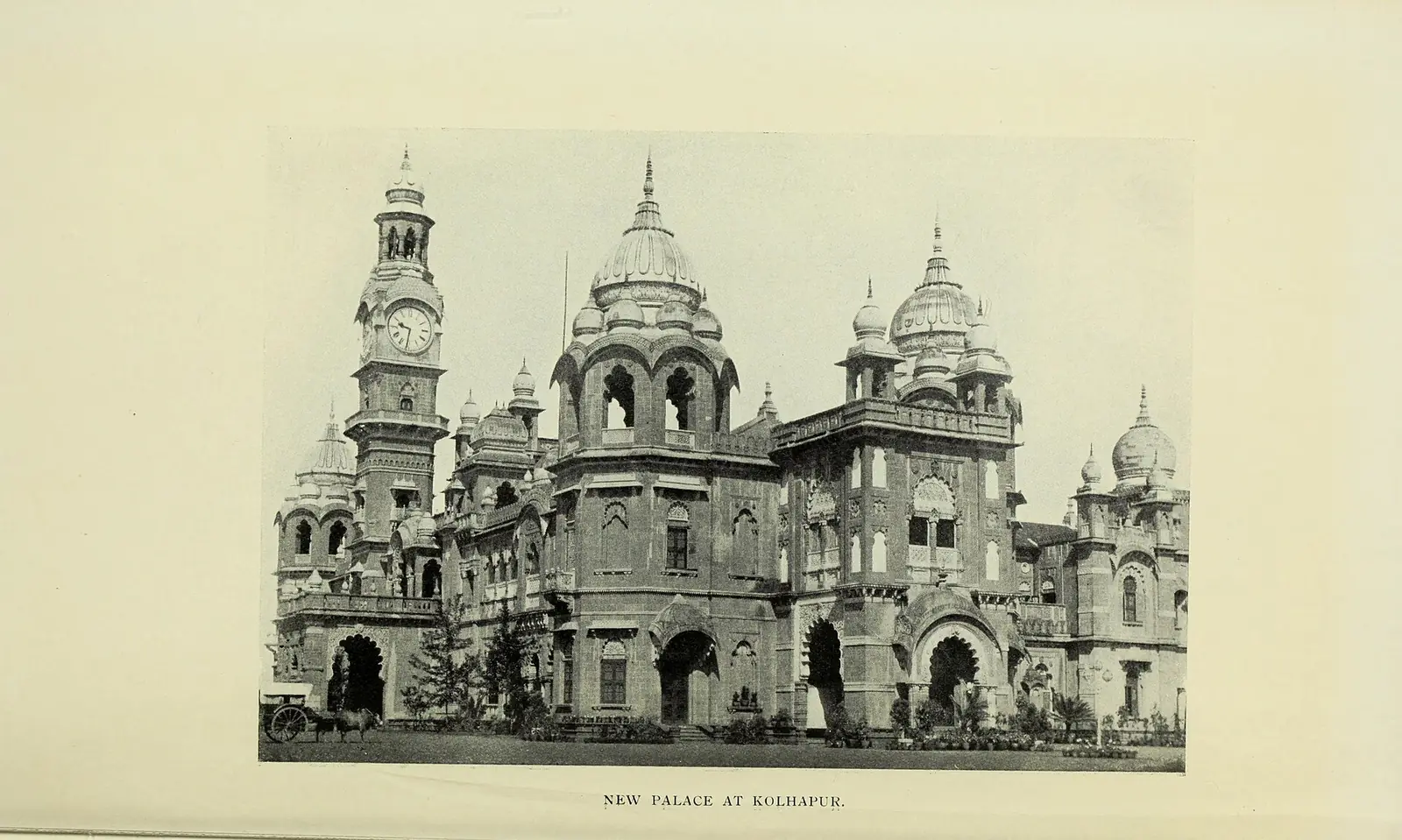
Shahu Chhatrapati, who ruled from 1894 to 1922, is remembered in Maharashtra as Rajarshi. On 26 July 1902 he reserved half the posts in his state’s service for communities left out of education and office, opened hostels for students of every caste, made primary education free, and backed the young B. R. Ambedkar’s paper Mooknayak. The New Palace, of black stone, was built between 1877 and 1884 and now holds the Shahu museum. Kolhapur joined Bombay State in 1949. It is known too for its wrestling akhadas and its spicy mutton tambda rassa.
The life of this place
- 1710Tarabai sets up her son’s court at Panhala.
- 1731Treaty of Warna divides the Satara and Kolhapur houses.
- 1884The New Palace is completed.
- 26 July 1902Shahu Maharaj reserves half of state posts for backward communities.
- 1949Kolhapur state merges into Bombay State.