01A city drawn on a grid
Amber, in its narrow valley, had no room to grow, and its water was short. Sawai Jai Singh II, astronomer and Mughal mansabdar, chose the plain to the south and founded his new city in 1727. Vidyadhar Bhattacharya, a Bengali Brahmin in his service, laid it out on principles drawn from the Shilpa Shastras: wide main streets crossing at right angles, wards or chowkris in a grid, bazaars with shops of the same size along the main roads, and the palace in the central blocks. The walls had seven gates. Jai Singh invited bankers and craftsmen from across north India to settle, and Jaipur soon outgrew Amber as the centre of Dhundhar.
02Govind Dev’s city
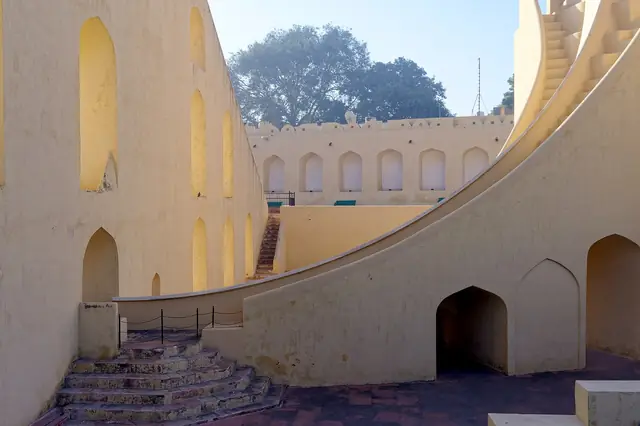
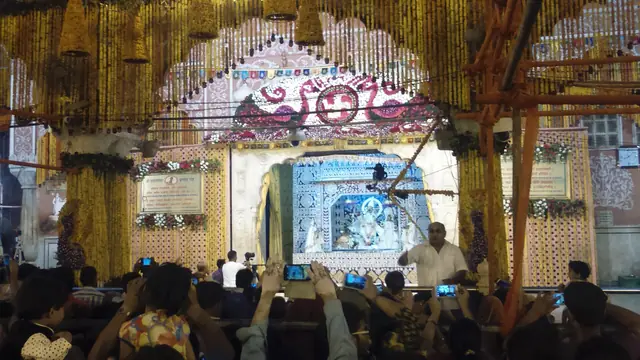
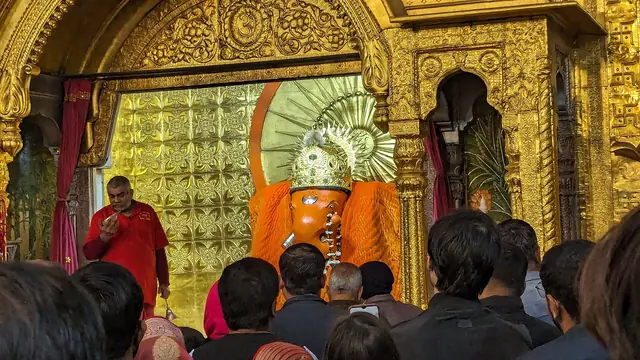
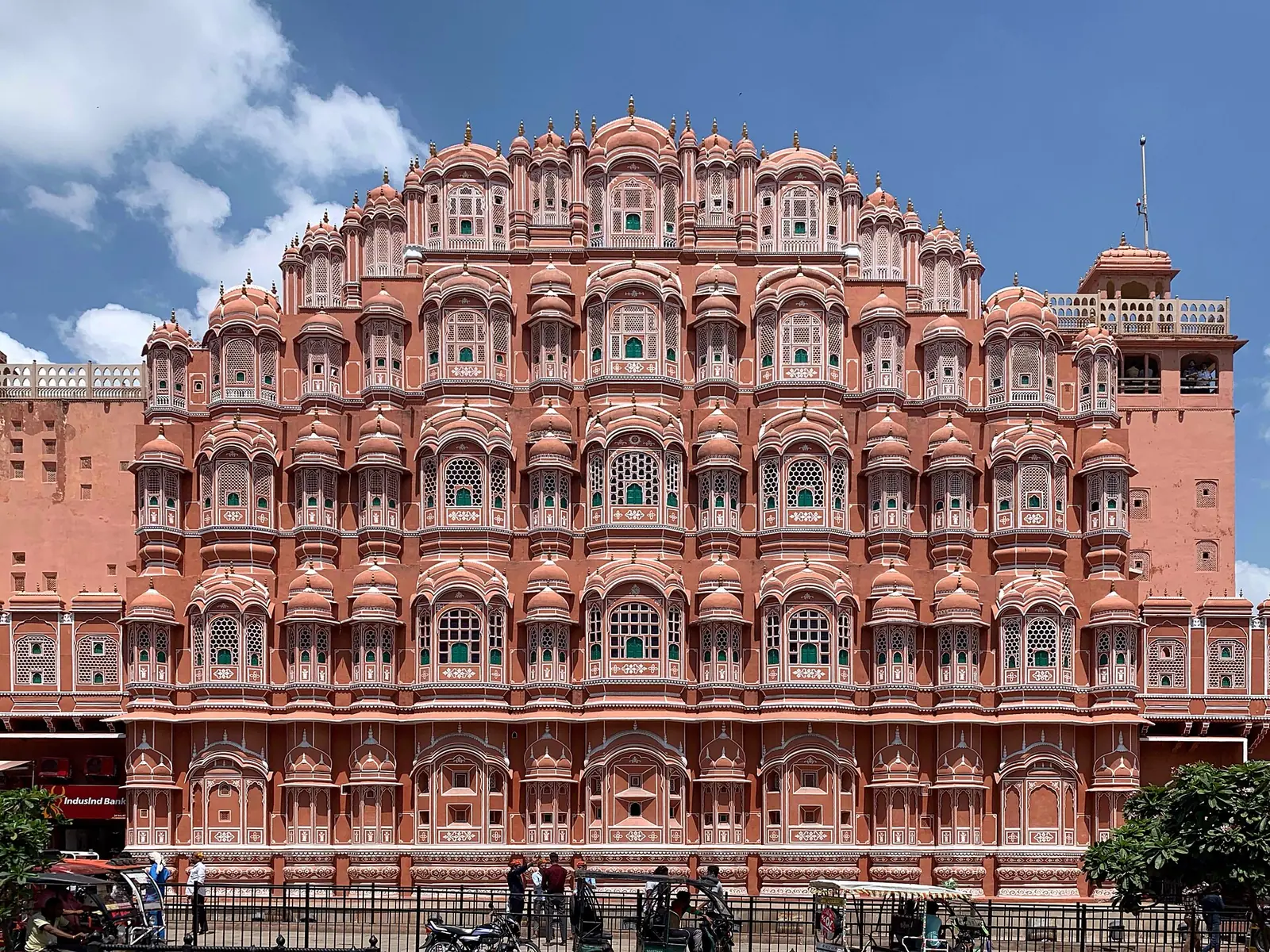
The murti of Govind Dev, brought from Vrindavan in 1670 ahead of Aurangzeb’s order, was installed in the palace garden in 1727, and Jai Singh declared the deity the true king of the state and himself only his diwan; his successors bowed to Govind Dev first at their coronations. Jai Singh built the Jantar Mantar beside the palace from about 1728. Sawai Pratap Singh added the Hawa Mahal in 1799. In 1876 Ram Singh II had the city washed in the pink of terracotta for the visit of the Prince of Wales, and the colour stayed. Jaipur became the capital of Rajasthan in 1949, and the walled city was inscribed as a UNESCO World Heritage Site in 2019.
The life of this place
- 1727Sawai Jai Singh II founds Jaipur and installs Govind Dev in the palace garden.
- 1799Sawai Pratap Singh builds the Hawa Mahal.
- 1876The city is painted pink for the Prince of Wales’s visit.
- 1949Jaipur becomes the capital of Rajasthan.
- July 2019The walled city becomes a UNESCO World Heritage Site.