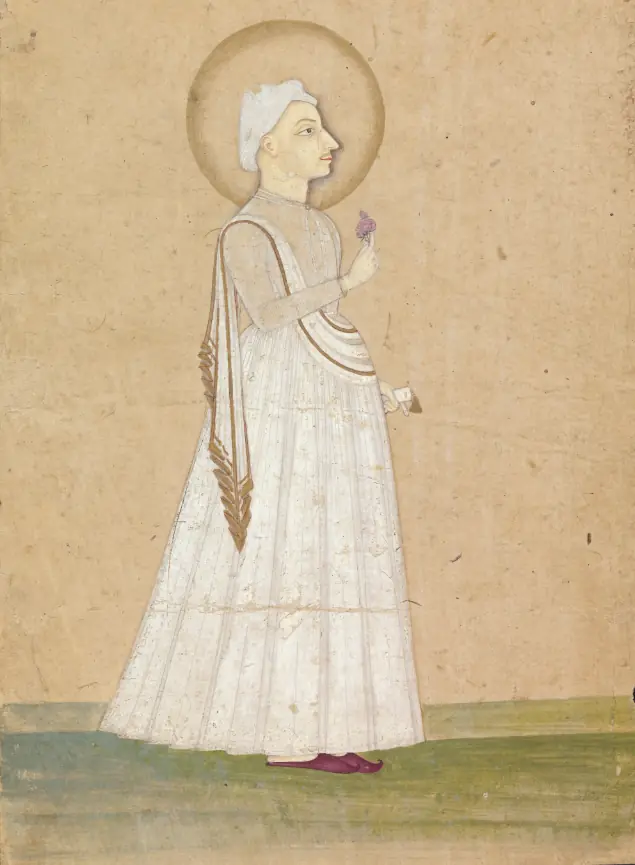
01A boy after Panipat
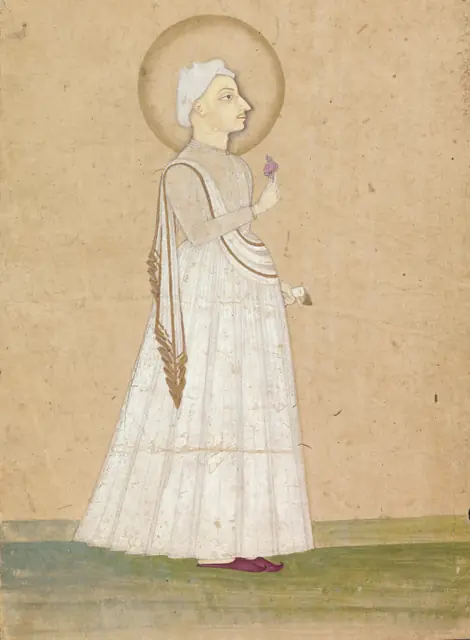
Madhavrao was born on 14 February 1745, the second son of the Peshwa Balaji Bajirao, called Nanasaheb. His elder brother Vishwasrao died at Panipat on 14 January 1761, and his father, broken by the news, died that June. Madhavrao was given the robes of Peshwa with his uncle Raghunathrao as guardian. The Nizam saw his chance and marched; in 1763 his army plundered Pune. The young Peshwa fell out with his uncle, was forced to submit to him in 1762, and still led the army that caught the Nizam’s rearguard at Rakshasbhuvan on the Godavari on 10 August 1763 and beat it badly.
02Hyder Ali and the north
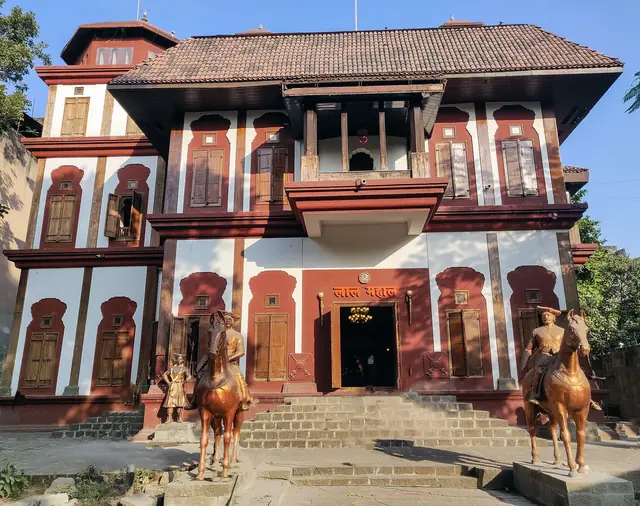
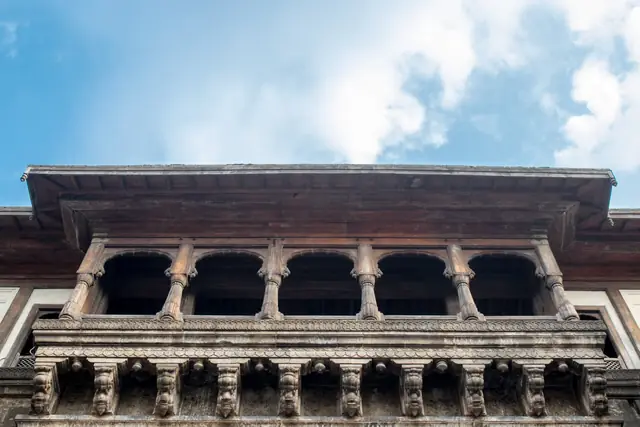
Hyder Ali of Mysore had pushed north into Maratha lands during the troubles. Madhavrao led campaigns against him in 1764–65, 1767 and 1769–72, and forced him to give up territory and pay tribute. In 1768 Raghunathrao rose again; Madhavrao beat him at Dhodap and kept him under guard in Shaniwar Wada. In the north his commanders, Mahadji Shinde among them, rebuilt Maratha power, and in January 1772 they escorted the emperor Shah Alam II back into Delhi under Maratha protection. Eleven years after Panipat the Marathas held the capital again.
03At Theur
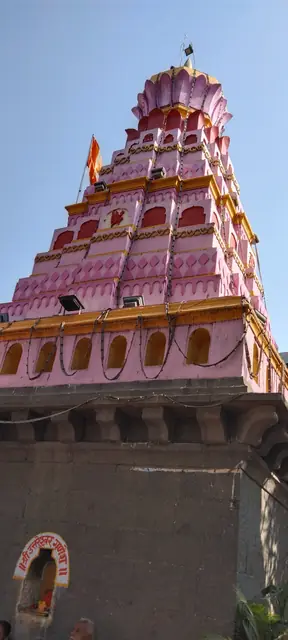
He kept a hard eye on his own officers. Ram Shastri Prabhune, the chief judge, was free to rule against the powerful, and Madhavrao himself heard complaints from villagers. He was devoted to Shri Chintamani, the Ganesh of Theur near Pune, and when consumption took hold he went there to die. He died at Theur on 18 November 1772; his wife Ramabai became sati. The British historian Grant Duff wrote that the plains of Panipat were not more fatal to the Maratha empire than the early end of this prince.