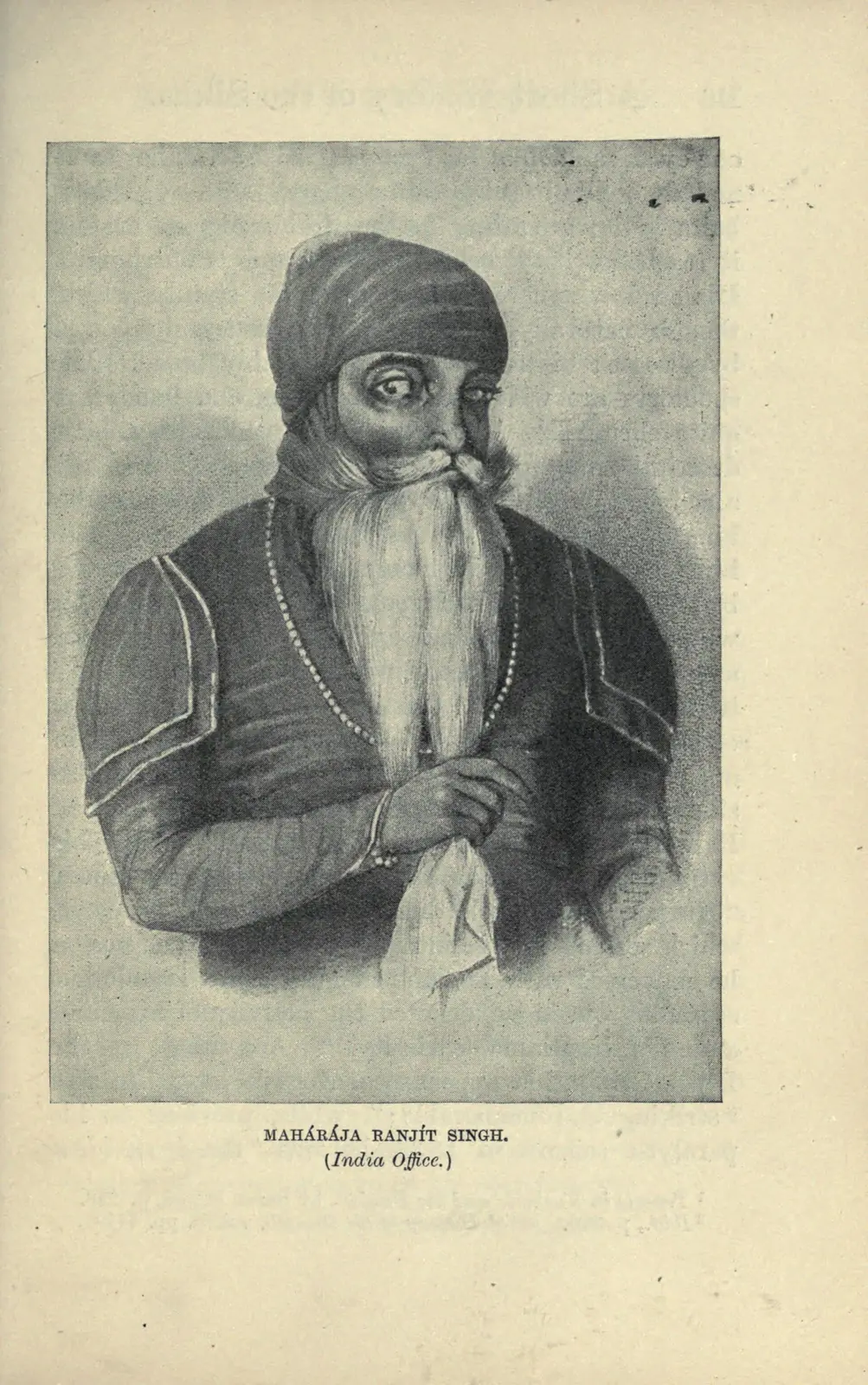
01Lahore, 1799
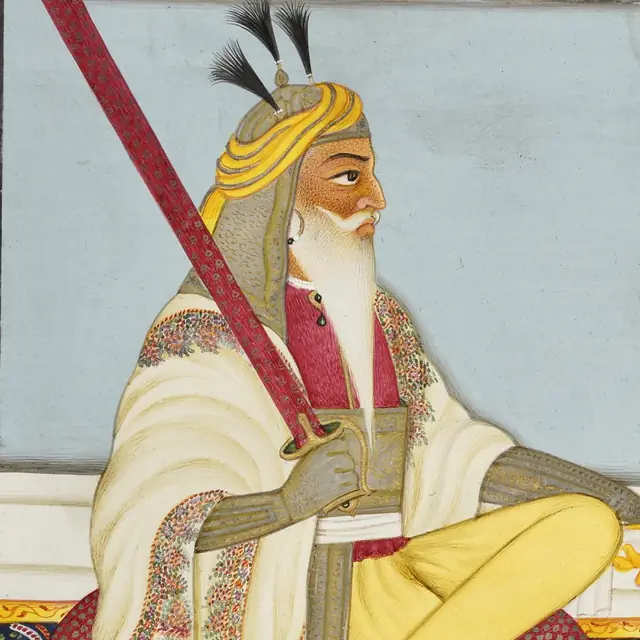
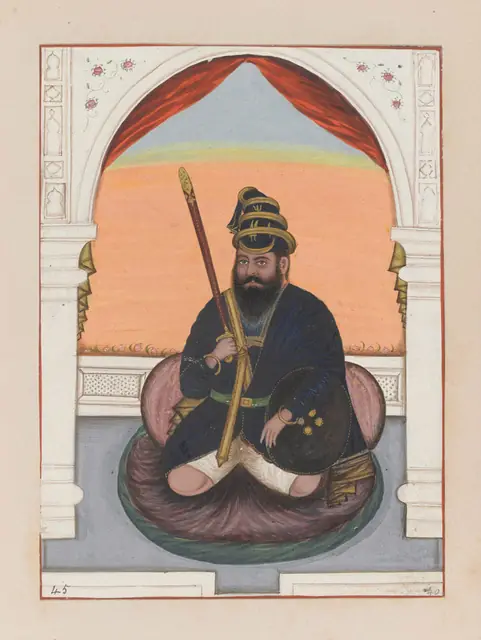
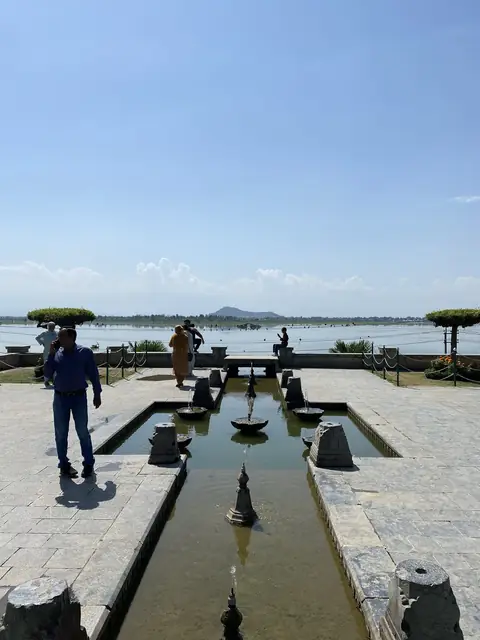
He was born on 13 November 1780 at Gujranwala, son of Maha Singh of the Sukerchakia misl, and was leading its horsemen while still a boy. On 7 July 1799 he rode into Lahore, which the Afghan Zaman Shah had left in the hands of local chiefs. On Baisakhi of 1801 he was proclaimed Maharaja of the Punjab. He called his government Sarkar Khalsa and struck his coins in the name of the Gurus. Amritsar followed in 1805, then the hill states, Multan in 1818 and Kashmir in 1819, ending nearly five centuries of rule there by sultans and Afghan governors.
02The Khalsa army and the frontier
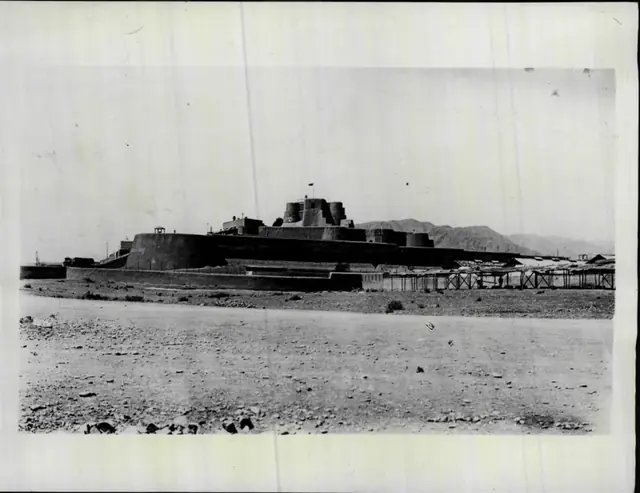
He hired European officers such as Jean-Baptiste Ventura and Jean-François Allard to drill his infantry and cavalry, and built a foundry for his own artillery at Lahore. With Hari Singh Nalwa at its head the army took Peshawar in 1834, the first time in centuries that an army from the plains of India held the mouth of the Khyber. By the Treaty of Amritsar of 1809 he accepted the Sutlej as his border with the British, and they never crossed it while he lived. He took the Koh-i-Noor from the fugitive Afghan king Shah Shuja in 1813.
03Gold for the shrines
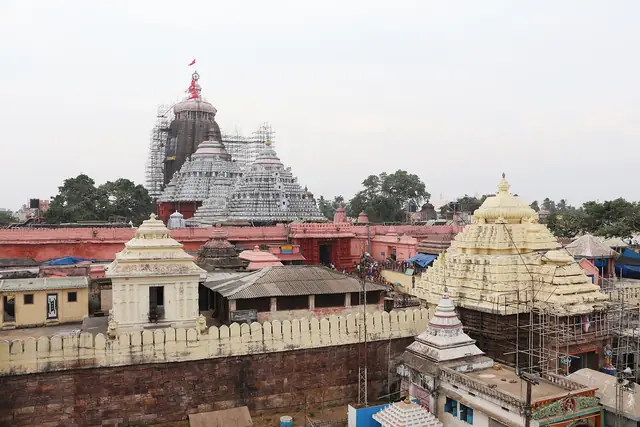
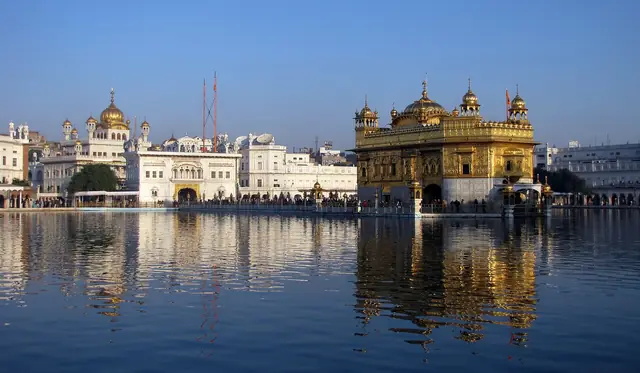
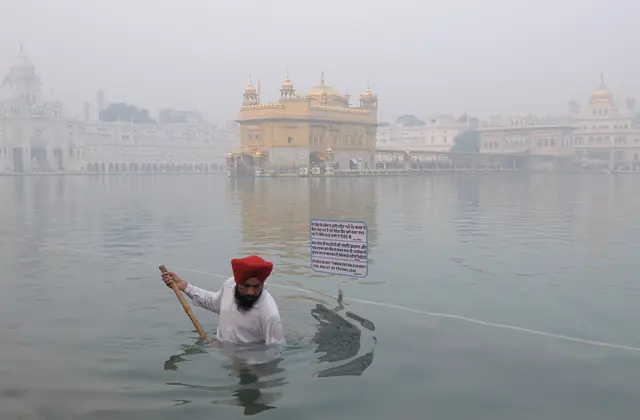
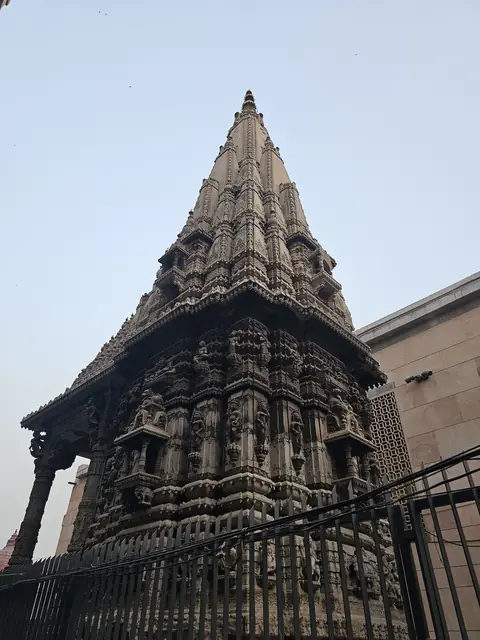
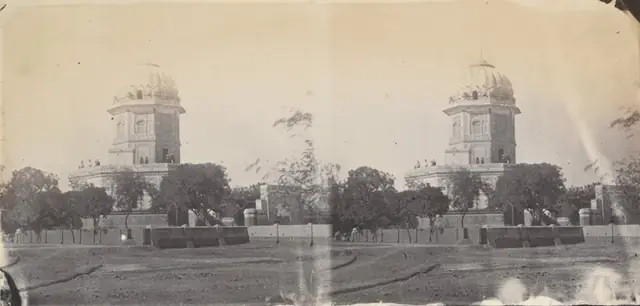
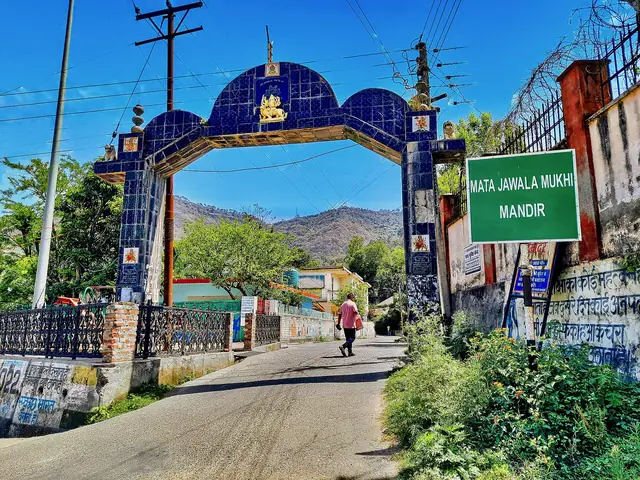
From the early 1800s he had the upper storeys of the Harmandir Sahib at Amritsar covered in gilded copper and marble, which is why the world calls it the Golden Temple. He sent gold to plate the domes of the Kashi Vishwanath temple at Varanasi, rebuilt by Ahilyabai Holkar half a century earlier, and gave to the Jwalamukhi temple in Kangra. On his deathbed at Lahore he asked that the Koh-i-Noor be sent to Jagannath at Puri; his ministers never sent it. He died on 27 June 1839. His samadhi stands beside the Lahore fort, next to the Gurdwara Dera Sahib.