01Capital of Venad and Travancore
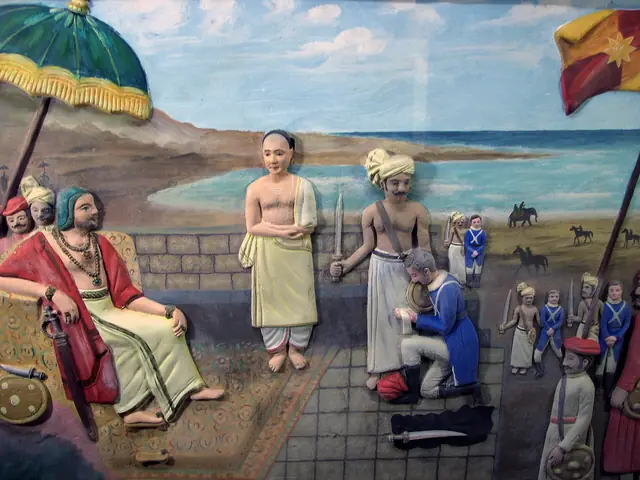
The oldest part, the Thai Kottaram or mother’s palace, goes back to about 1601 and the Venad king Iravi Varma Kulasekhara Perumal. The town was then called Kalkulam. Marthanda Varma, who made a small Venad into the kingdom of Travancore, rebuilt the palace around 1750 and girdled the town with a granite fort, and renamed it Padmanabhapuram after Shri Padmanabha, to whom he had dedicated his kingdom in the Thrippadidanam of January 1750. From here he beat the Dutch at Colachel in 1741, a few kilometres away. In 1795 Dharma Raja Karthika Thirunal moved the capital to Thiruvananthapuram, and the old palace stayed in the royal family’s care.
02Wood, lacquer and egg-white floors
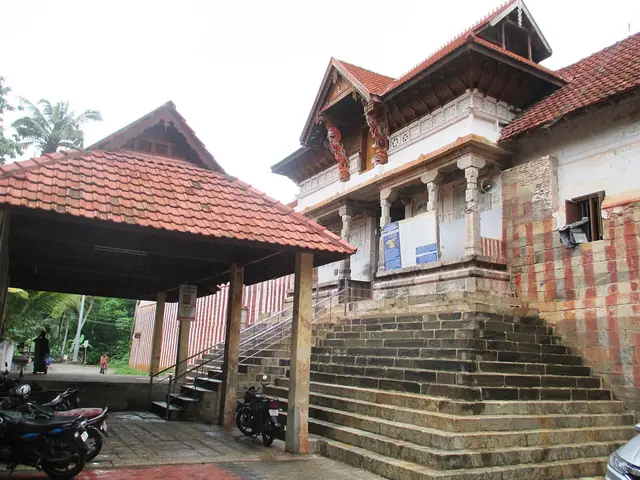
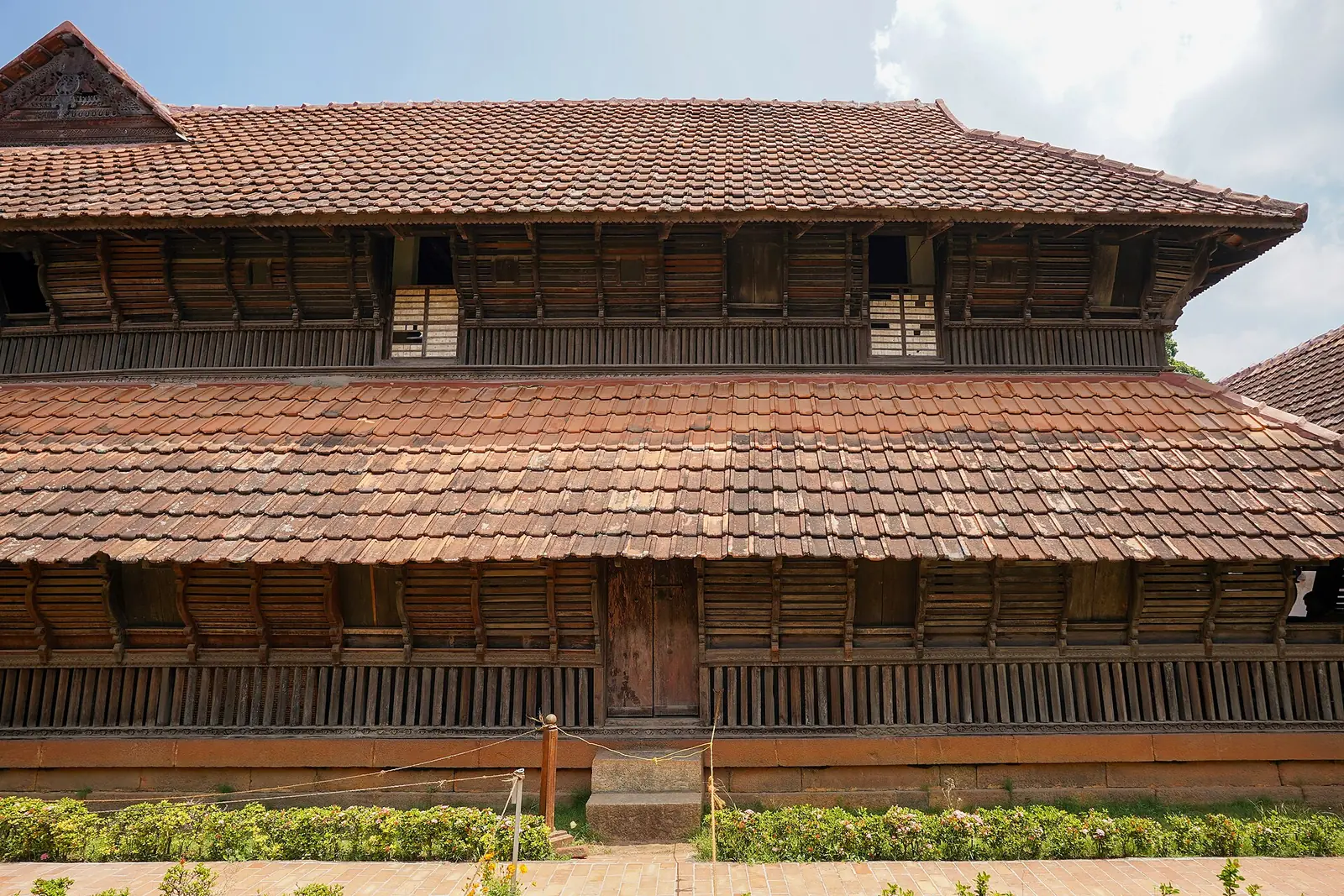
The palace is a cluster of buildings under steep tiled roofs, joined by courtyards and corridors: the council chamber with its windows of coloured mica, the king’s bedchamber with a medicinal four-poster bed of many woods, the dance hall, the great dining hall where the palace fed thousands, and a four-storeyed upper palace whose top room is painted with murals of the gods. The polished black floors are famous; they were laid with a mix that tradition says included burnt coconut shell, lime and egg white. The roof brackets and ceilings are carved in jackwood and rosewood. When the states were redrawn in 1956, Thuckalay went to Tamil Nadu, but the palace remained with Kerala, which maintains it as a museum.
The life of this place
- c. 1601The Thai Kottaram is built under Iravi Varma Kulasekhara Perumal.
- 1741Marthanda Varma defeats the Dutch at Colachel, near the palace.
- c. 1750Marthanda Varma rebuilds the palace, builds the granite fort and names the town Padmanabhapuram.
- 1795The capital moves to Thiruvananthapuram.
- 1956Thuckalay passes to Tamil Nadu; the palace stays in Kerala’s care.
At Thuckalay, about 50 km south-east of Thiruvananthapuram; closed on Mondays. Shoes off at the gate.