01From Akbar to the Marathas
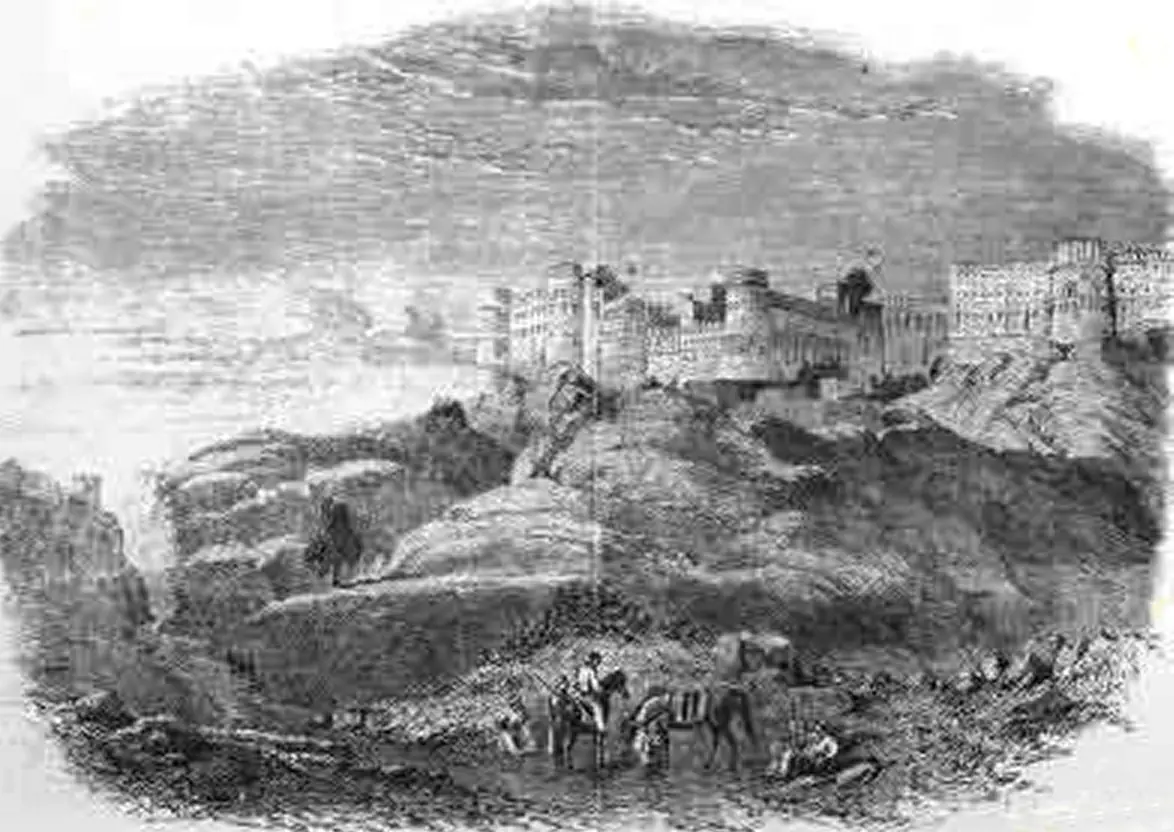
The Kabul river meets the Indus just above Attock, and for two thousand years armies crossed here, near old Udabhandapura, the Hindu Shahi capital a little upstream at Hund. Akbar built the fort in 1581–83 after his campaign against his brother Mirza Hakim of Kabul. In 1758, two years after Ahmad Shah Abdali sacked Delhi and Mathura, Raghunathrao, with Malhar Rao Holkar and the Scindias, drove the Afghans out of the Punjab and reached Attock in April; Maratha detachments went on to Peshawar. The Marathi phrase Atkepar zenda, the flag beyond Attock, comes from that summer.
02The Sikh fort
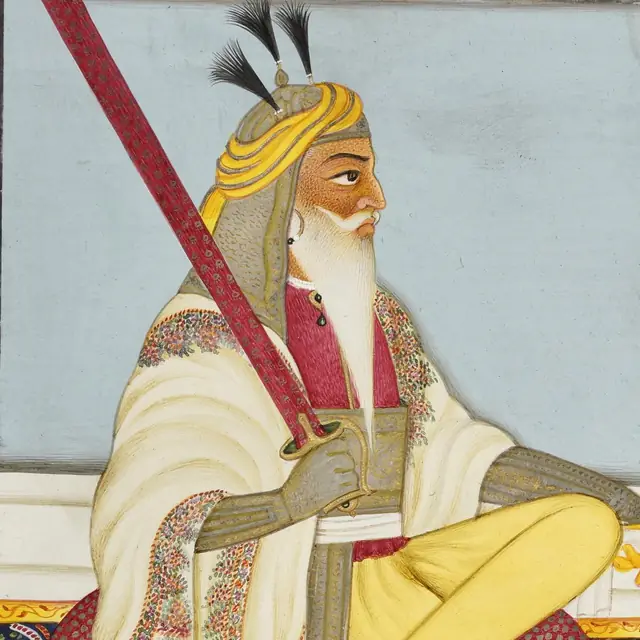
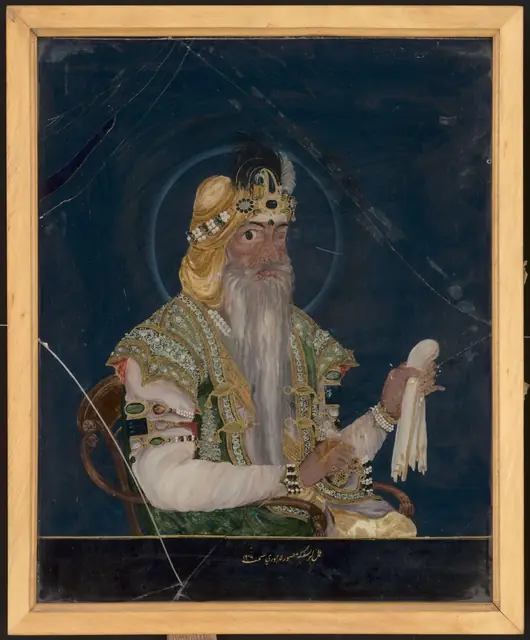
In 1813 Maharaja Ranjit Singh bought the fort from its Afghan governor, and the Durrani wazir Fateh Khan marched to take it back. On 13 July 1813, at Chhachh near Attock, the Sikh army under Diwan Mohkam Chand, with Hari Singh Nalwa among its commanders, broke the Afghan attack in the summer heat. It was the first great Sikh victory over the Afghans, and Attock remained the Sikh gateway to Peshawar and the Khyber until the British annexed the Punjab in 1849. The fort is held by the Pakistan Army today and is closed to visitors.
The life of this place
- 1581–83Akbar builds the fort at the Indus crossing.
- April 1758Raghunathrao’s Maratha army reaches Attock and pushes on to Peshawar.
- 13 July 1813The Sikh army defeats the Afghans under Fateh Khan; Attock becomes a Sikh fort.
- 1849The British annex the Punjab and take over the fort.