01Tyag Mal of Amritsar
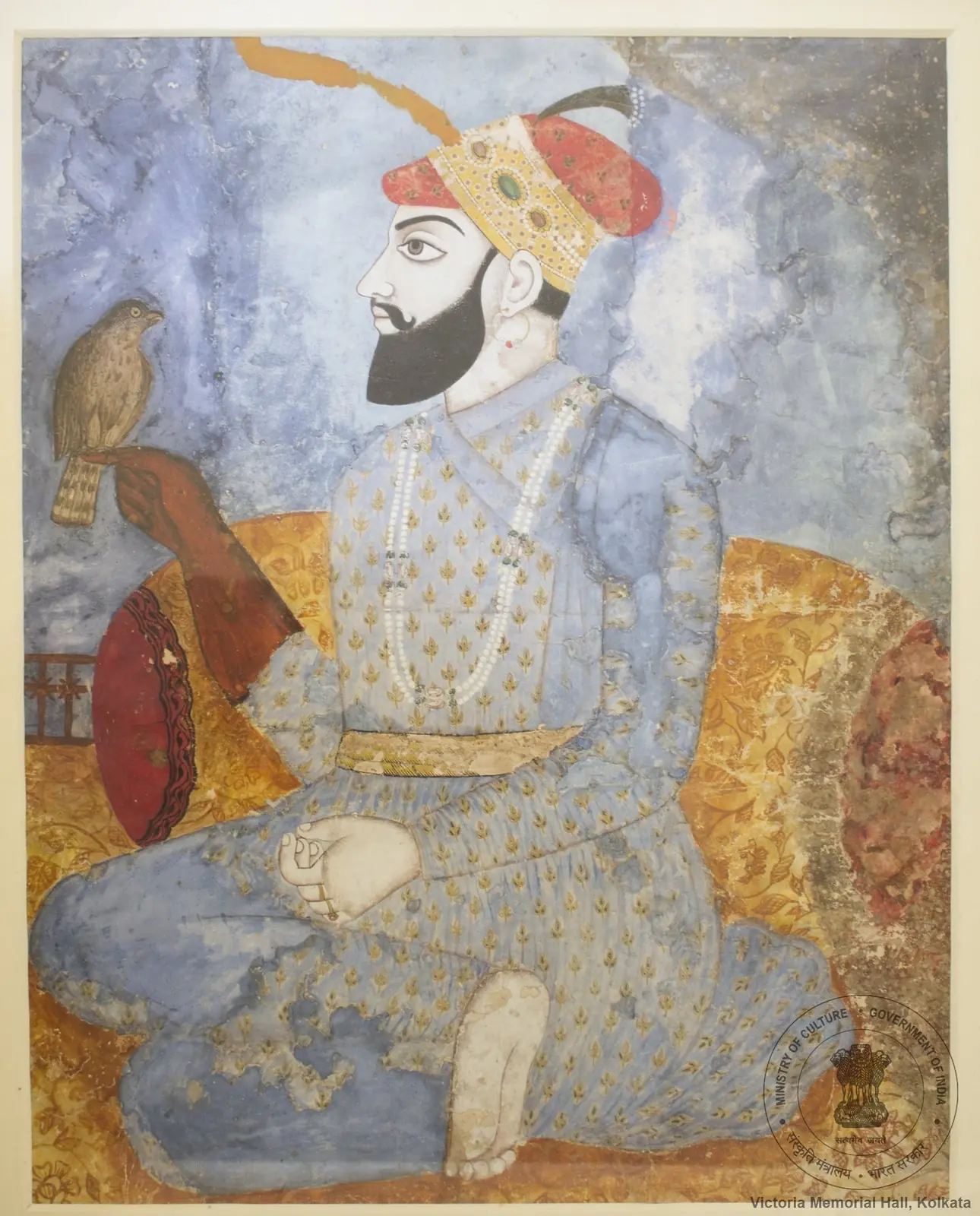
Born at Amritsar in 1621, the youngest son of Guru Hargobind, he was named Tyag Mal and earned the name Tegh Bahadur, brave of the sword, fighting beside his father at Kartarpur in 1635. He then lived years in quiet at Bakala. In 1664 the Sikhs found him there as the ninth Guru. He founded Chakk Nanaki, the town that became Anandpur Sahib, and travelled east as far as Dhaka and Assam; his son Gobind was born at Patna in 1666. His fifty-nine shabads and fifty-seven shaloks, added to the Granth by his son, speak of detachment and fearlessness.
02Chandni Chowk, November 1675
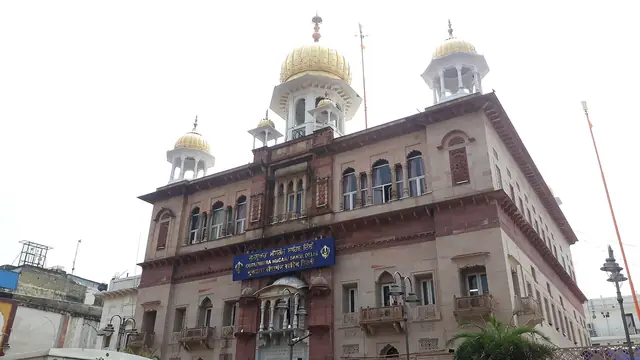
In 1675 a band of Kashmiri Pandits led by Pandit Kirpa Ram came to Anandpur, telling of forced conversions in the valley. The Guru told them to say that if Tegh Bahadur could be made to accept Islam, they would follow. He went toward Delhi, was arrested and brought before the Mughal authorities. His companions Bhai Mati Das, Bhai Sati Das and Bhai Dayala were put to death before his eyes. On Aurangzeb’s orders the Guru was beheaded at Chandni Chowk in November 1675; Gurdwara Sis Ganj Sahib stands there. Bhai Jaita carried his head to Anandpur, and Lakhi Shah Vanjara burned his own house to cremate the body, where Gurdwara Rakab Ganj now stands.
“He protected their tilak and sacred thread, and did a great deed in the Kali age.”
Bachittar Natak of Guru Gobind Singh, ch. 5