01The refusal
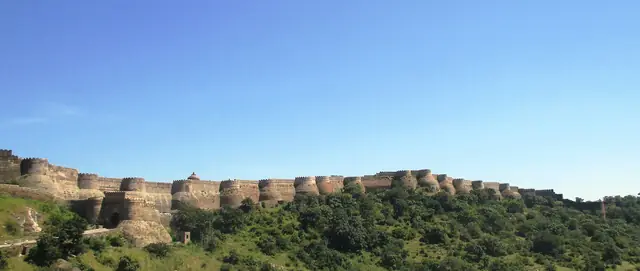
Pratap was born at Kumbhalgarh on 9 May 1540, son of Udai Singh II. Chittor had fallen to Akbar in 1568, and when Pratap became Maharana at Gogunda in 1572 most Rajput houses had already taken Mughal service. Akbar sent four embassies between 1572 and 1573, the last under Raja Todar Mal. Pratap received them with courtesy and would not go to court. Mewar under him had no fertile plain and no great city, only the Aravalli, the Bhil archers who knew every pass, and clans who would not bow.
02Haldighati, 18 June 1576
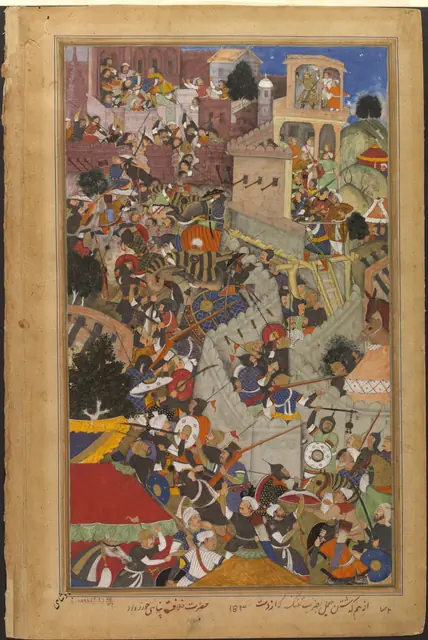
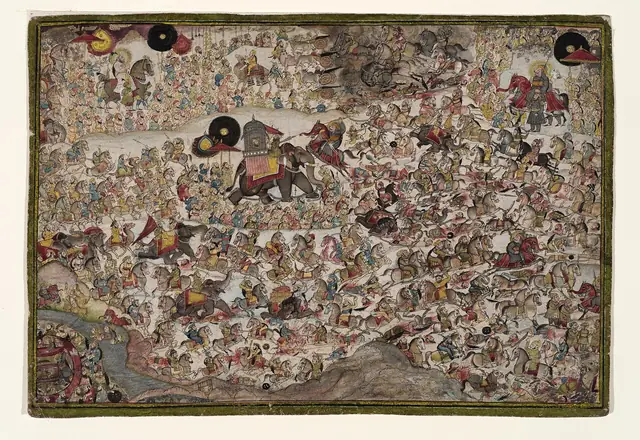
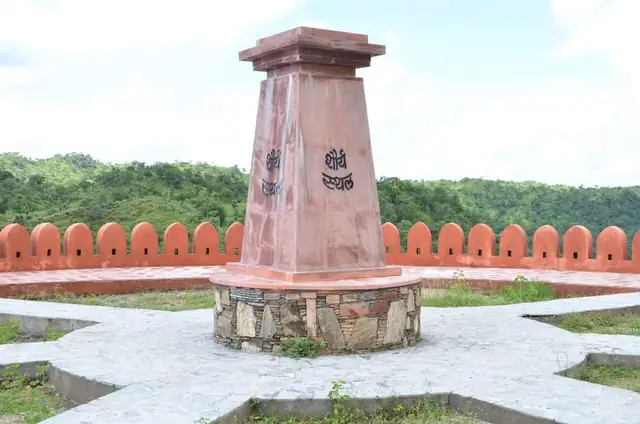
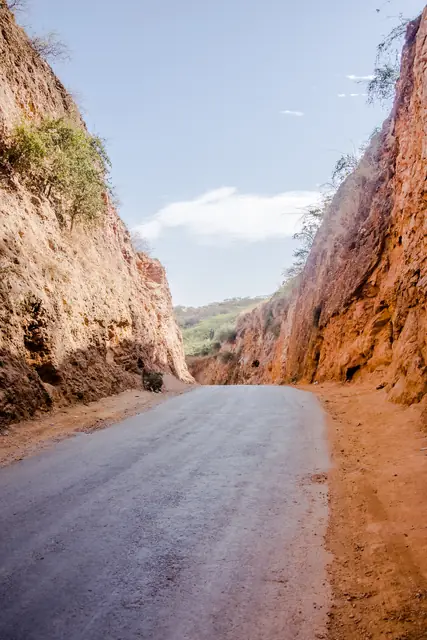
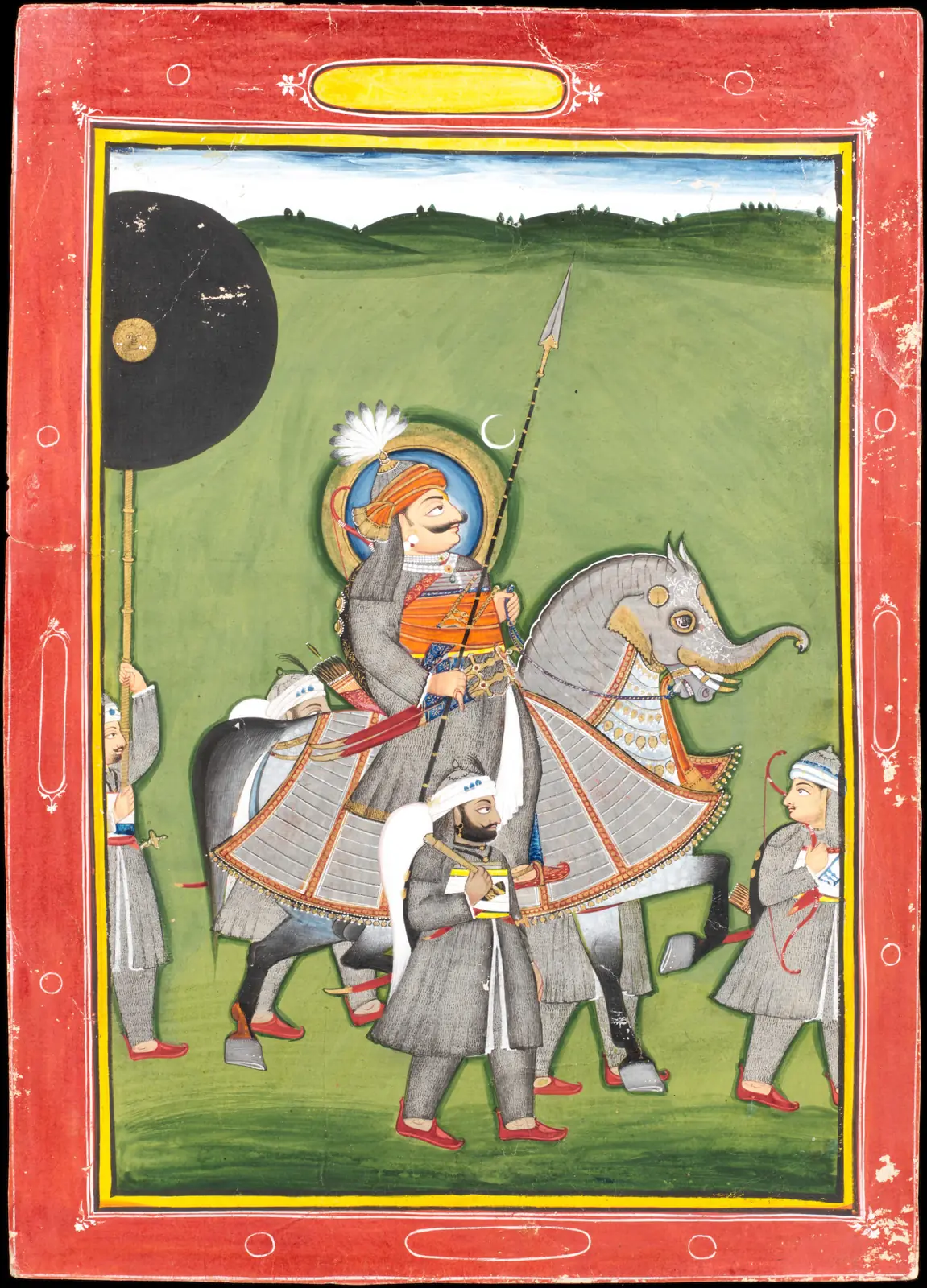
Akbar sent Raja Man Singh of Amber with a large army. They met at the narrow pass of Haldighati near Gogunda, named for its yellow soil. Hakim Khan Sur led Pratap’s vanguard and Bhil archers under Rana Punja held the hills. Pratap charged at Man Singh’s elephant on his horse Chetak. Abd al-Qadir Badauni, who fought on the Mughal side, left an eyewitness account of the day. When the battle turned, Jhala Man took up the royal umbrella so that Pratap could get away; Chetak carried his master out wounded and died soon after. The Mughals held the field but did not capture the Rana.
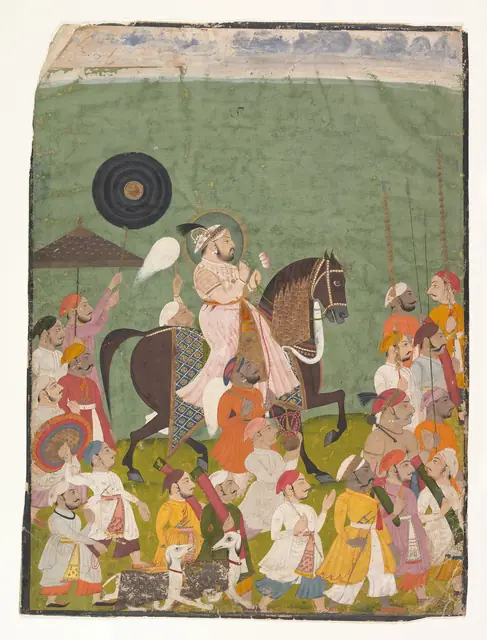
03Mewar won back
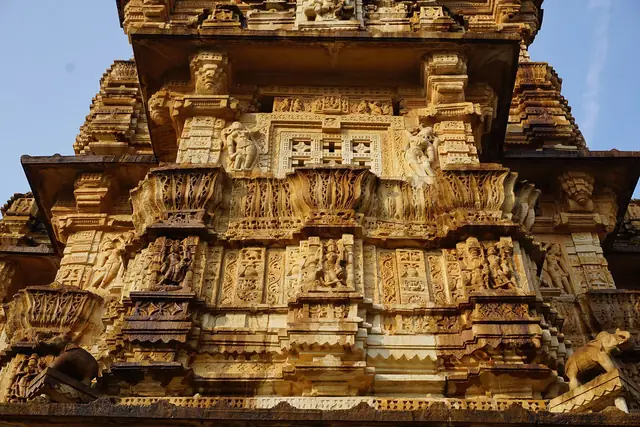
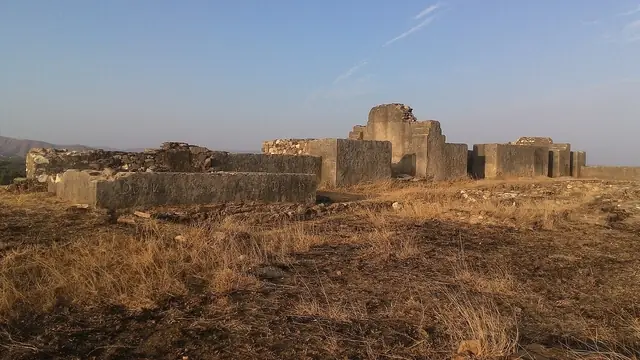
For years the Rana moved from hill to hill while Mughal armies held the towns. The minister Bhama Shah put his family’s wealth at his disposal, and the army was raised again. In 1582 at Dewair Pratap and his son Amar Singh broke the Mughal post and its commander, and the chain of Mughal outposts across Mewar fell one after another. He made Chavand his capital and built a temple to Chamunda there. When he died at Chavand on 19 January 1597, Udaipur, Kumbhalgarh and most of Mewar were his again.