01From Verna to Mardol
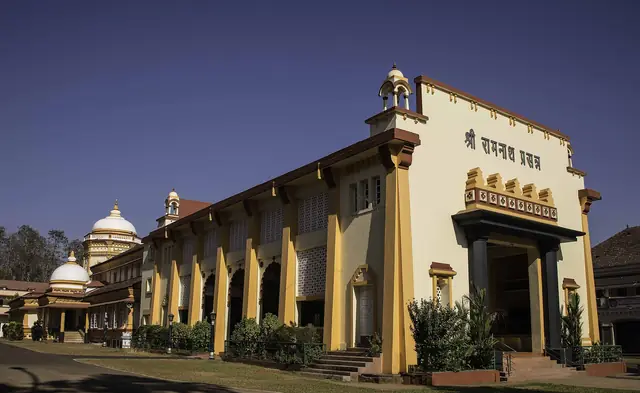
Mahalasa’s first temple stood at Verna in Salcete. When the Portuguese took Salcete and in 1567 ordered the temples of that province pulled down, her devotees carried the murti by night across the river into Ponda, which lay outside Portuguese rule, and set her up at Mardol. The same decade saw Mangesh, Shantadurga, Ramnath, Nagesh and Damodar make the same crossing, which is why so many of Goa’s great temples now stand within a few kilometres of one another in the Ponda hills. The Mahalasa murti is four-armed, holding a trident, a sword, a severed head and a bowl, the Mohini of the Samudra Manthan in her fierce aspect.
02Bell, lamp-tower and the Jatra
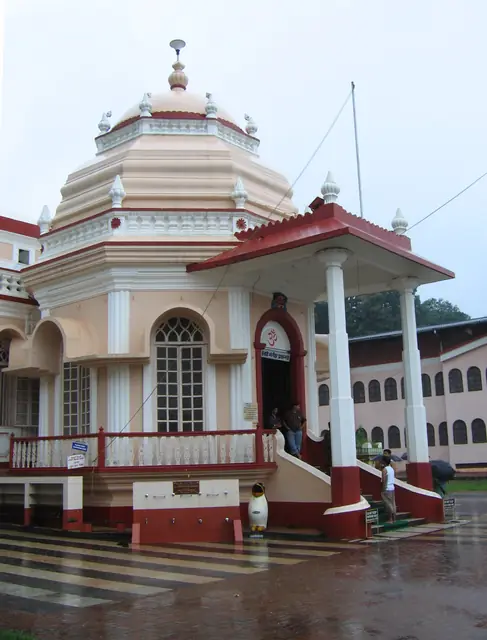
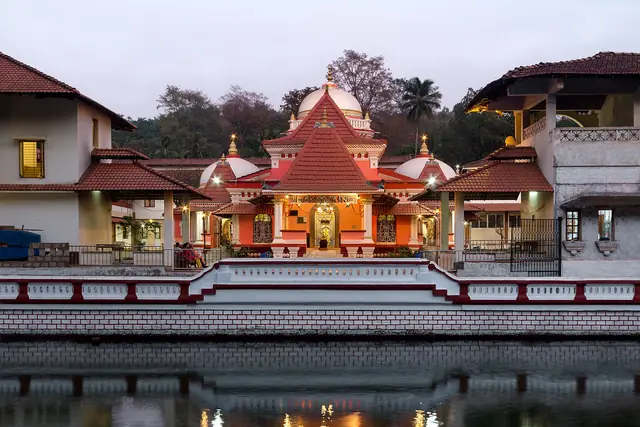
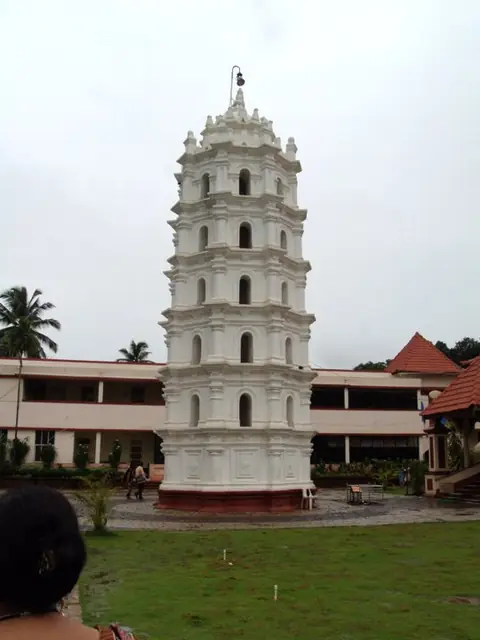
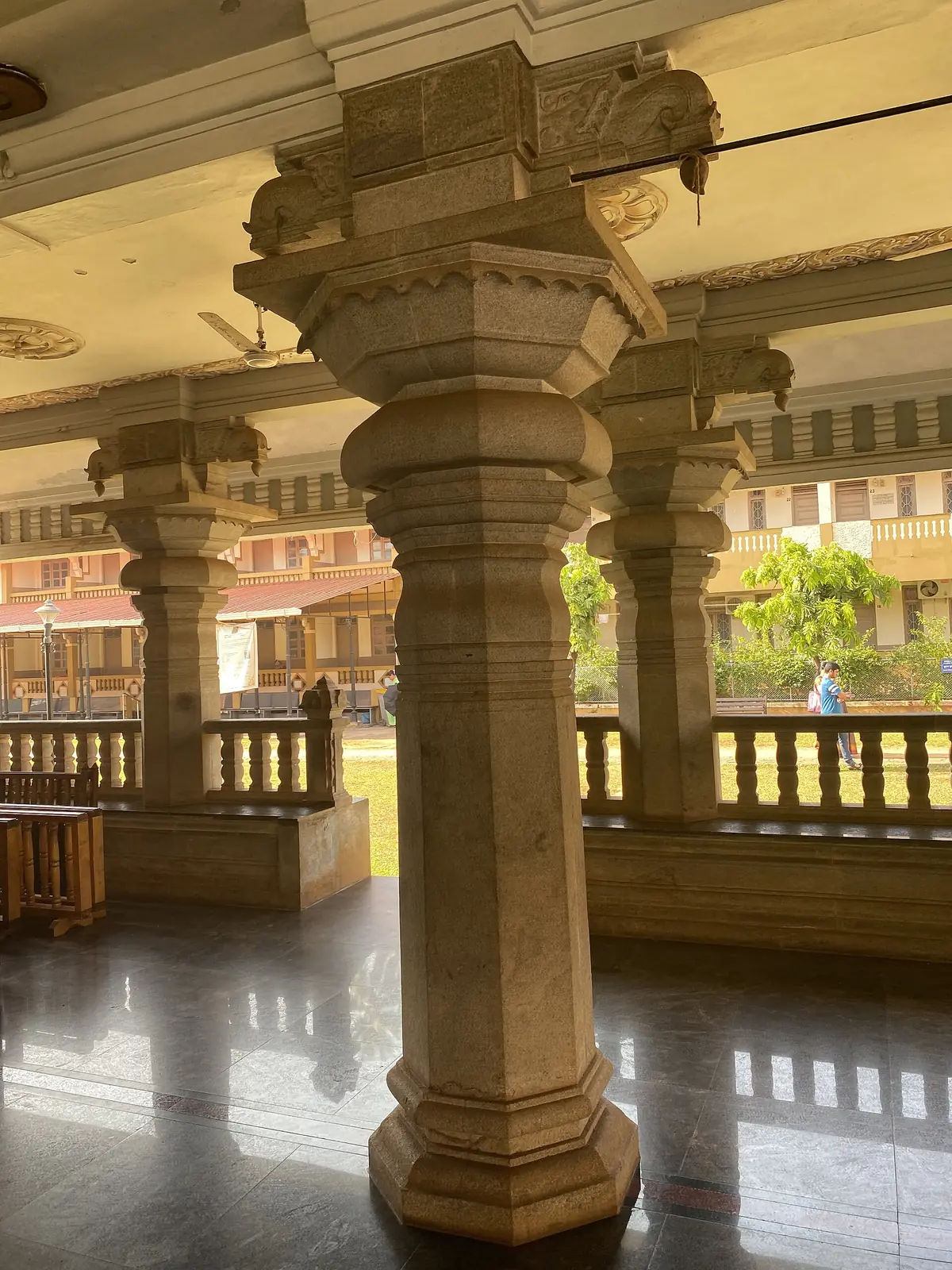
The temple has the Goan form: a tiled roof over a long hall, a tall white deepastambha lamp-tower in the courtyard, and a tank. Its great brass lamp-pillar and its huge bell are famous. In Maharashtra the same Devi is known as Mhalsa, consort of Khandoba of Jejuri, and pilgrims from both traditions come. The Jatra and the Navaratri festival, and the Sunday palkhi, are the occasions to go.
The life of this place
- 1567The Verna temple is destroyed under Portuguese orders and the deity is taken to Mardol.
Mardol is about 22 km from Panaji on the Ponda road, a short way past Mangeshi; dress modestly, as Goan temples ask.