01Guwahati retaken
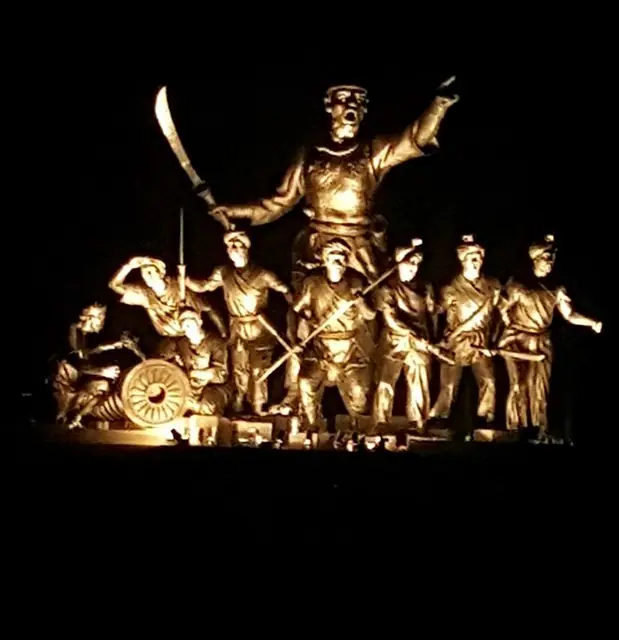
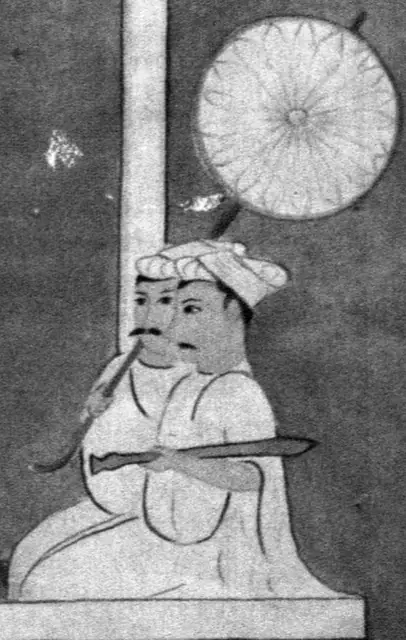
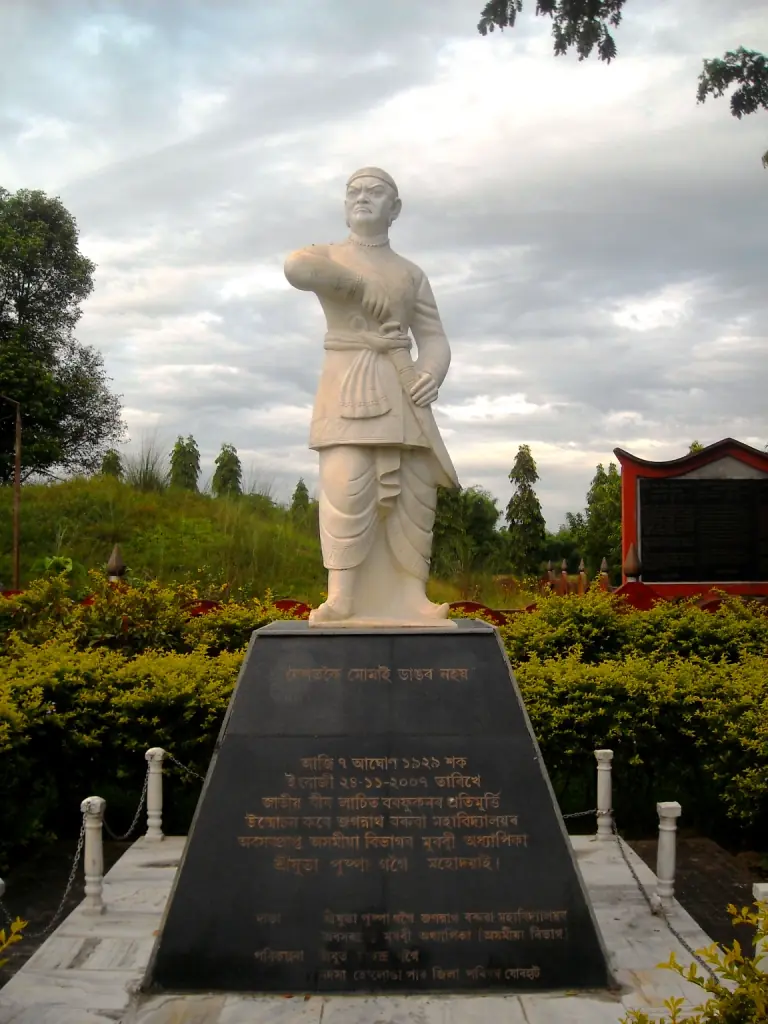
Lachit was born on 24 November 1622, a son of Momai Tamuli Borbarua, one of the great officers of the Ahom state. In 1662 Mir Jumla, Aurangzeb’s governor of Bengal, had marched into Assam and sacked the capital Garhgaon, and the treaty that followed gave western Assam and Guwahati to the Mughals. King Chakradhwaj Singha would not accept it. In 1667 he made Lachit Borphukan and sent him downriver. By November of that year Lachit had taken Itakhuli fort and cleared the Mughals out of Guwahati.
02Saraighat, 1671
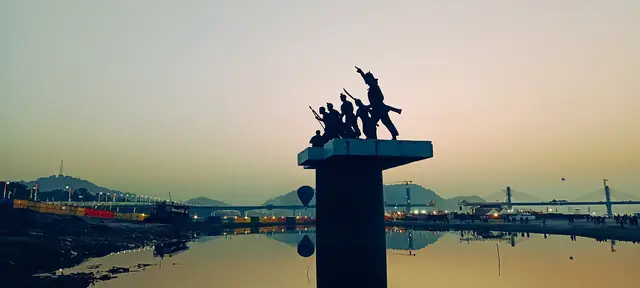
Aurangzeb sent Raja Ram Singh I of Amber with a large army. Lachit refused open battle on the plain, where the Mughal cavalry was strongest, and built earthwork lines along the hills around Guwahati, making the river the field. After a defeat at Alaboi in 1669 the Ahoms held their lines for two years. In March 1671 the Mughal fleet came up the Brahmaputra at Saraighat, where the river is narrowest. Lachit was gravely ill. The Buranjis say he had himself carried onto a boat and led the counter-attack, and his small boats broke and scattered the Mughal flotilla. Ram Singh withdrew. Lachit died the following year, in April 1672.
03Remembered
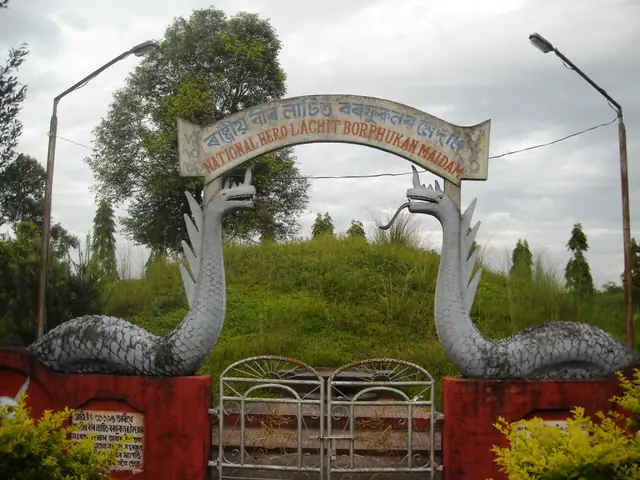
The Buranjis tell that while the earthworks were being built, Lachit found his own maternal uncle neglecting the work and beheaded him, saying that his uncle was not greater than his country. His maidam stands at Hoollongapar near Jorhat. Assam keeps 24 November as Lachit Divas, and since 1999 the best cadet passing out of the National Defence Academy receives the Lachit Borphukan Gold Medal.