01The pass and the field
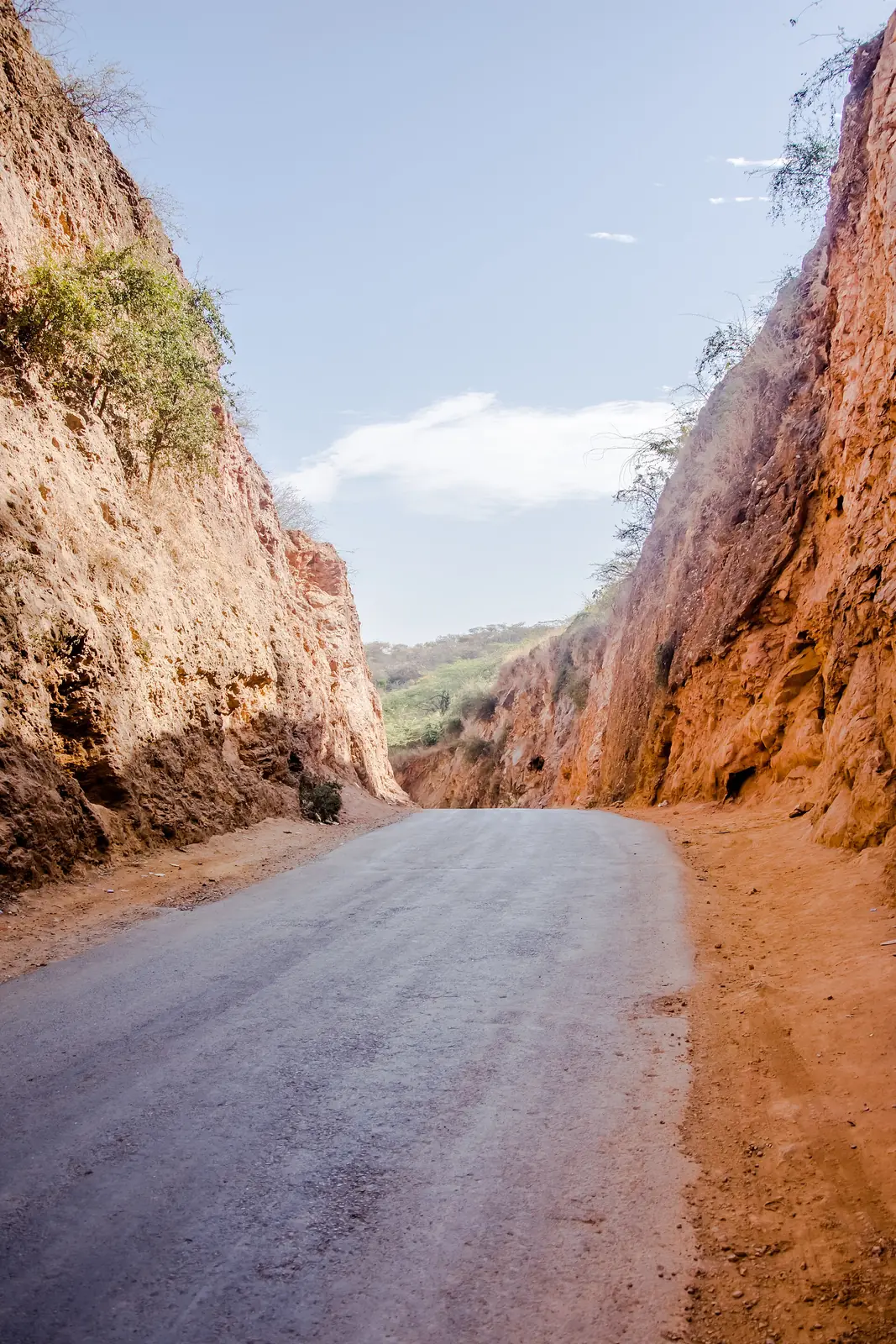
The name comes from the colour of the soil, yellow as haldi. The pass itself is a cleft in the hills; the main fighting of 18 June 1576 took place where it opens towards Khamnore, at the place now called Rakt Talai, the pool of blood. Pratap’s army of Rajputs, Bhils under Rana Punja, and Afghans under Hakim Khan Sur, who led the vanguard, charged Man Singh’s much larger force. The historian Badauni, who rode with the Mughals, describes the first Rajput charge breaking the Mughal front. When Pratap was wounded his chiefs got him off the field, and the Jhala chief Mana, wearing the royal emblems, drew the enemy on himself and died.
02Chetak and the memorials
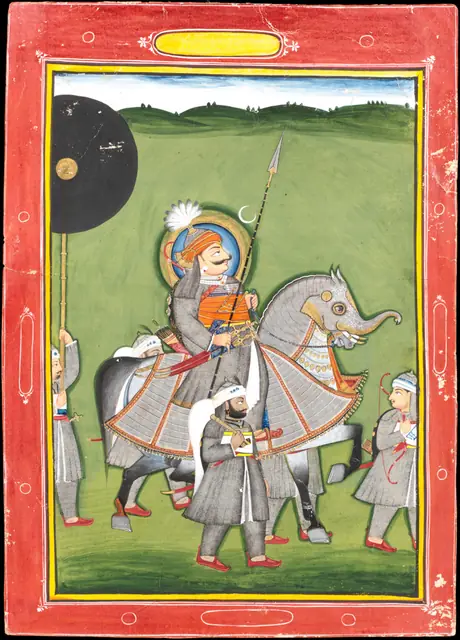
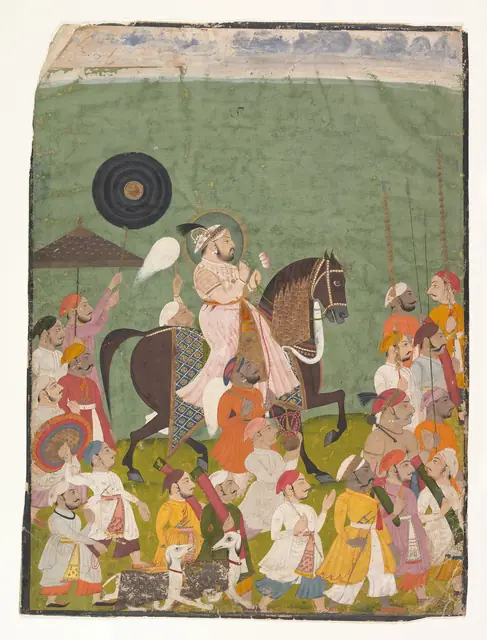
Pratap’s horse Chetak, wounded in the battle, carried him out of the fight and fell near Balicha; a small chhatri marks the place. The Mughals held the field but did not get Pratap, and Mewar fought on for twenty years. The Government of India commissioned the Maharana Pratap National Memorial at Haldighati in 1997, and it opened in 2009 with a bronze statue of the Maharana on Chetak. A museum near the pass tells the battle in figures and scenes, and the villages around still dig up arrowheads. Every June the day is kept at Rakt Talai.
The life of this place
- 18 June 1576Maharana Pratap fights Man Singh’s Mughal army here; Chetak falls near Balicha.
- June 2009The Maharana Pratap National Memorial opens.
About 40 km north of Udaipur on the Nathdwara side; see the pass, Chetak’s chhatri and Rakt Talai in one morning.