01Chhatrasal’s capital
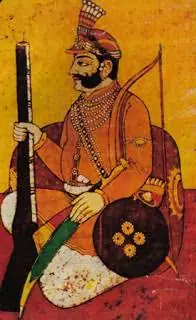
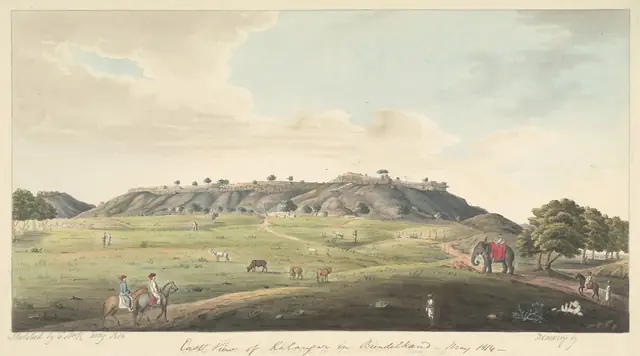
Chhatrasal, son of Champat Rai, left Mughal service in the early 1670s and, on Shivaji’s counsel, went home to raise Bundelkhand. With a few horsemen he grew into a power the Mughal governors could not crush, and he made Panna, a Gond town on the plateau above the Ken, his seat. Mahamati Prannath came to him in the 1680s, blessed his rule and, the Pranami tradition says, showed him where the diamonds lay; the mines paid for Chhatrasal’s wars. In 1729, besieged at Jaitpur by Muhammad Khan Bangash, the old king wrote to Bajirao I, and the Peshwa’s cavalry relieved him. Chhatrasal died in 1731, and his sons held Panna as a state that lasted until 1948.
02Diamonds and temples
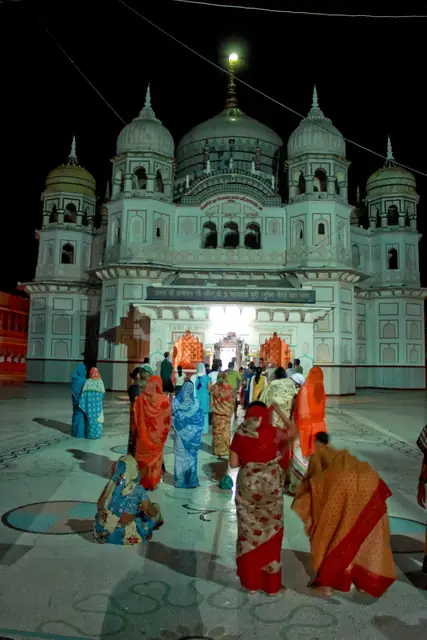
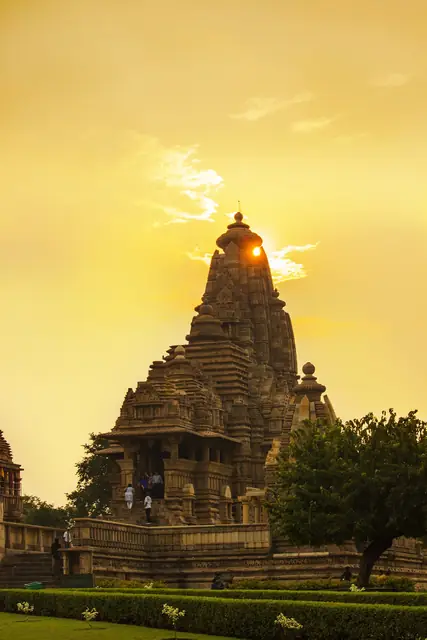
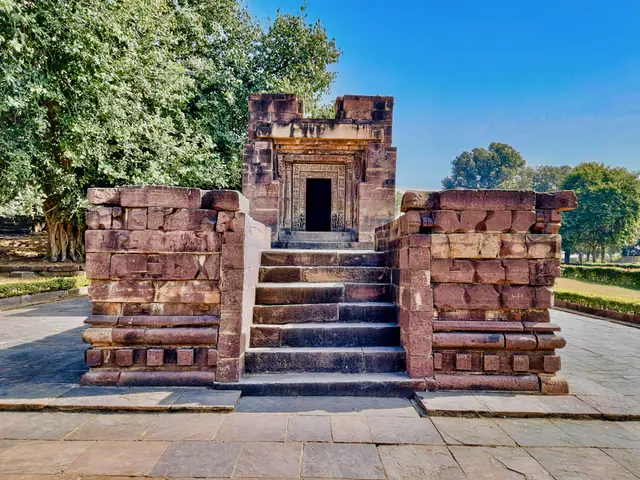
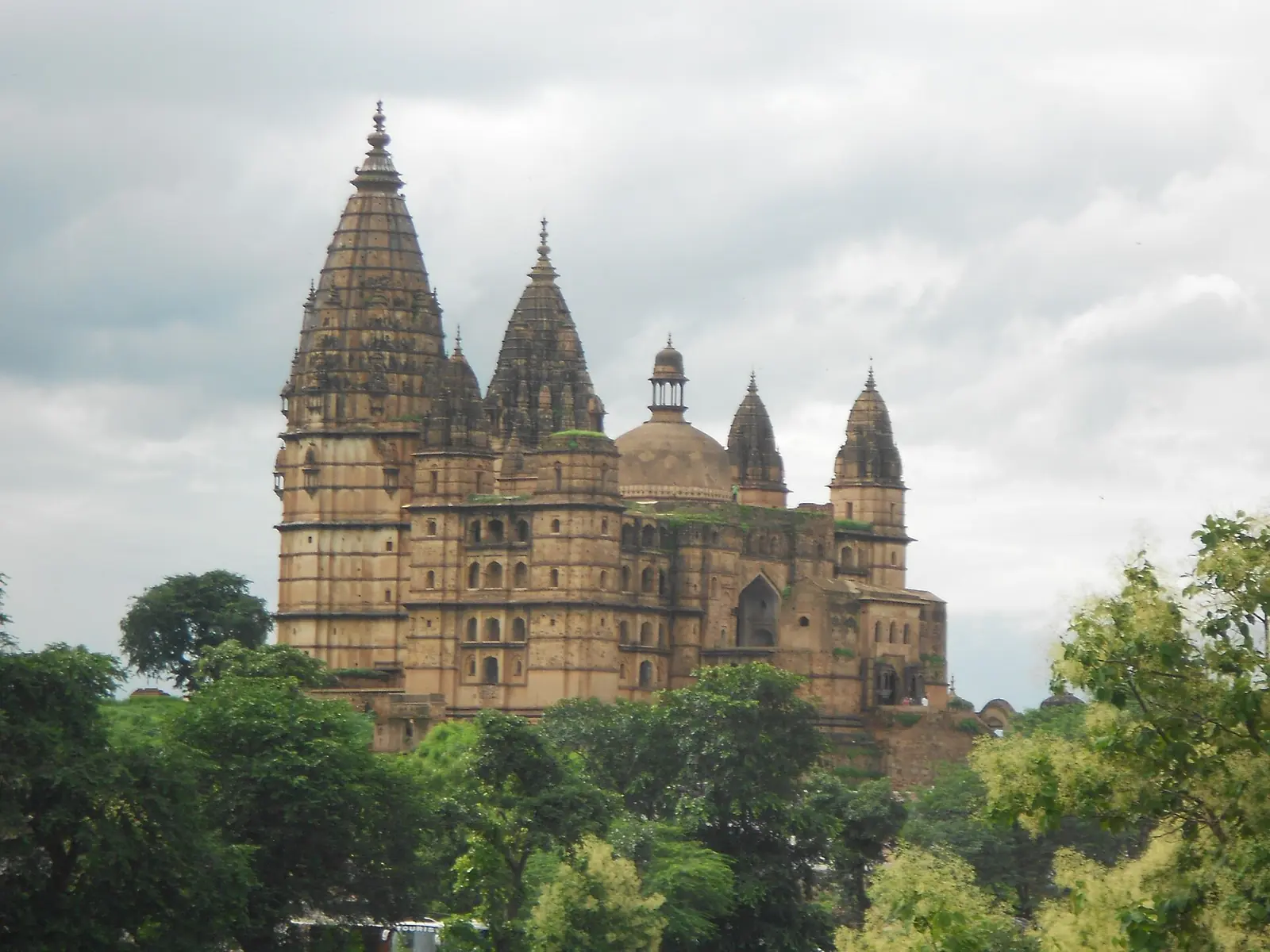
Panna is still India’s only working diamond field; the National Mineral Development Corporation runs the mine at Majhgawan, and small diggers lease plots and bring their stones to the government diamond office. The town’s skyline is its temples: the domed Prannath temple, the Padmavati Puri Dham of the Pranamis; the Jugal Kishore temple of Shri Krishna built by the Bundela kings; and the Baldevji temple, built in the nineteenth century on a European-looking plan. The Panna tiger reserve covers the gorges of the Ken to the south.
The life of this place
- 1670s–1680sChhatrasal makes Panna the capital of his Bundela kingdom.
- 1694Mahamati Prannath attains samadhi at Panna.
- 1729Bajirao I relieves Chhatrasal from Bangash’s siege at Jaitpur.
- 1731Chhatrasal dies; Panna continues as a Bundela state.
- 1948Panna state merges into Vindhya Pradesh.