01Lachit takes Itakhuli, 1667
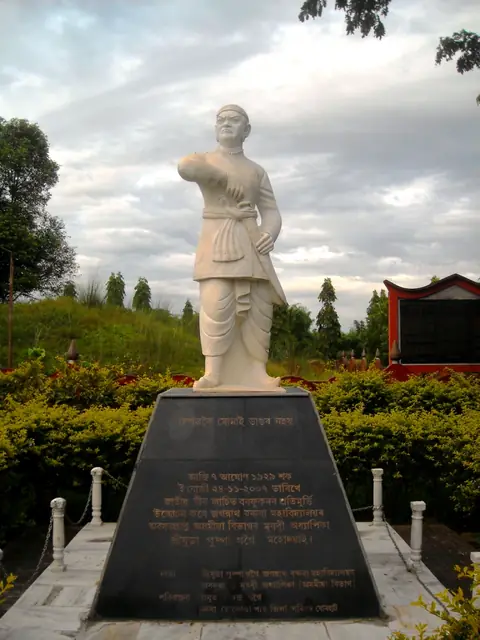
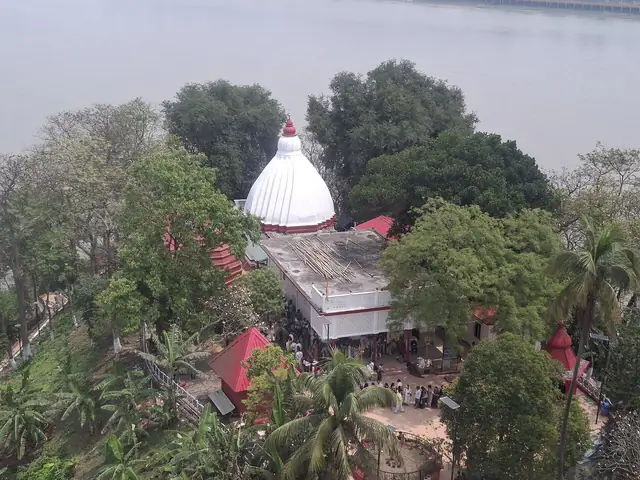
After Mir Jumla’s treaty of 1663 the Mughal faujdar at Guwahati held the river front from the fort on Itakhuli hill, which commanded the narrows of the Brahmaputra. In August 1667 the Ahom king Chakradhwaj Singha sent Lachit Borphukan down the river with an army and a fleet. After a series of fights on both banks, Lachit took Itakhuli in November 1667, and the Mughals were cleared out of Guwahati as far as the Manas. When Raja Ram Singh of Amber came to win it back, the Ahom defence rested on the hills of Kamakhya and Itakhuli on one bank and Aswakranta on the other, and in March 1671 the battle of Saraighat was fought in the water between them.
02The last Mughal stand, 1682
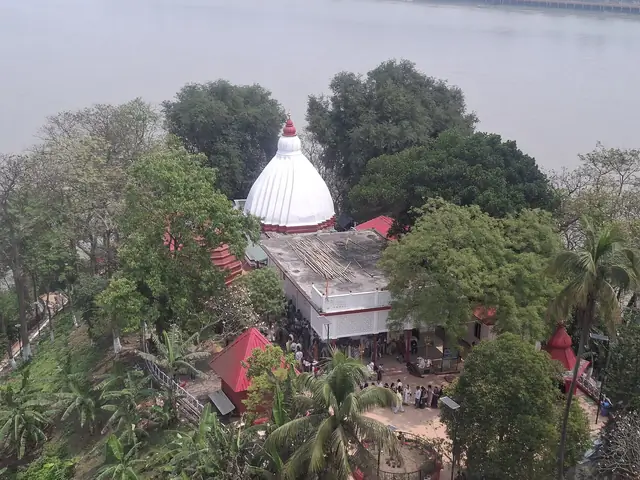
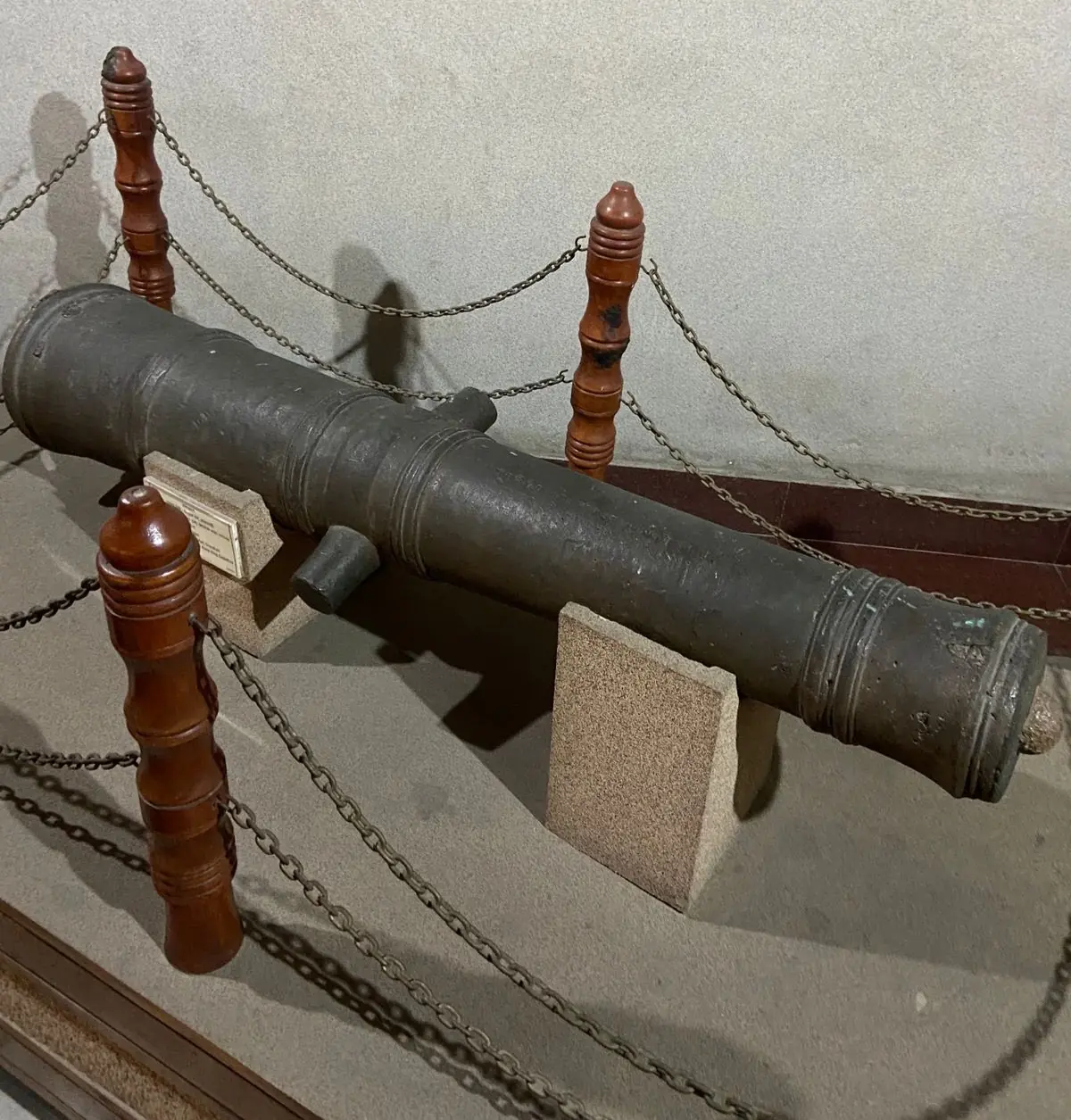
In 1679 the Ahom viceroy at Guwahati gave the city back to the Mughals, and Itakhuli became their fort again. When Gadadhar Singha came to the throne in 1681 he prepared a war to recover it. His armies came down both banks in the summer of 1682. The Mughal commander Ali Akbar attacked the Ahom post at Sarania and was beaten back; after a naval defeat at Paniduar in August 1682 he abandoned Itakhuli at dawn and slipped away downriver by boat. The Ahoms pursued the retreating force to the Manas and never lost Guwahati again. Cannon taken that day are still shown in Assam. Later the Ahom kings raised the Sukreswar Shiva temple on the hill, with ghats leading down to the river.
The life of this place
- November 1667Lachit Borphukan takes Itakhuli and clears Guwahati of the Mughals.
- March 1671The battle of Saraighat is fought below the hill.
- 1679Guwahati and Itakhuli pass back to the Mughals.
- August 1682The Mughal garrison abandons Itakhuli to Gadadhar Singha’s army.