01A capital in the hills
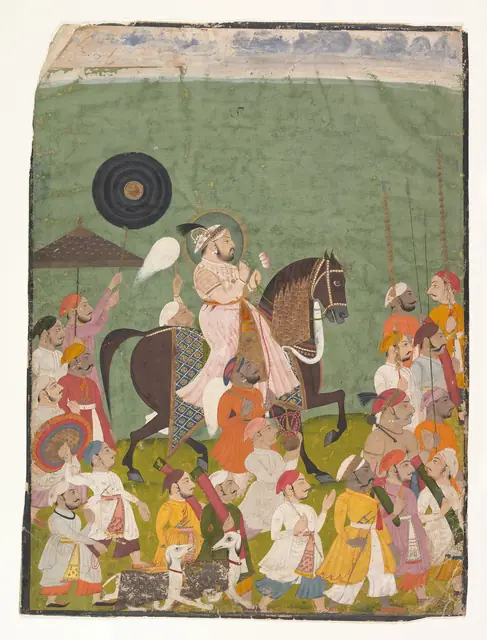
Udai Singh II chose a valley ringed by the Aravallis beside Lake Pichola, a lake made in the 14th century, and began building here in 1559. Nine years later Akbar took Chittor after the third saka, and Udaipur became the capital. Maharana Pratap fought on from the hills to the west, and his successors held out until Amar Singh made terms with Jahangir in 1615 without ever attending the Mughal court in person. The Mewar rulers called themselves only the diwan, the minister, of Eklingji, Bhagwan Shiva, whose temple lies 22 km north at Kailashpuri, a custom traced to Bappa Rawal.
02Jagdish temple and 1680
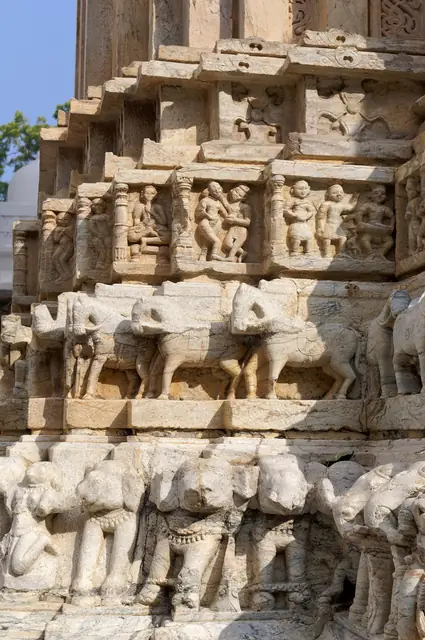
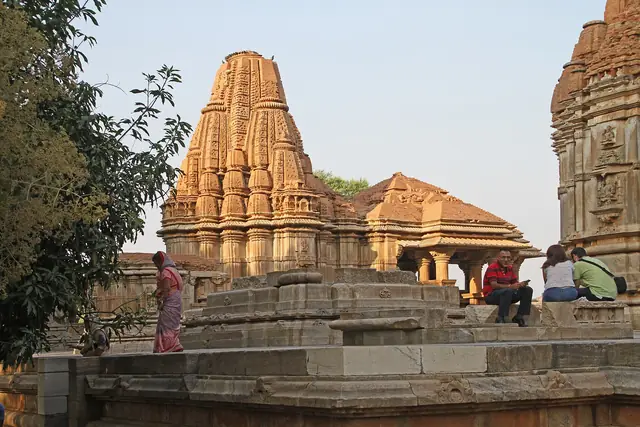
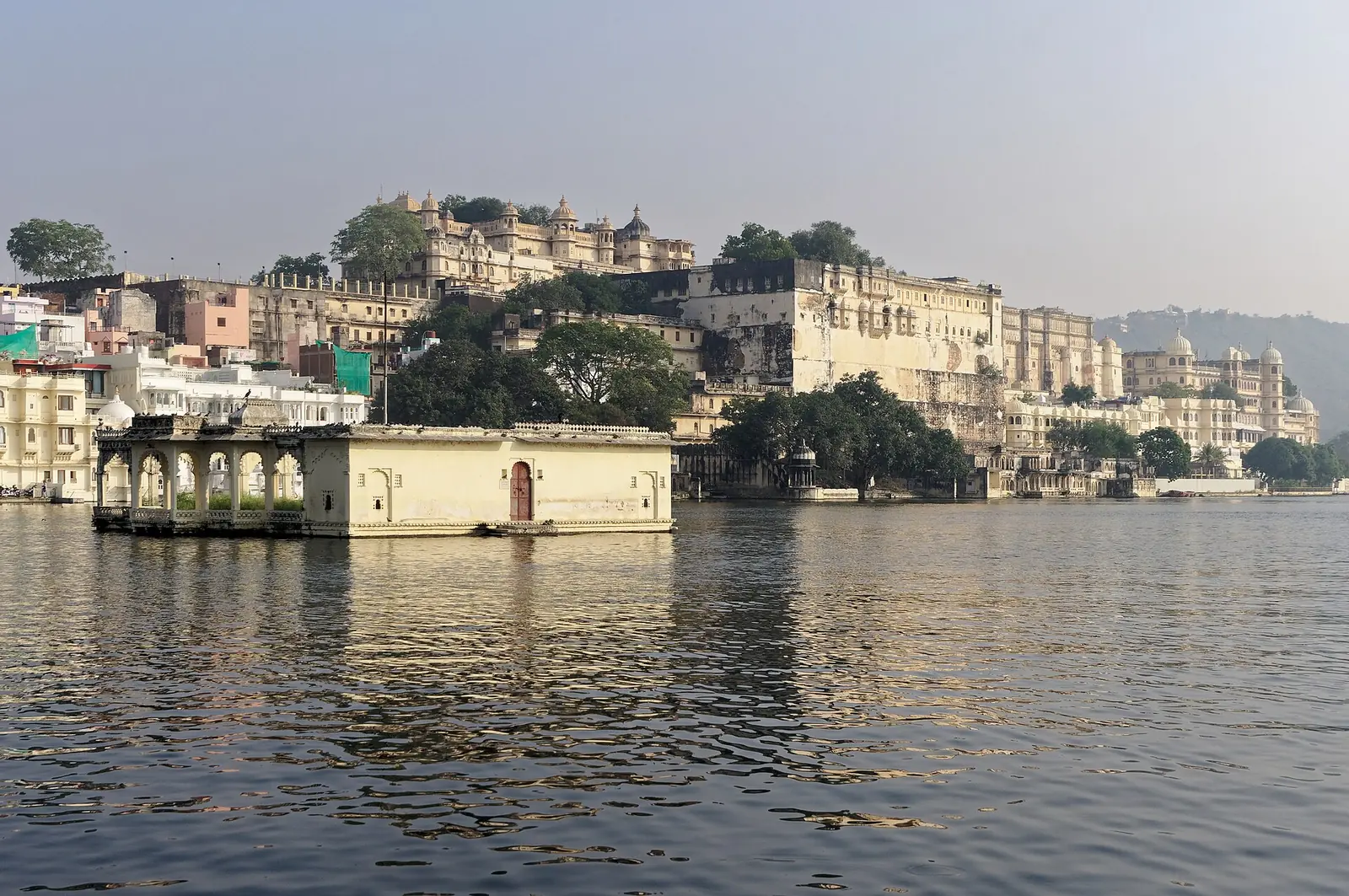
Maharana Jagat Singh I built the Jagdish temple of Bhagwan Vishnu beside the palace in 1651, raised high on a plinth and covered with carving. When Aurangzeb’s war on Mewar came in 1679–80, Mughal armies entered the valley. The Maasir-i-Alamgiri records that in January 1680 his officers demolished the great temple facing the Rana’s palace, where a band of Rajputs died defending it, and that 172 temples in the environs of Udaipur were destroyed. The Jagdish temple was repaired and worship resumed, and it still stands. The City Palace grew over three centuries, and the white palaces on the islands of Pichola were added in the 17th and 18th centuries.
The life of this place
- 1559 CEMaharana Udai Singh II founded Udaipur.
- 1568 CEAfter Akbar took Chittor, Udaipur became the capital of Mewar.
- 1651 CEMaharana Jagat Singh I built the Jagdish temple.
- January 1680Mughal officers demolished the temple before the palace and temples around the city (Maasir-i-Alamgiri).
The City Palace museum and Jagdish temple are a short walk apart in the old city; Eklingji and Nathdwara are easy day trips.