01Ramdaspur
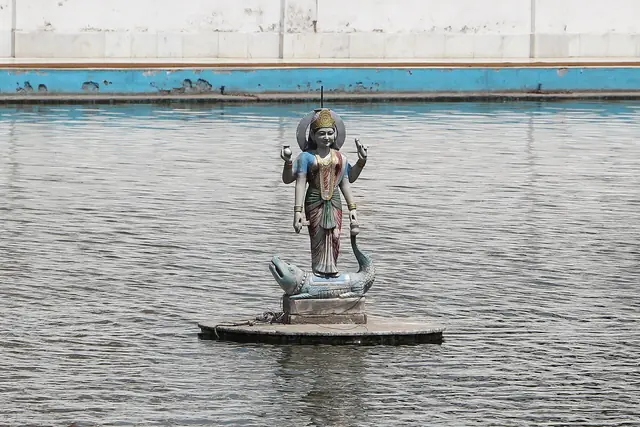
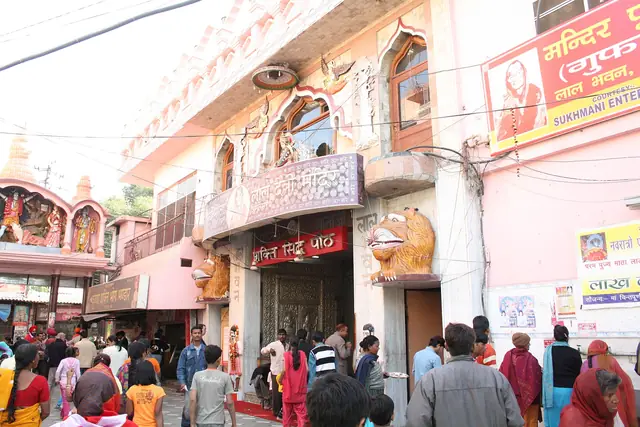
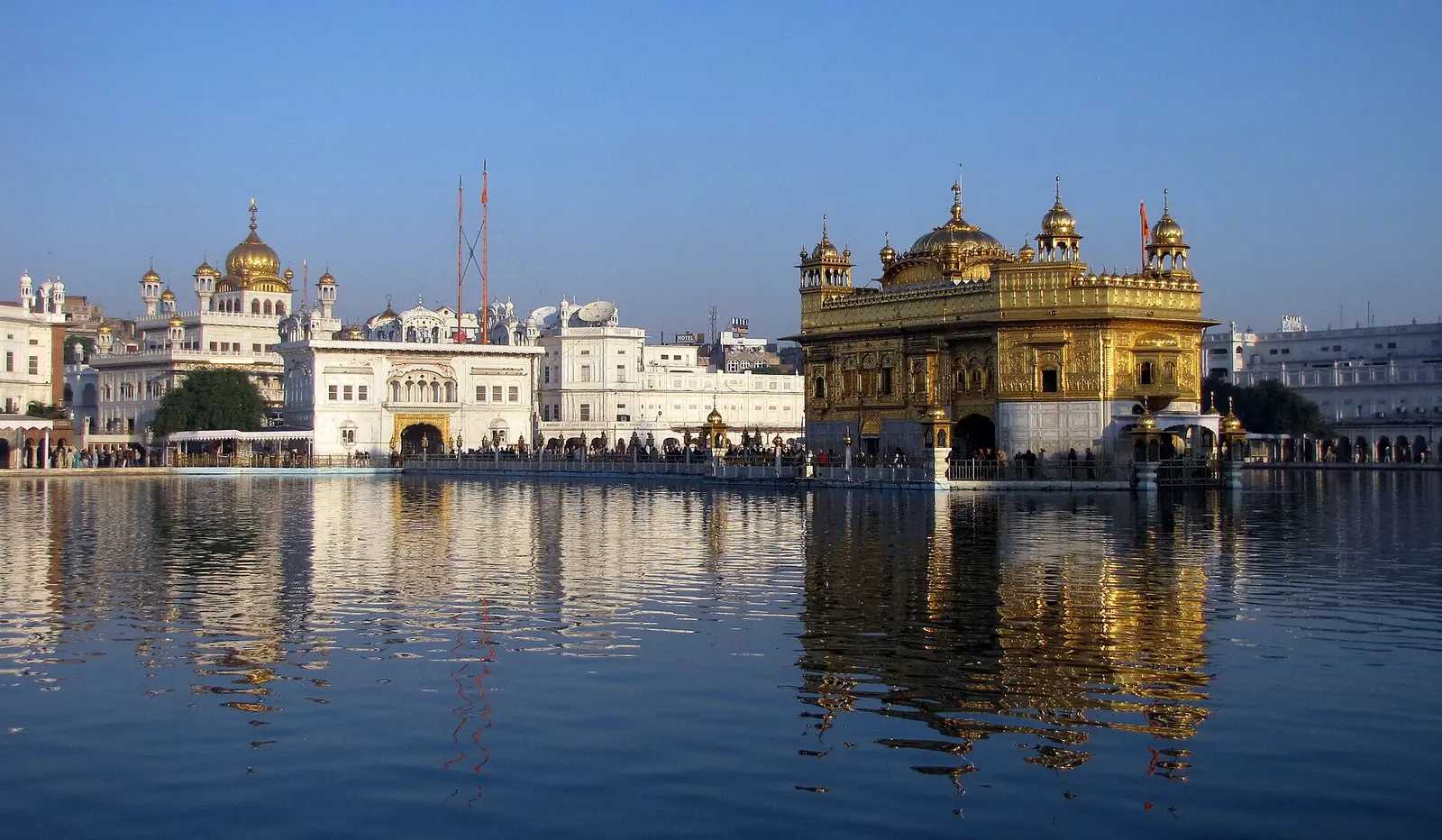
Guru Ram Das began digging the sarovar around 1577 and the town that grew around it was first called Ramdaspur, or Chak Guru. His son Guru Arjan Dev built the Harmandir Sahib in the middle of the pool, with doors on all four sides, and installed the Adi Granth in it in 1604. Guru Hargobind raised the Akal Takht opposite it in 1606, a throne for worldly matters facing the house of God. An older layer of memory sits on the edge of the city: Ram Tirath, where the Valmiki ashram is said to have stood, and where Mata Sita gave birth to Lava and Kusha. The Durgiana temple, rebuilt in 1921 in the style of the Harmandir, keeps Hindu worship at the city’s heart.
02Abdali, Ranjit Singh, 1919
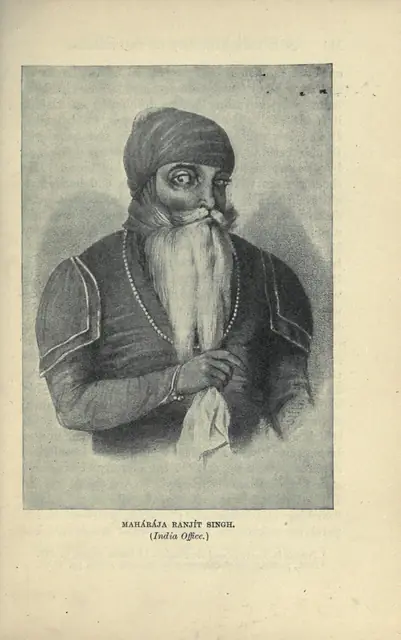
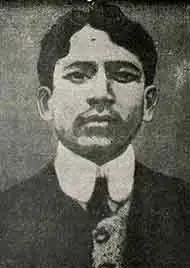
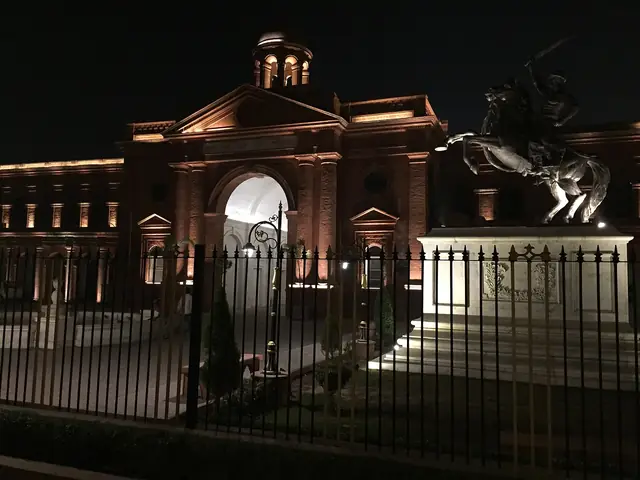
Ahmad Shah Abdali’s forces desecrated the Harmandir in 1757; Baba Deep Singh, at the age of about seventy-five, marched to free it and fell fighting. In 1762, after the slaughter of the Vadda Ghallughara, Abdali blew up the Harmandir with gunpowder and filled the sarovar with debris. The misls rebuilt it from 1764. Maharaja Ranjit Singh covered its upper storeys with gilded copper, which gave it the name Golden Temple. On 13 April 1919, Baisakhi, General Dyer’s troops fired on an unarmed crowd in the Jallianwala Bagh nearby and killed hundreds. In June 1984 the army’s Operation Blue Star against armed militants inside the complex badly damaged the Akal Takht.
The life of this place
- c. 1577Guru Ram Das begins the sarovar and the town of Ramdaspur.
- 1604Guru Arjan Dev installs the Adi Granth in the completed Harmandir Sahib.
- 1606Guru Hargobind founds the Akal Takht.
- 1757Abdali’s forces desecrate the Harmandir; Baba Deep Singh falls fighting to free it.
- 1762Abdali blows up the Harmandir and fills the sarovar.
- 1764The Sikh misls begin rebuilding the Harmandir.
- 13 April 1919The Jallianwala Bagh massacre.
- 1921The Durgiana temple is rebuilt.
- June 1984Operation Blue Star; the Akal Takht is damaged and later rebuilt.
Cover your head and leave shoes at the gate; the langar feeds everyone who comes, day and night. The Wagah border is 30 km west.