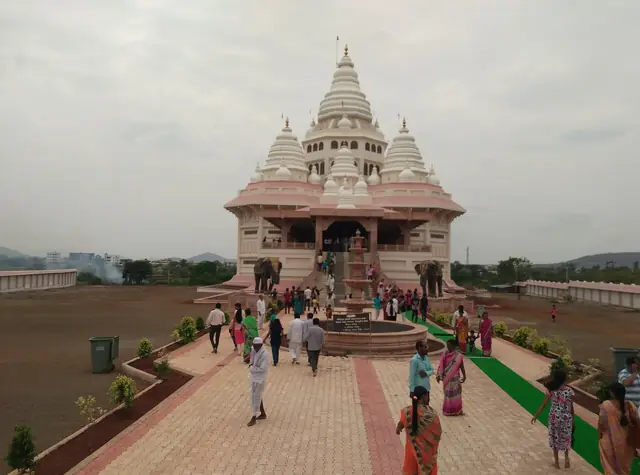
01Famine and the hill
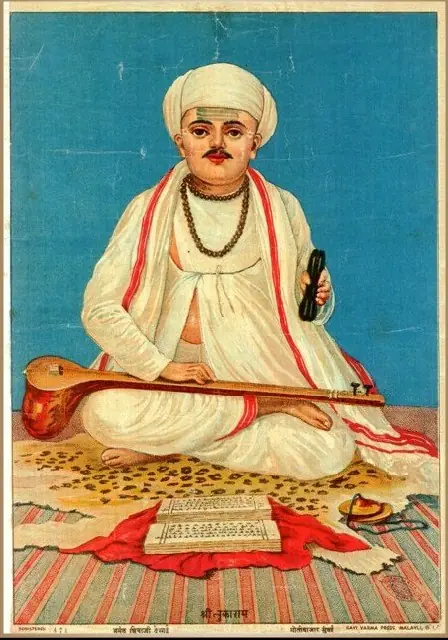
His family kept a shop in Dehu on the Indrayani and were devotees of Vitthal for generations. The famine of 1630–31 took his first wife and a son, and his trade failed. He climbed the Bhandara hill above the village, sat there reading the Jnaneshwari and the Eknathi Bhagavat, and began to sing. His abhangas are short, blunt and full of the village: debts, cattle, a quarrelsome wife, a hard-hearted priest, and always Vitthal standing on the brick at Pandharpur with his hands on his hips.
02The notebooks in the river
A learned man of the area, Rameshwar Bhatt, objected that a shopkeeper had no right to put the Vedas’ meaning into Marathi and had his notebooks sunk in the Indrayani. Tukaram sat fasting on the bank. The Varkari account says that on the thirteenth day the notebooks rose, dry. Rameshwar Bhatt became his follower. Tradition also tells that Chhatrapati Shivaji came to hear his kirtan and that Tukaram sent back the gifts he offered. On Phalguna Vadya Dwitiya, 1650, he was seen no more.
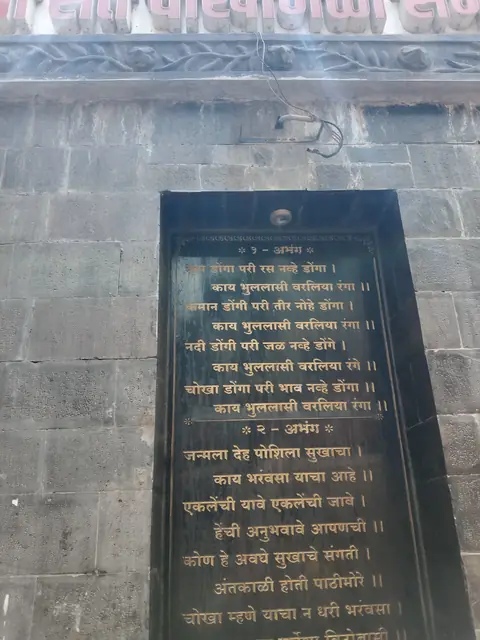
“Trees and creepers are our kin, and so are the creatures of the forest; the birds too sing to us in sweet voices.”
Tukaram Gatha, abhang “Vrikshavalli amha soyari”