01Ramdas on the hill
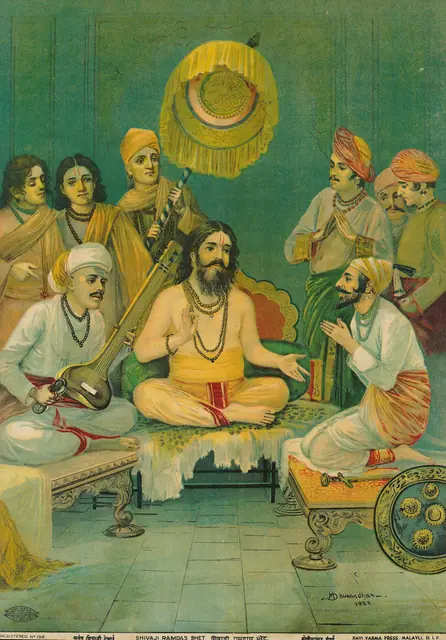
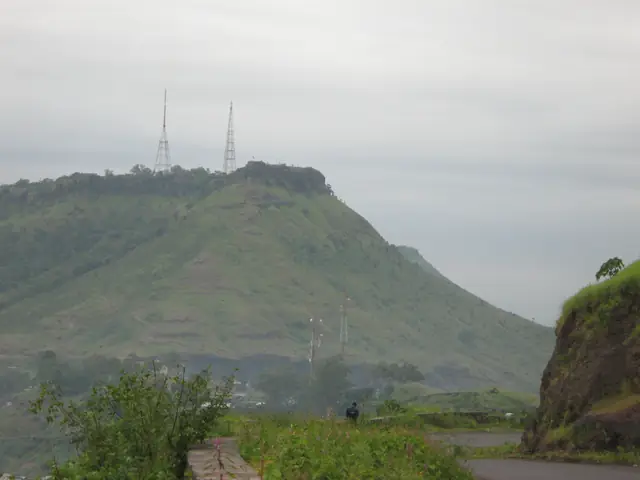
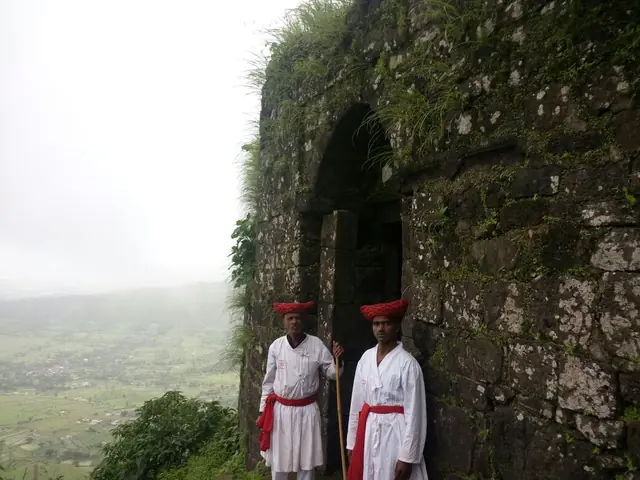
Samarth Ramdas, the Rama-bhakta of Jamb who had spent twelve years in tapas at Takli and twelve more wandering the land, founded mathas and Hanuman shrines across Maharashtra and wrote the Dasbodh and the Manache Shlok to rouse a people sunk in despair. Shivaji held him in deep reverence. In 1676 Ramdas came to live on the fort of Parali, which Shivaji gave over for his use, and it took the name Sajjangad. Here he spent his last years among his disciples. He took samadhi on Magh Vadya Navami, Shaka 1603, early in 1682, two years after Shivaji. The day is kept every year as Dasnavami.
02The samadhi mandir
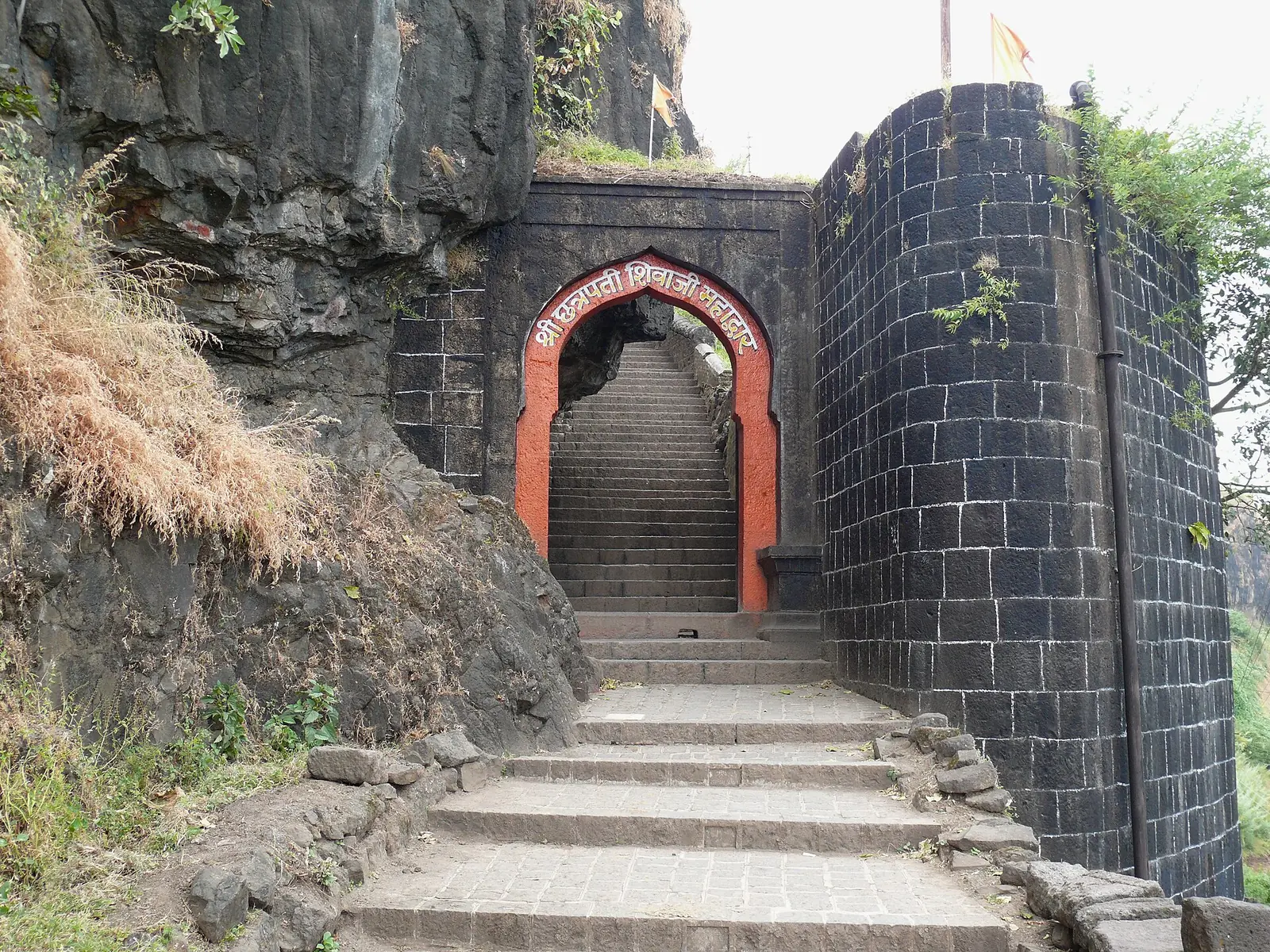
The samadhi lies in a crypt beneath the Shri Ram mandir, whose images of Rama, Lakshmana and Sita are said to have been made at Tanjore and sent to Ramdas. His personal things are kept in the math: his staff, his water pot, the wooden cot he slept on. The fort was taken by Aurangzeb’s army in 1700 during the long Deccan war, and Persian inscriptions of that time remain on its walls; the Marathas regained it within a few years. Pilgrims climb the steps from the road past the Shivaji Mahadwar, and the Ramdasi samarth seva mandal keeps up the daily worship and feeds visitors.
The life of this place
- 1676Samarth Ramdas settles on the fort of Parali, renamed Sajjangad.
- 1682 (Magh Vadya 9, Shaka 1603)Samarth Ramdas takes samadhi at Sajjangad.
- 1700Mughal forces take the fort during Aurangzeb’s Deccan war.
About 16 km from Satara; a road reaches the foot of the last flight of steps. Dasnavami in Magh draws the largest crowds.