01Savadhan
He was born Narayan Suryajipant Thosar at Jamb in the Jalna country. At his wedding the priests called out “Shubh mangal savadhan”, be attentive, at the moment the couple are joined. The boy took the word to heart and ran. At Takli near Nashik he stood daily in the Godavari reciting the Rama mantra for twelve years, then walked across Bharat for twelve more, seeing, his writings say, the hardship of the people under alien rule. He came back to Maharashtra as Ramdas, servant of Rama.
02Maruti shrines and the Dasbodh
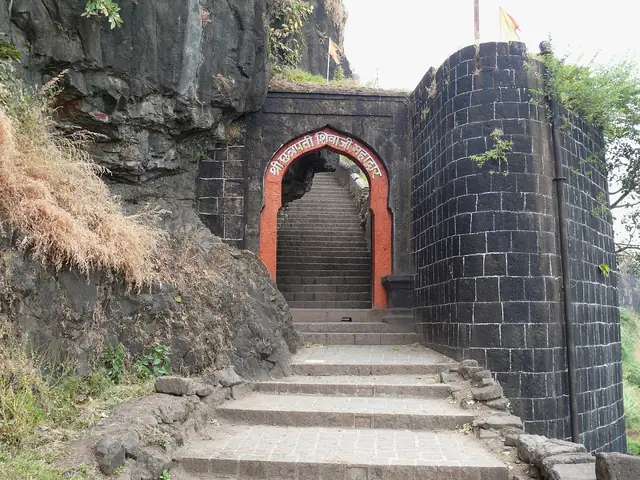
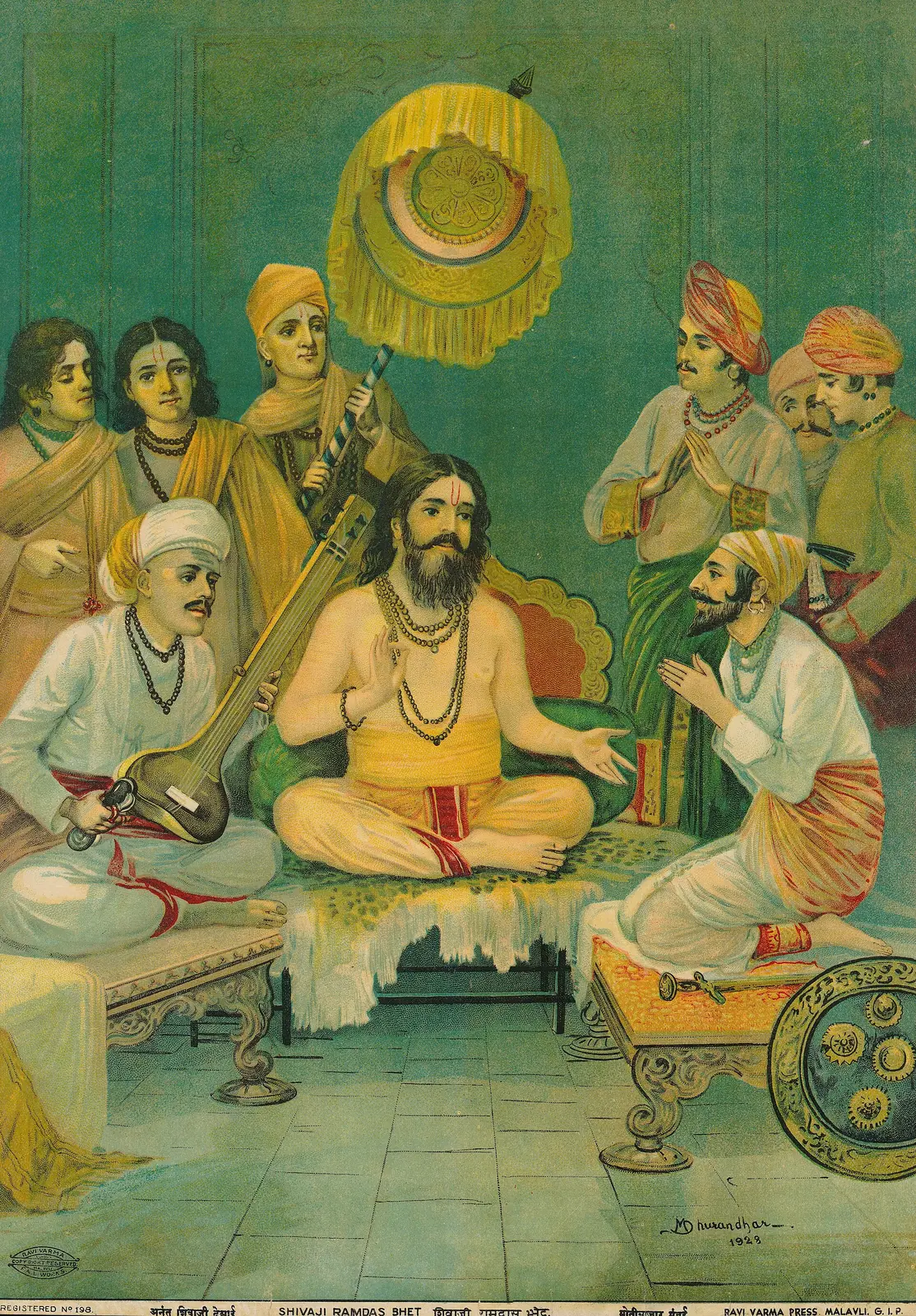
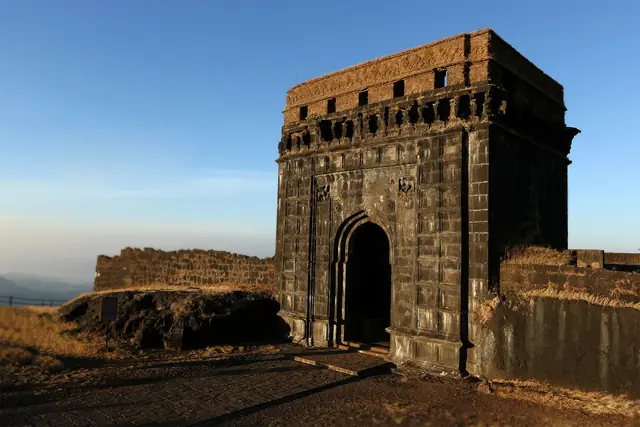
He set up Hanuman temples, the eleven Marutis of the Krishna valley among them, with akharas where young men trained their bodies. His Dasbodh, dictated to his disciple Kalyan Swami, runs to twenty dashakas on devotion, knowledge and practical conduct; the Manache Shlok, 205 verses addressed to the mind, are taught to children. The Ganesh aarti “Sukhakarta Dukhaharta” is his. Tradition holds that Chhatrapati Shivaji honoured him as guru; historians debate when they first met. He spent his last years at Sajjangad near Satara and passed away there on Magha Vadya Navami, kept as Dasa Navami.
“Ganadhisha, Lord of all virtues, the root and beginning of the formless: to him I bow.”
Manache Shlok, verse 1