01Ayodhya of the Ikshvakus
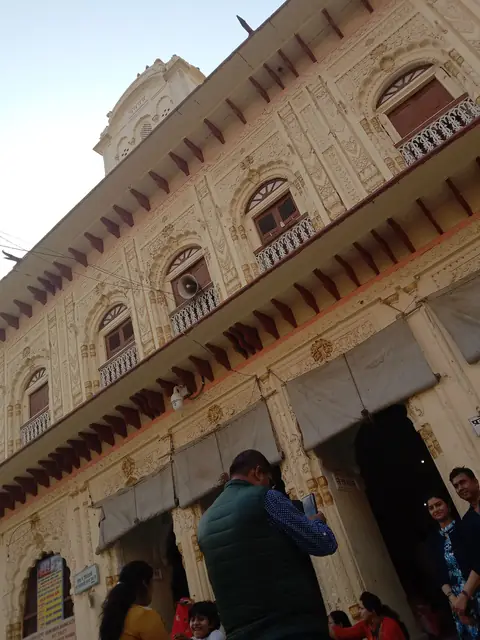
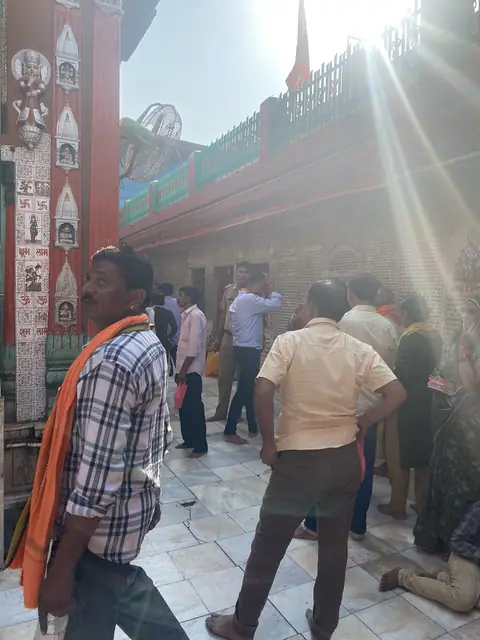
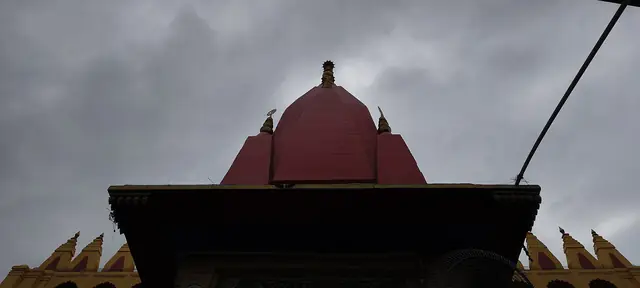
Valmiki opens the Ramayana with Ayodhya on the Sarayu, built by Manu, the city that cannot be conquered, which is what its name means. Here Kaushalya bore Rama to King Dasharatha on Chaitra Shukla Navami, at noon, under Punarvasu nakshatra. Ayodhya is first in the list of the seven moksha-giving cities. Its life is still lived around Rama: Hanumangarhi, where Hanuman guards the city, the Kanak Bhawan given to Sita, the ghats of the Sarayu where Rama is said to have left the world, and the 14-kos and 84-kos parikramas.
02From 1528 to 1992
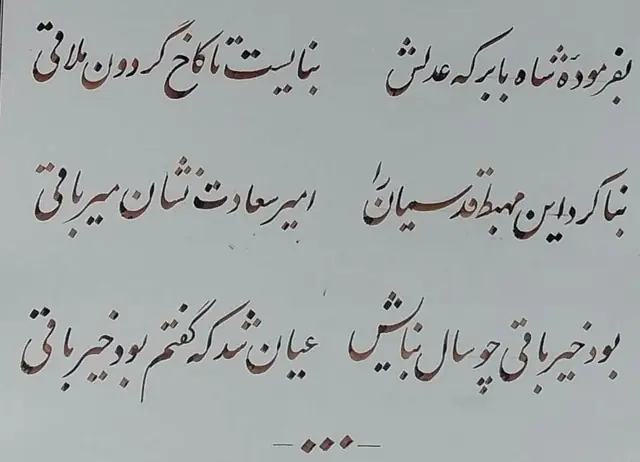
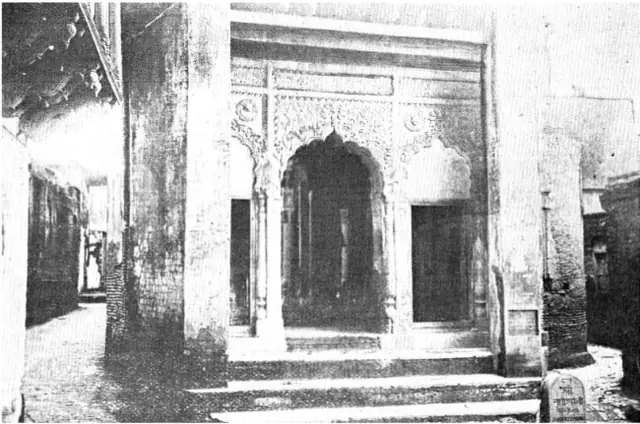
In 1528 Mir Baqi, a commander of Babur, built a mosque on the spot; its inscriptions named him and Babur. Hindus never gave up the site. Clashes are recorded from the 1850s, and in 1859 the British put up a railing separating an inner courtyard from the outer one, where the Ram Chabutra was worshipped. In 1885 Mahant Raghubar Das sued for permission to build a temple on the chabutra and lost. On the night of 22–23 December 1949 murtis of Ram Lalla were placed under the central dome, and the gates were locked. They were opened on 1 February 1986. Kar sevaks were fired upon in Ayodhya in October and November 1990. On 6 December 1992 the structure was pulled down by a crowd of kar sevaks.
03Excavation, judgment and temple
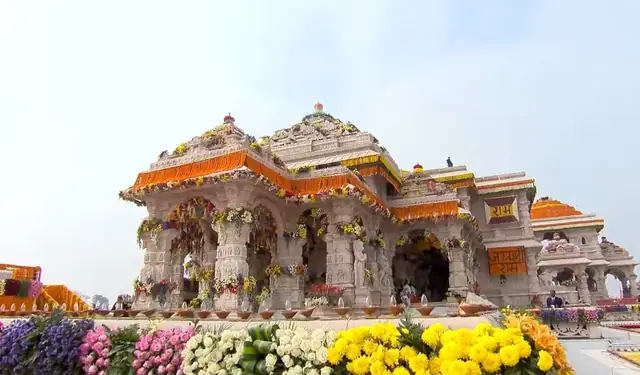
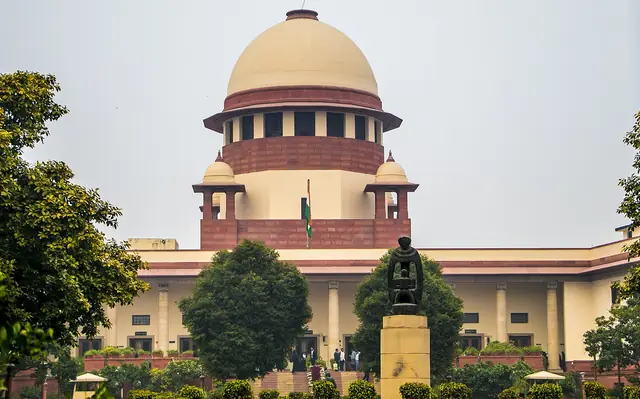
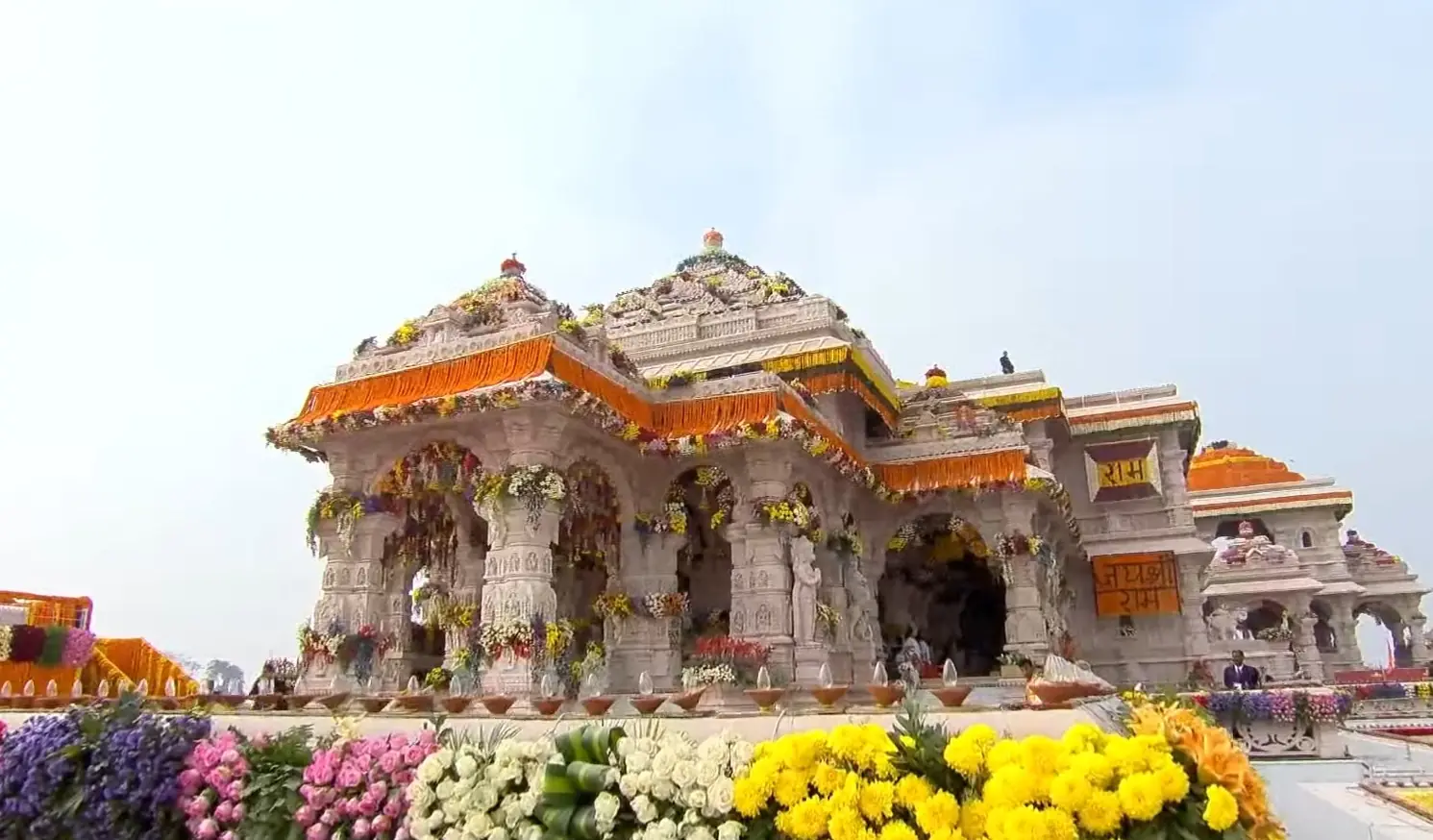
On the Allahabad High Court’s order the Archaeological Survey of India excavated the site in 2003 and reported a large structure beneath the mosque, with rows of pillar bases, which it judged to be of a Hindu religious character. On 9 November 2019 a five-judge bench of the Supreme Court, ruling unanimously, gave the entire disputed land for a temple, to be built by a trust, and directed that five acres elsewhere in Ayodhya be given for a mosque. The bhoomi pujan was performed on 5 August 2020. On 22 January 2024 Ram Lalla, a five-year-old Rama carved in black stone by the Mysuru sculptor Arun Yogiraj, was consecrated in the new Nagara-style temple designed by Chandrakant Sompura.
The life of this place
- 1528Mir Baqi, Babur’s commander, builds a mosque at the site.
- 1859British railing divides the inner and outer courtyards; Hindus worship at the Ram Chabutra.
- 1885Mahant Raghubar Das files the first suit to build a temple on the chabutra.
- 22–23 December 1949Murtis of Ram Lalla placed under the central dome; the gates are locked.
- 1 February 1986The locks are opened by court order.
- 6 December 1992The mosque structure is pulled down by kar sevaks.
- 2003Court-ordered ASI excavation reports a large structure beneath.
- 9 November 2019Supreme Court awards the site for a temple, unanimously.
- 5 August 2020Bhoomi pujan of the new temple.
- 22 January 2024Pran pratishtha of Ram Lalla.
Darshan runs from early morning to night; phones and bags are deposited outside. Ram Navami and Deepotsav at Diwali draw the largest crowds; Ayodhya Dham station and the airport are close.