01Kishkindha on the Tungabhadra
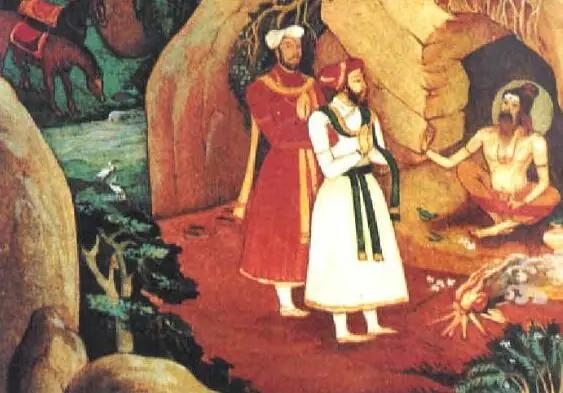
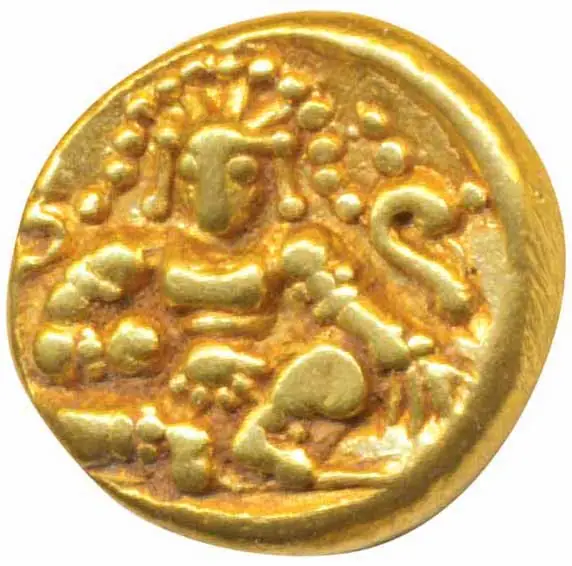
Long before the empire, this was Pampa Kshetra, where Pampa, daughter of Brahma, did tapas to win Shiva as Virupaksha. The boulder hills across the river are Kishkindha of the Ramayana: Anjanadri, held to be the birthplace of Hanuman, Rishyamuka where Sugriva hid from Vali, and Matanga hill. In 1336 the brothers Harihara and Bukka of the Sangama family founded a new capital here on the south bank, and tradition credits the sage Vidyaranya with guiding them. The city grew behind seven rings of walls, with bazaars where, the Portuguese Domingo Paes wrote around 1520, you could buy every sort of jewel. Paes thought it as large as Rome.
02January 1565
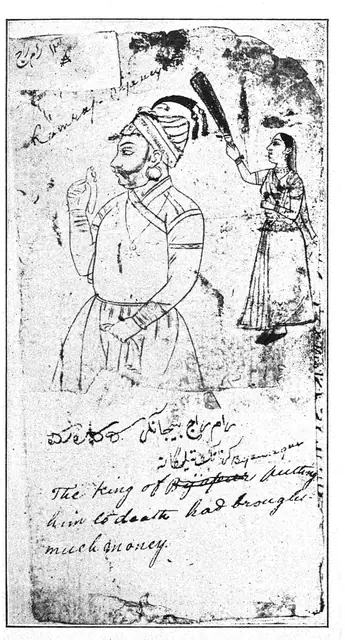
On 23 January 1565 the armies of Vijayanagara under Aliya Rama Raya met the joined forces of the Bijapur, Ahmadnagar, Golconda and Bidar sultanates at Talikota, also called Rakkasa–Tangadi. Two Muslim commanders in Rama Raya’s service turned against him in the battle, the old regent was captured and beheaded, and the army broke. Tirumala Raya fled with the treasury and the puppet king Sadashiva to Penukonda. The victors entered the undefended capital and, as Firishta and the Portuguese chroniclers record, spent months breaking, burning and digging up the city. Robert Sewell, summing up those accounts, wrote that never perhaps in the history of the world had such havoc been wrought so suddenly on so splendid a city.
03The ruins today
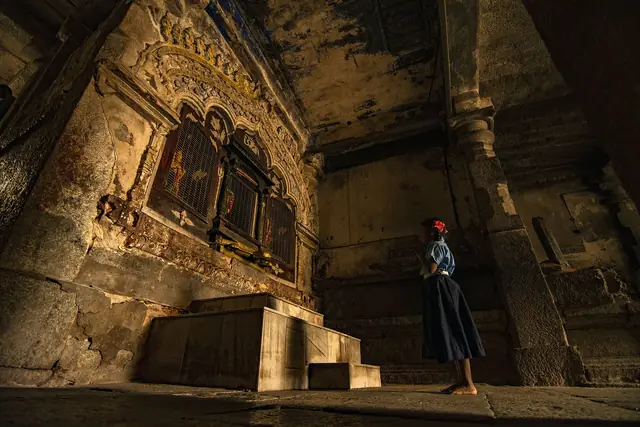
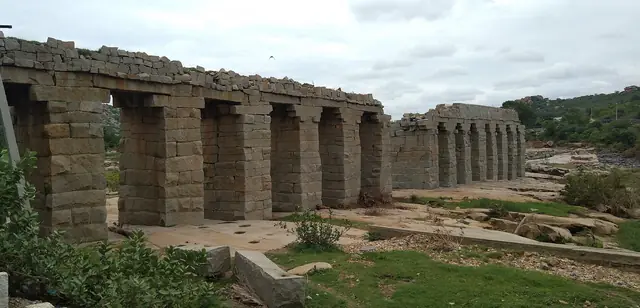
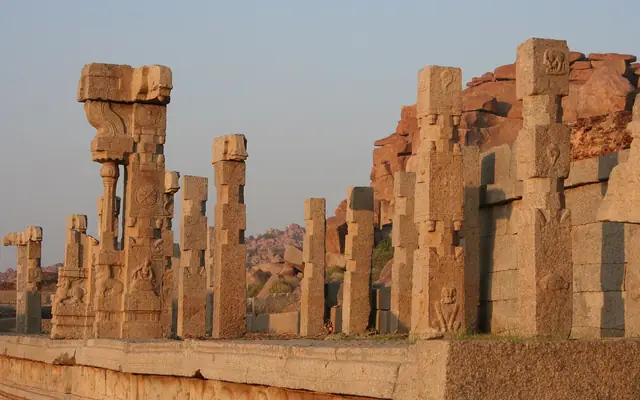
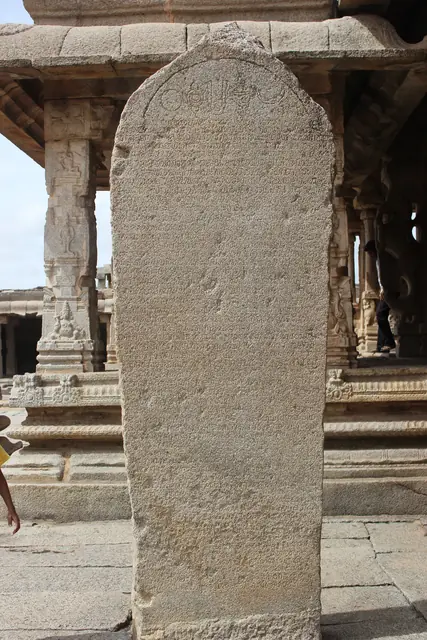
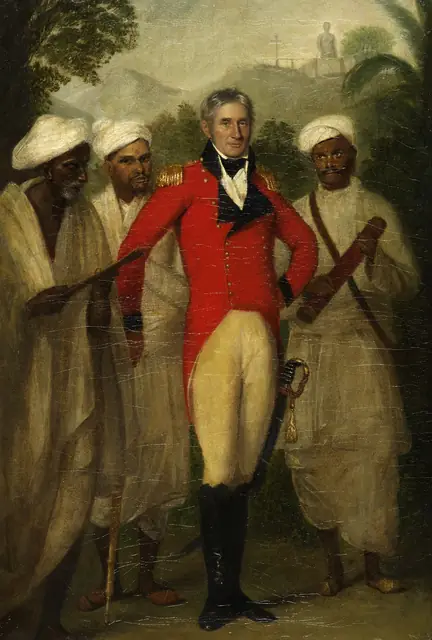
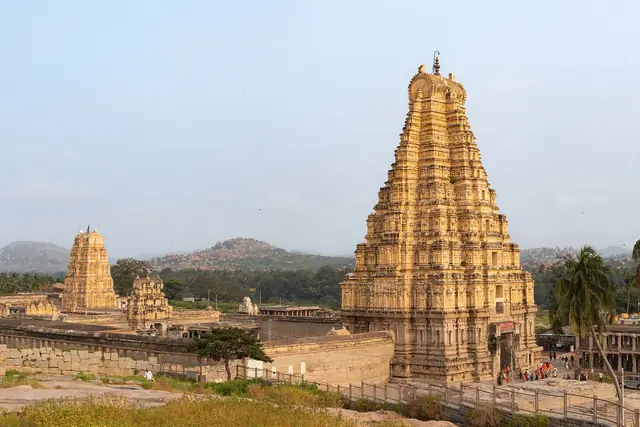
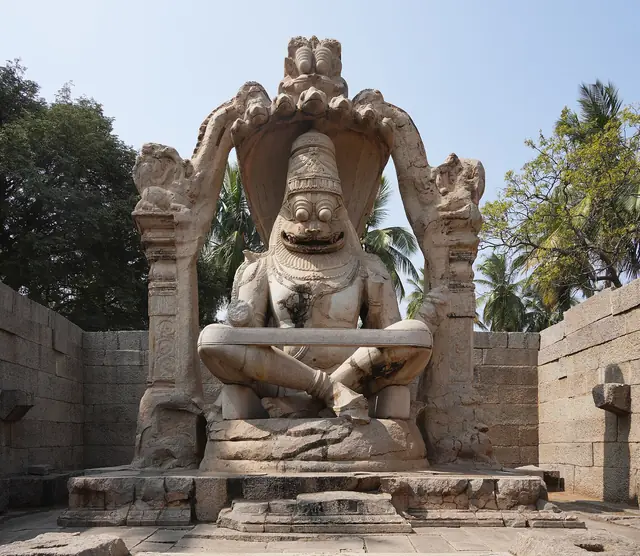
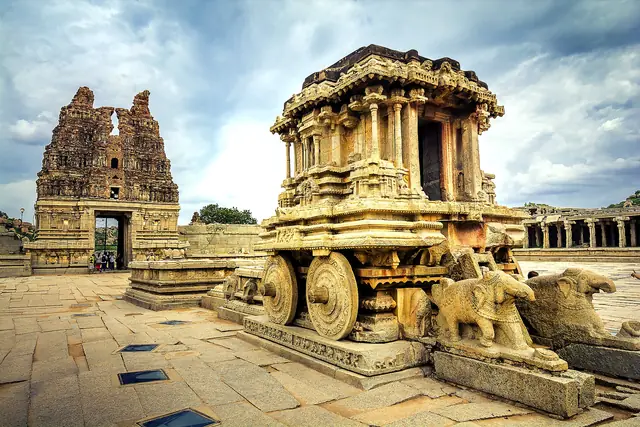
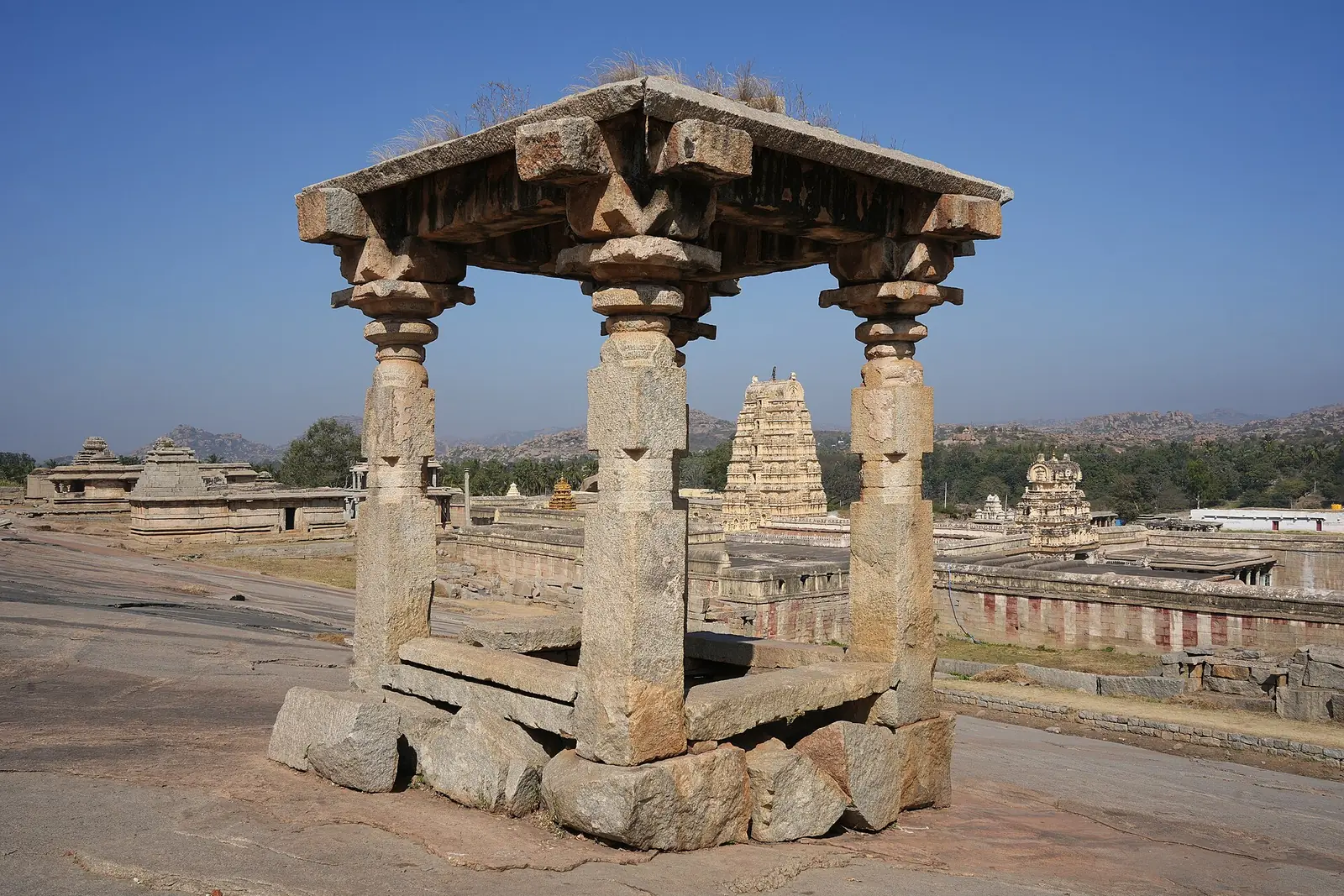
The capital moved to Penukonda and later Chandragiri, and Hampi became a field of ruins over some 26 square kilometres: the Virupaksha temple, still in worship, the Vittala temple with its stone chariot, the Hazara Rama temple in the royal centre, the Mahanavami platform where the kings watched the Navaratri festival, stepped tanks, elephant stables and the Lotus Mahal. Colin Mackenzie surveyed it in 1799. UNESCO listed the Group of Monuments at Hampi in 1986. Pilgrims still come for Pampa–Virupaksha’s wedding festival and to climb Anjanadri.
The life of this place
- 1336Harihara I and Bukka found Vijayanagara.
- 1509Krishnadevaraya is crowned; the city reaches its height under him.
- c. 1520Domingo Paes describes the city.
- 23 January 1565Defeat at Talikota; the capital is sacked for months afterwards.
- 1799Colin Mackenzie surveys the ruins.
- 1986UNESCO World Heritage listing.
Hosapete is the railhead, 13 km away. Give it at least two days; hire a bicycle or auto between the sacred centre and the royal centre.