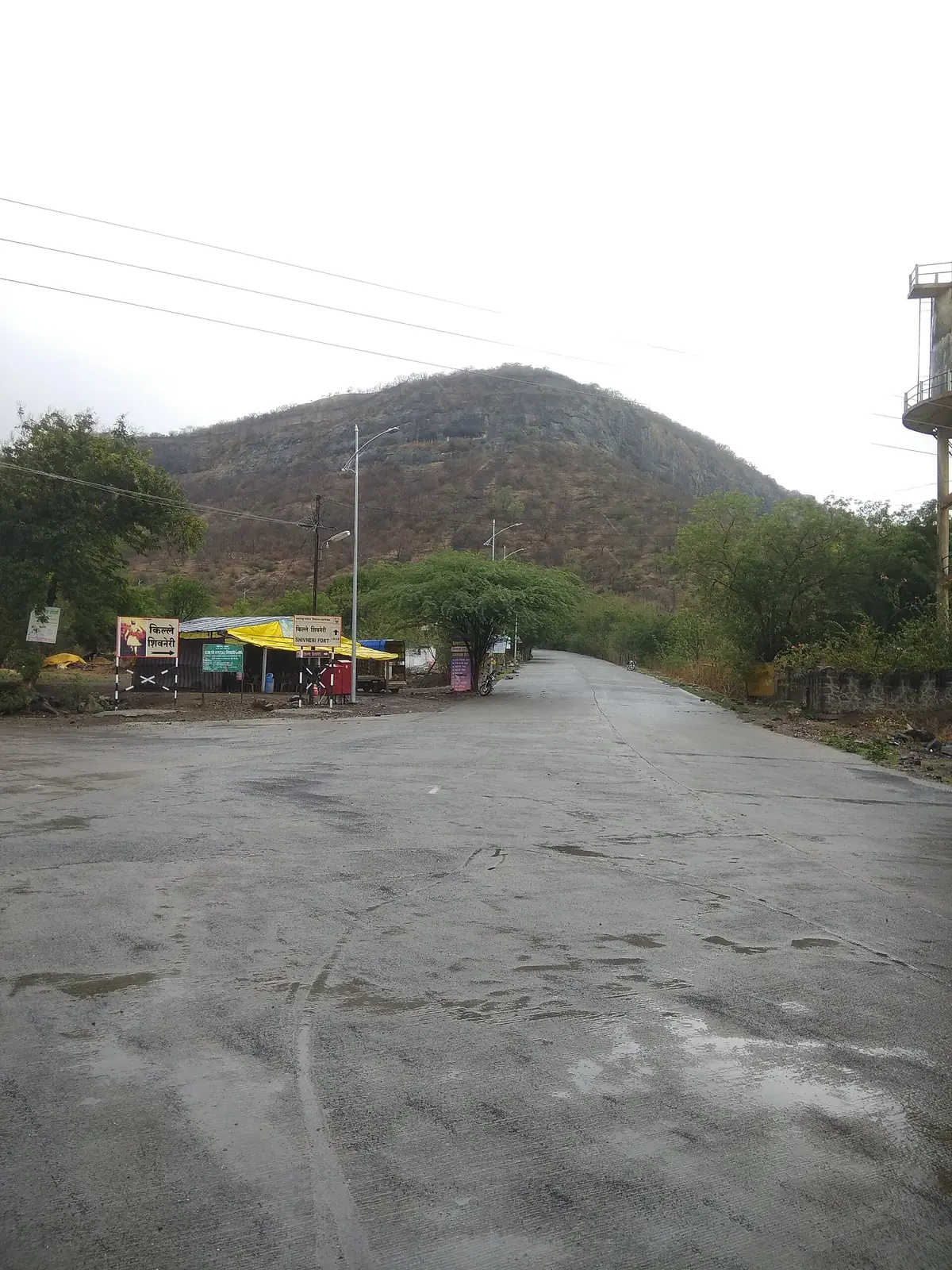
01Born under Shivai
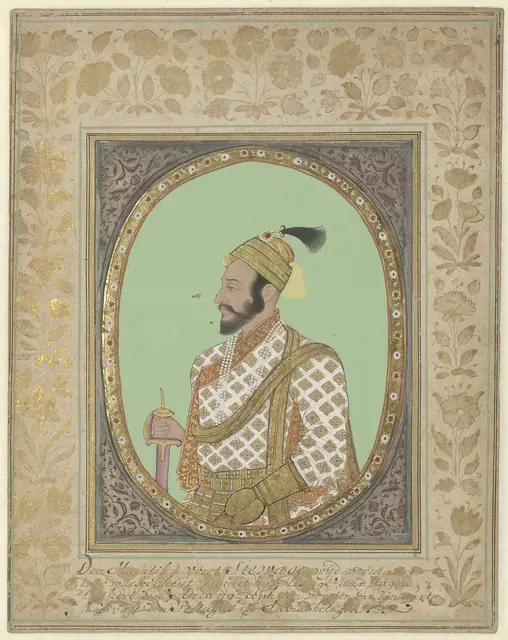
Shahaji Bhosale, serving the Nizamshahi of Ahmadnagar in a time of war, placed his wife Jijabai in the safety of Shivneri. There she gave birth to a son and named him after Shivai Devi, whose small temple stands on the way up. The Maharashtra government keeps the birth date as 19 February 1630; the tithi, Phalguna Vadya Tritiya of Shaka 1551, is also celebrated, and another tradition gives 1627. A two-storey building on the summit, the Shivkunj, marks the birth place, with a statue of Jijabai and the young Shivaji.
02Junnar’s older life
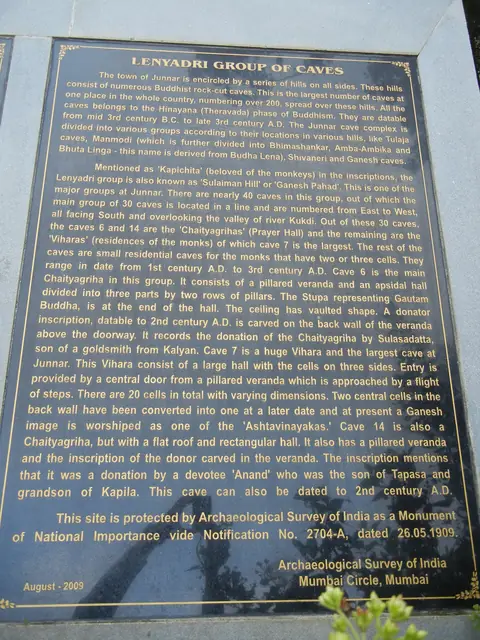
Long before the fort, Junnar was a trading town on the road from the Konkan ports through Naneghat to the Deccan. Buddhist monks cut more than fifty caves into Shivneri’s cliffs, mostly between the 1st century BCE and the 3rd century CE. The walls, seven gates and water cisterns were built up under the Bahmani and Nizamshahi sultans. After the fall of the Nizamshahi the fort went to the Mughals in 1637, and Shivaji never ruled the hill on which he was born.
The life of this place
- c. 1st century BCE – 3rd century CEBuddhist caves are cut into the hill.
- 19 February 1630Shivaji is born on the fort (Maharashtra government date; another tradition says 1627).
- 1637The fort passes to the Mughals after the fall of the Nizamshahi.
Above Junnar town, about 95 km north of Pune. Shiv Jayanti brings a torch-relay crowd; the climb through the seven gates takes under an hour.