01A house set on fire
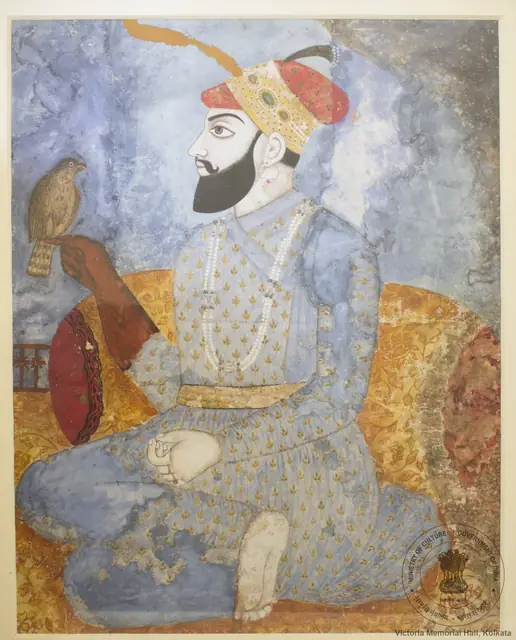
On 11 November 1675 Guru Tegh Bahadur was beheaded at Chandni Chowk on Aurangzeb’s order, for refusing to give up his faith and for standing up for the Kashmiri pandits; the place is now Gurdwara Sis Ganj. Bhai Jaita carried the Guru’s head to Anandpur. That night, in a storm, the carter and contractor Lakhi Shah Vanjara and his sons hid the body in a cart of cotton and carried it to their house in the village of Raisina outside the walled city. Rather than risk a funeral pyre that the guards would see, they laid the body inside and burned the whole house down. The ashes were buried in a pot on the spot.
02Baghel Singh and the new capital
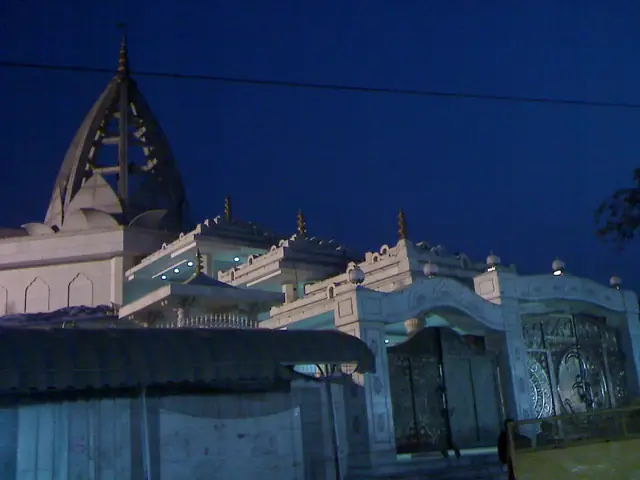
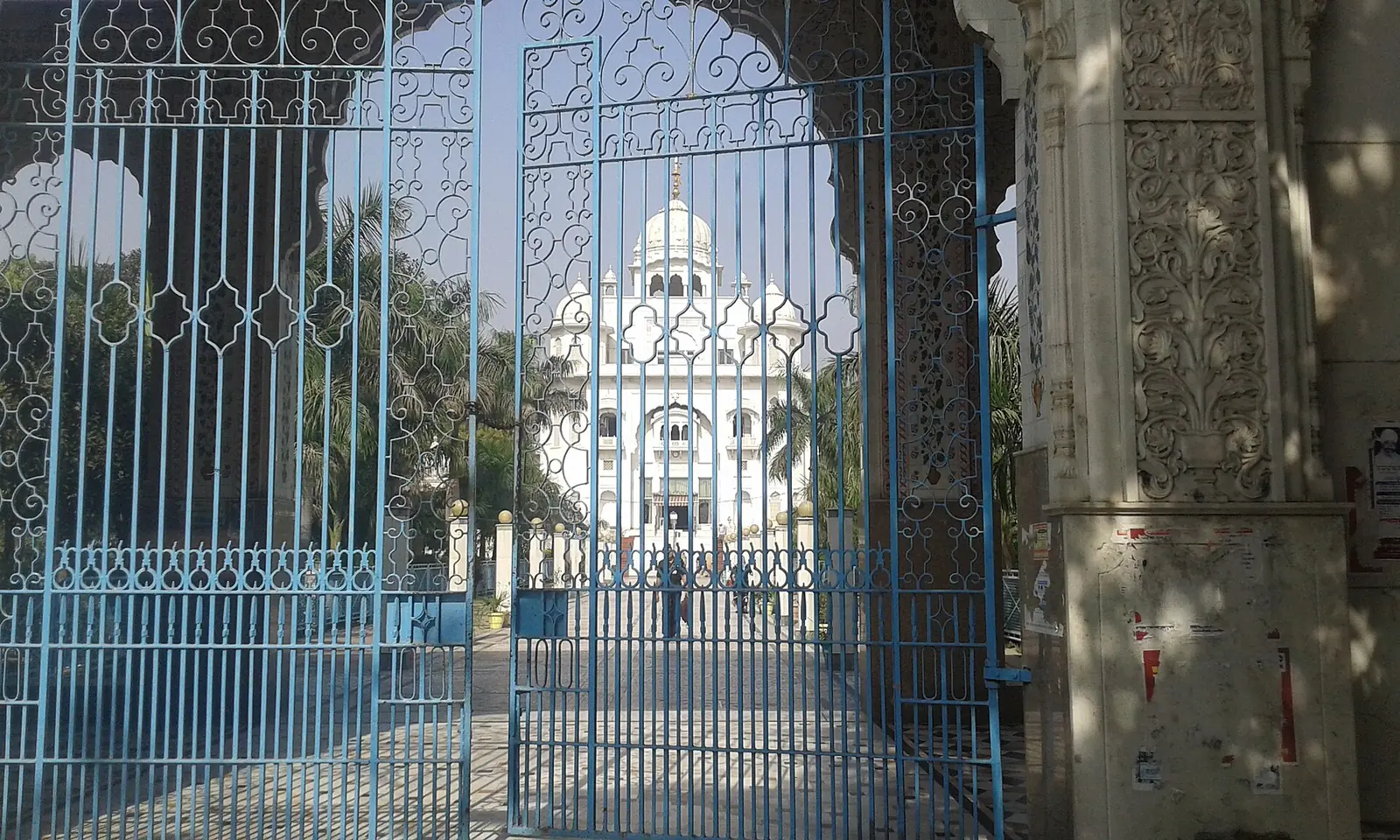
In 1783 the Sikh general Baghel Singh entered Delhi with his army and, by agreement with the Mughal court, marked and built gurdwaras at the places linked with the Gurus, Rakab Ganj among them. When the British built New Delhi around Raisina hill, part of the gurdwara’s outer wall was pulled down in 1913 for a road, and the Sikh protest that followed made the government rebuild it. The present white building with its gilded domes stands across the road from Parliament House, and its langar feeds thousands every day.
The life of this place
- 11 November 1675Guru Tegh Bahadur is martyred; Lakhi Shah Vanjara cremates his body by burning his house at Raisina.
- 1783Baghel Singh builds the gurdwara.
- 1913Part of the wall is demolished for New Delhi; Sikh protest follows and it is rebuilt.
On Pandit Pant Marg opposite Parliament House; heads covered inside.