01Twelve years at the sangam
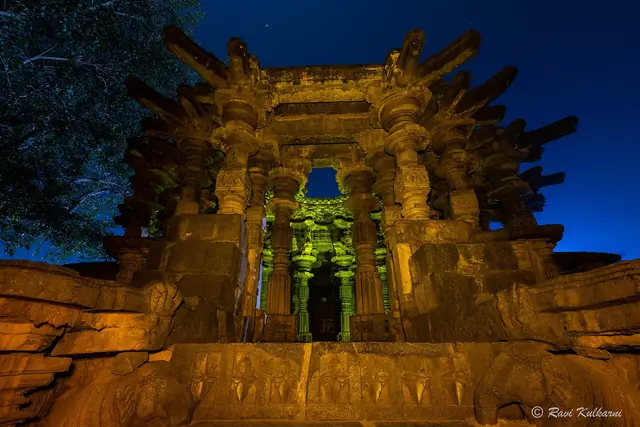
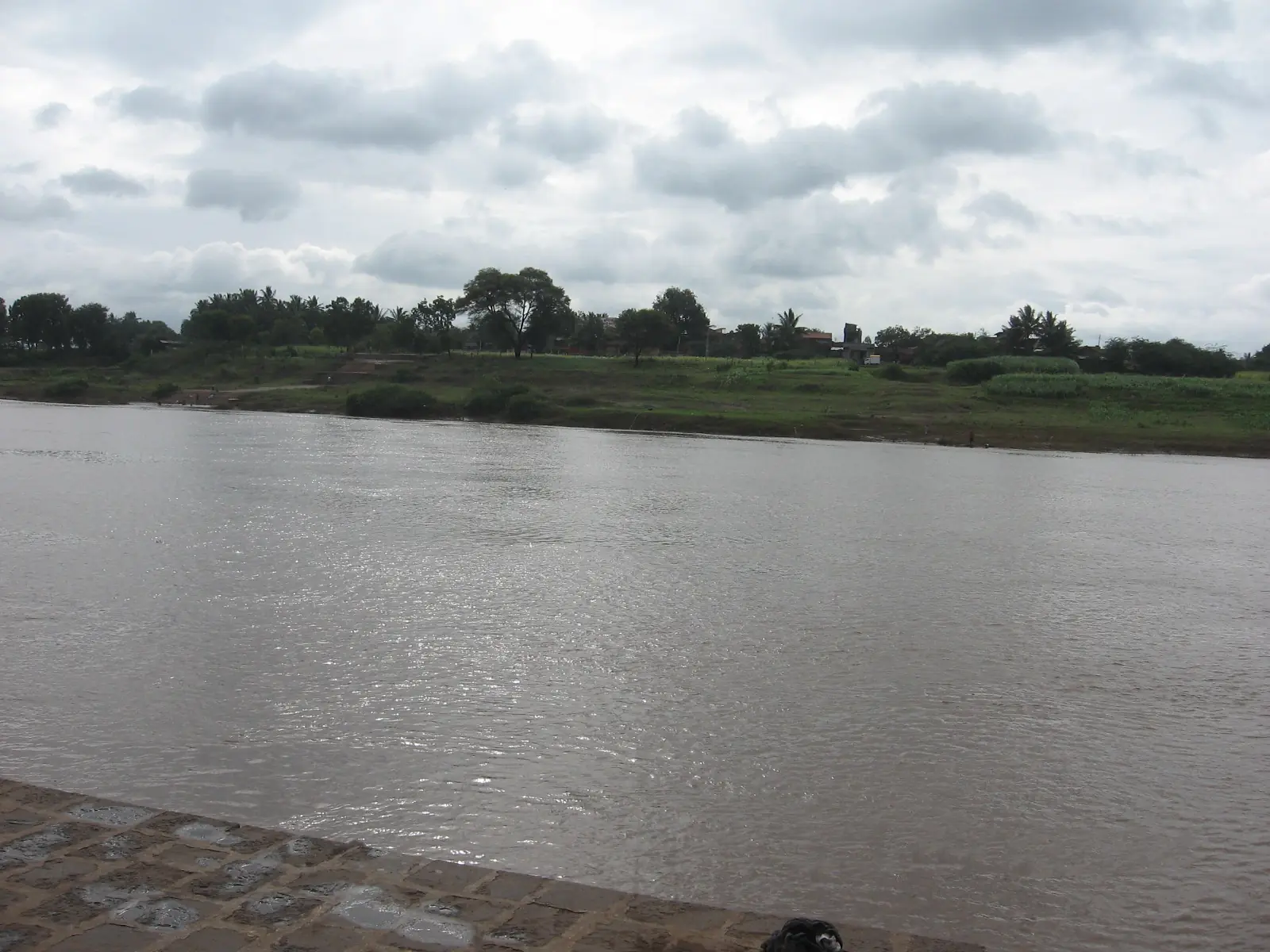
The Guru Charitra, the Marathi scripture of the Datta sampradaya, tells the life of Nrusimha Saraswati, born at Karanja, who took sannyasa and wandered the Deccan. He stayed twelve years at this confluence under an audumbar tree, the tree of Datta, before going on to Ganagapur, and he left his padukas here for his devotees. The shrine is a small one on the river’s edge, built so low that the padukas sit almost at water level. The Datta devotees of Maharashtra and Karnataka call it simply Wadi.
02Dakshinadwar
In the monsoon, when the Krishna rises, the water comes in through the southern door of the shrine and flows over the padukas and out again. This is the Dakshinadwar sohala, and devotees wait for it and bathe in that water as a blessing. Daily worship runs on a fixed timetable of abhishek, palkhi and evening shejarti, kept by the pujari families of the village for centuries. The pedha of Narsobawadi, a sweet made with basundi, is taken home as prasad.
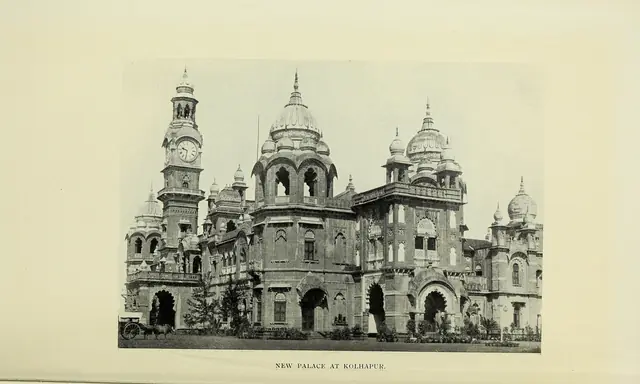
About 45 km from Kolhapur and 20 km from Sangli. Dakshinadwar happens only in high floods of the Krishna; check the river before travelling.