01Sankardev meets Madhavdev
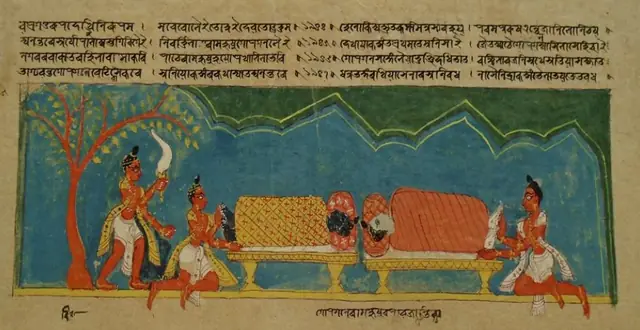
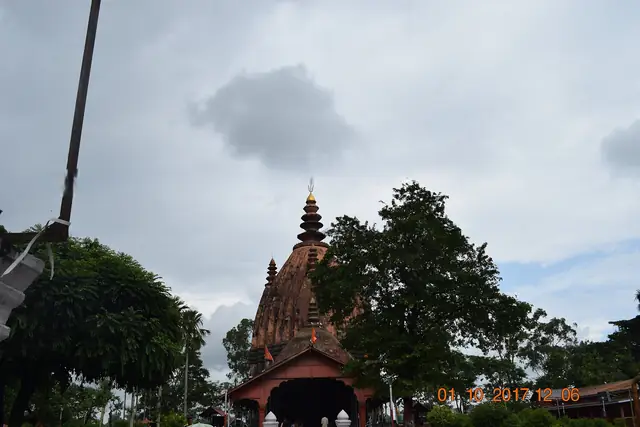
Srimanta Sankardev came up the Brahmaputra and stayed at Dhuwahat-Beloguri on Majuli. There a Shakta scholar named Madhavdev argued with him over sacrifice to the Devi and, persuaded, became his chief disciple. Assamese Vaishnavas count that meeting as the true beginning of the satra movement. Sankardev taught surrender to Krishna alone, through naam-kirtan, the singing of his names, and gave Assam the Bhagavata in Assamese verse, the borgeet songs and the Ankiya Naat plays.
02Life in a satra
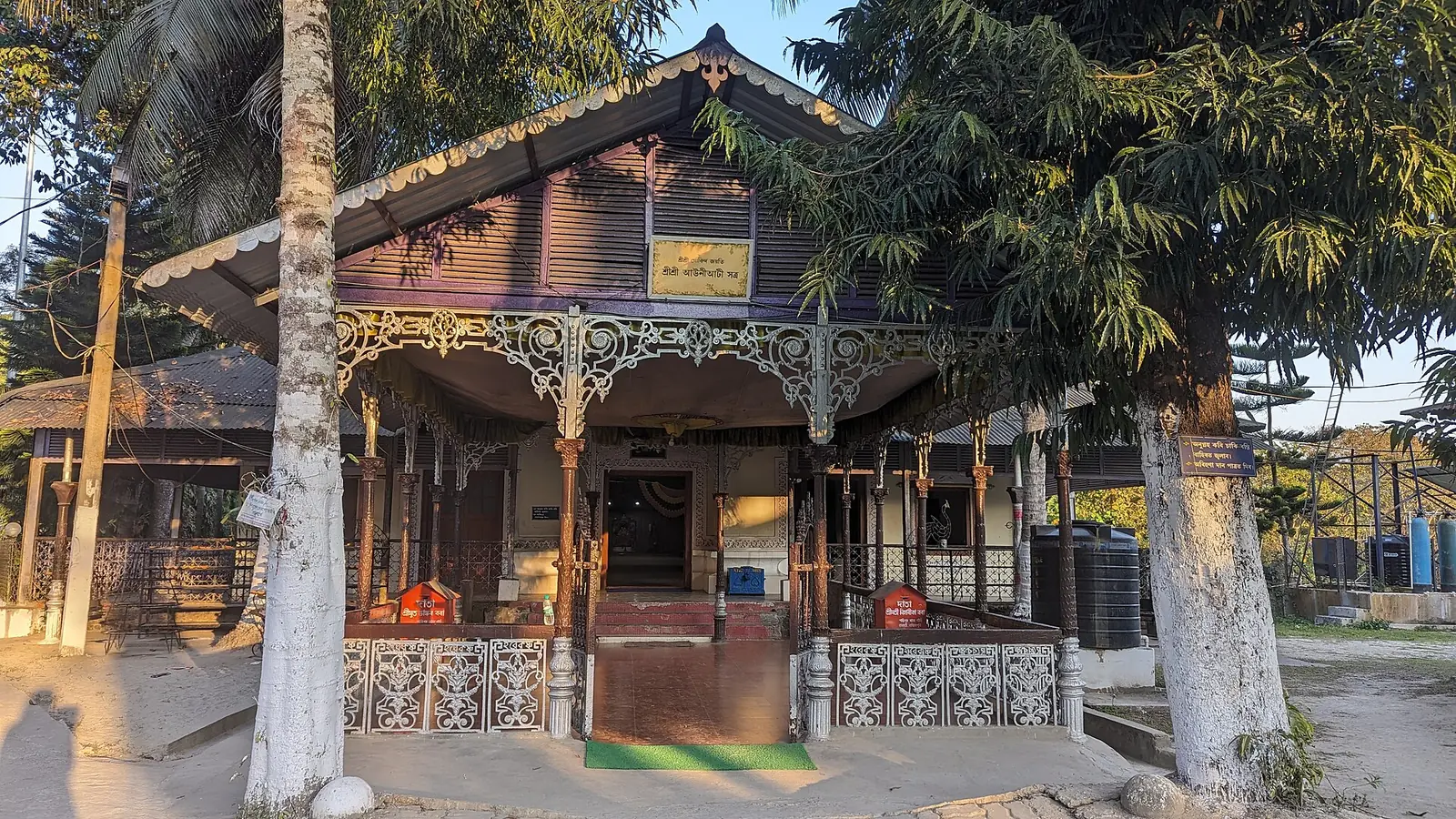
A satra is built around the namghar, a long prayer hall, facing the manikut where the Bhagavata is kept on the throne in place of a murti. Bhakats, many celibate from boyhood, live in rows of huts around it. The Ahom kings gave land to the larger satras: Auniati was founded in 1653 under Jayadhwaj Singha, and Dakhinpat and Garamur also date from Ahom times. The Sattriya dance, first performed in the namghar, was recognised as a classical dance of Bharat by the Sangeet Natak Akademi in 2000. At Samaguri satra families still make the masks used in the Bhaona plays.
The life of this place
- early 16th centurySankardev at Beloguri on Majuli; Madhavdev becomes his disciple.
- 1653 CEAuniati satra founded with the patronage of Ahom king Jayadhwaj Singha.
- 2000 CESattriya recognised as a classical dance by the Sangeet Natak Akademi.
Ferry from Nimati Ghat near Jorhat to Kamalabari; Raas Leela in the satras in November is the best time.