01Chittor won back
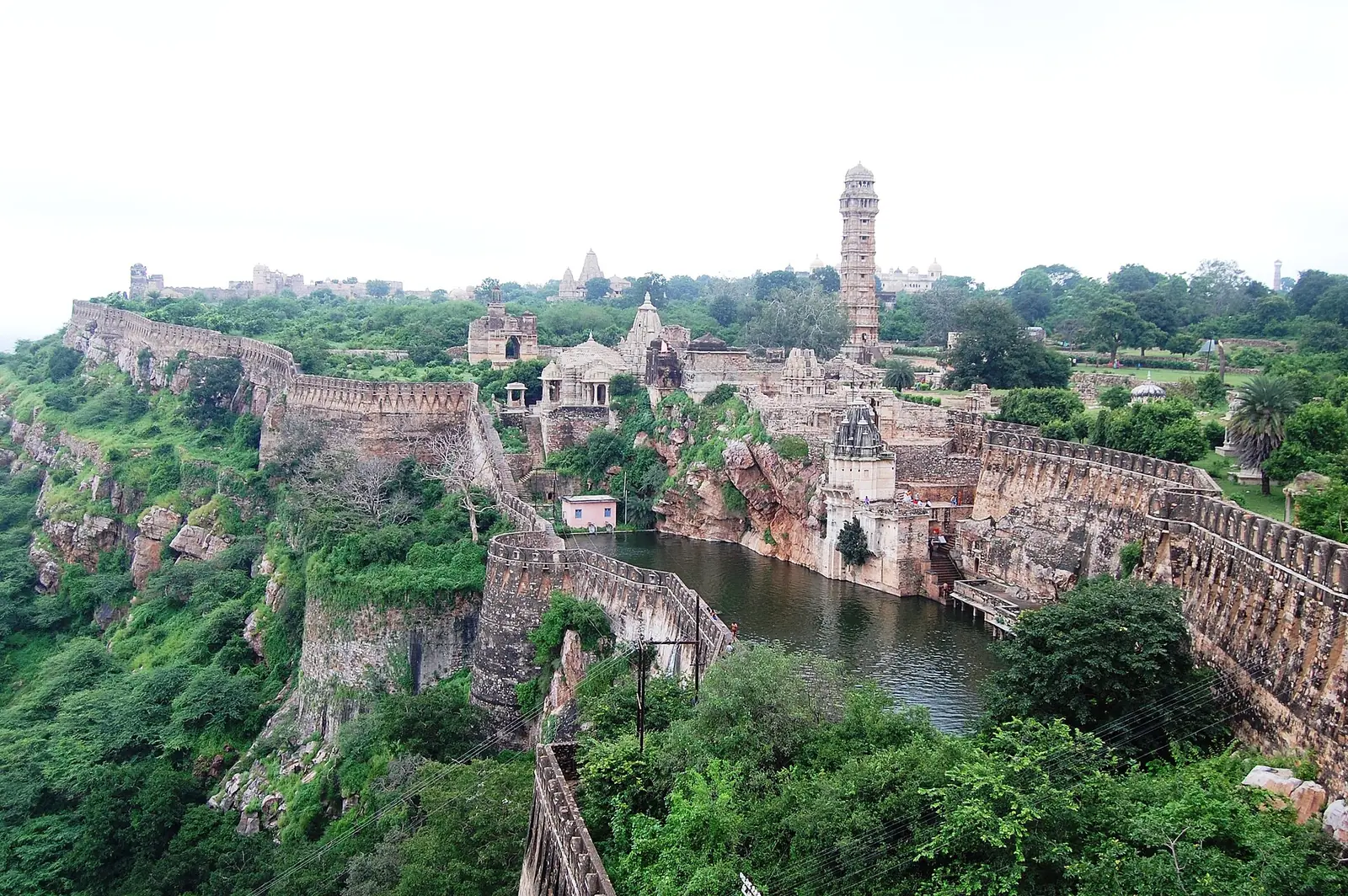
After 1303 Chittor was held for Delhi, first by Alauddin’s son Khizr Khan and then by the Songara Chauhan chief Maldeo. Hammir, grandson of Lakshmana Simha of Sisoda who had died in the 1303 siege, worked from the hills of the Aravalli, gathering clans and taking outlying posts. Around 1326 he took Chittor itself. The Mewar chronicles and the fifteenth-century prashastis of Kumbha’s reign name him as the one who restored the line, and every later Rana, Kumbha, Sanga and Pratap among them, traced descent from him.
02Singoli, as Mewar remembers it
Mewar tradition holds that Muhammad bin Tughlaq marched against Hammir and was defeated and taken prisoner at Singoli, and released only after giving up territory and a ransom. The Persian chronicles of the Sultanate are silent on such a battle, and historians are divided on it. What is certain is that from Hammir’s time Mewar was again a free kingdom with Chittor as its seat, and it would stay so for more than two centuries.