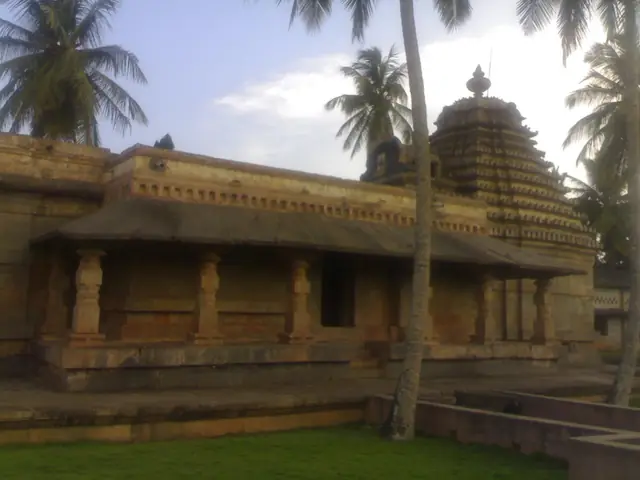
01A fort fought over
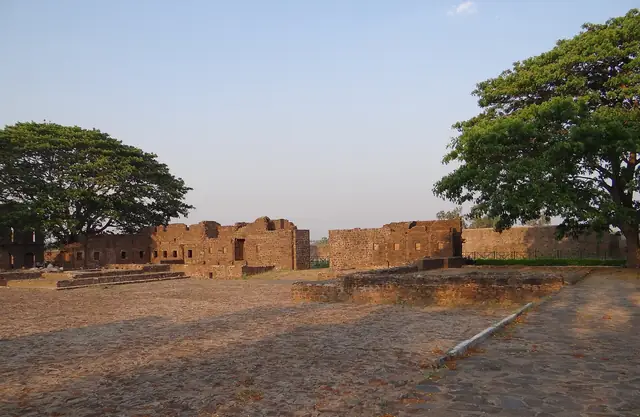
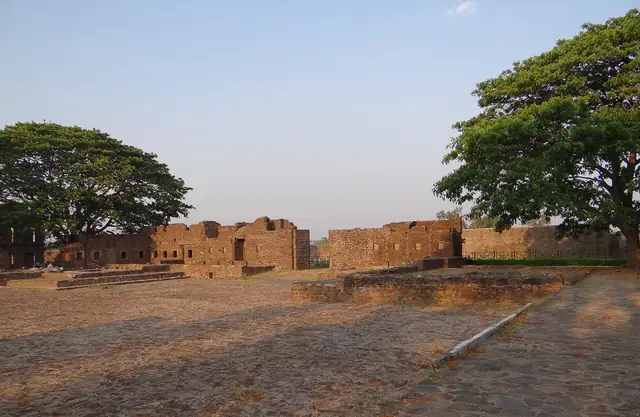
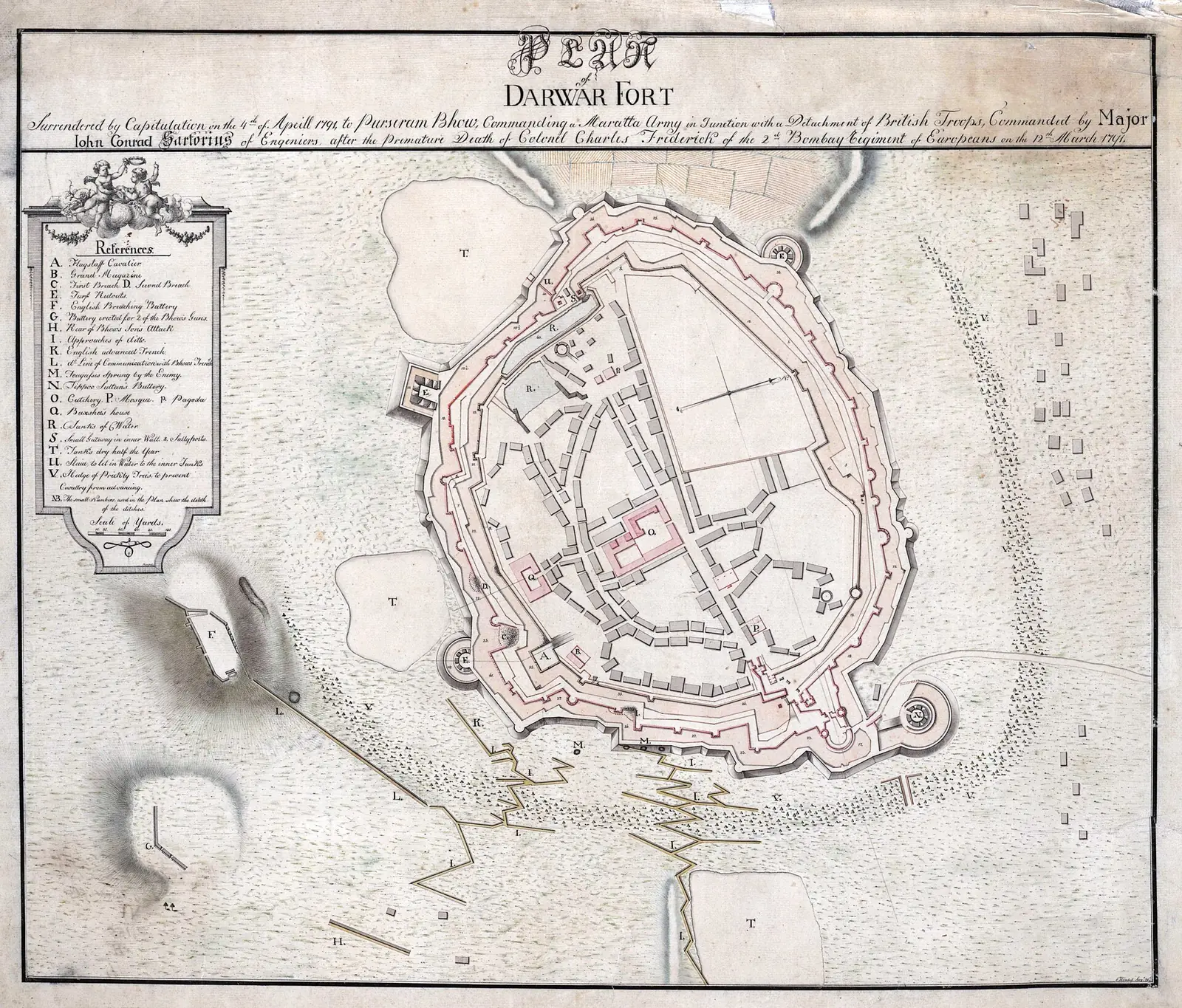
Local tradition says Dharav, an officer of Vijayanagara, raised the fort in 1403, and the town took his name. After Talikota in 1565 its Hindu governor held on for a few years until Bijapur’s army took the fort in 1573. Aurangzeb’s forces took it in 1685, and as Mughal power broke the Marathas came. Hyder Ali’s army captured the fort in 1778. In the war of 1790–91 a Maratha army under Parashuram Bhau, with a British detachment, sat down before Dharwad for months; the garrison surrendered on 4 April 1791. After the fall of the Peshwa in 1818 the district passed to the Company’s Bombay Presidency.
02Thackeray, Kittur and after
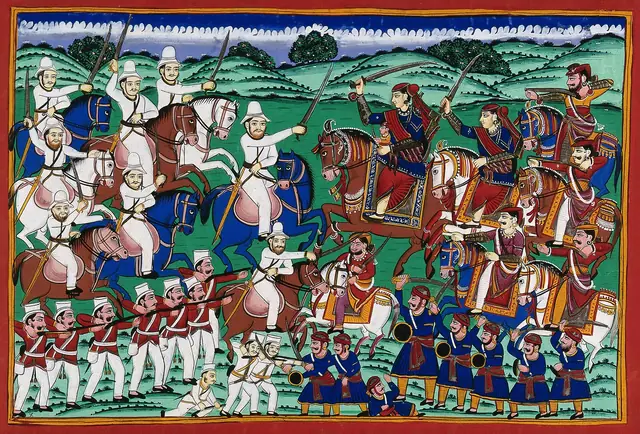
From Dharwad the collector John Thackeray rode to Kittur in October 1824 to seal the treasury of a state whose adopted heir the Company refused to recognise. On 23 October Rani Chennamma’s men shut the gates, fought, and killed him. Dharwad later grew into a town of schools and music. Karnatak University was founded here in 1949, the poet D. R. Bendre lived and wrote in its Sadhanakeri quarter, and the region gave the Hindustani stage singers of the Kirana and Gwalior lines. Few traces of the old fort survive in the town today.
The life of this place
- 1403 (tradition)The fort is built under Vijayanagara.
- 1573The Adil Shahi army of Bijapur takes the fort.
- 1685Aurangzeb’s forces take Dharwad.
- 1778Hyder Ali captures the fort.
- 4 April 1791The garrison surrenders to Parashuram Bhau’s Maratha army after a long siege.
- 1818Dharwad passes to the East India Company.
- 23 October 1824Collector Thackeray of Dharwad is killed at Kittur.