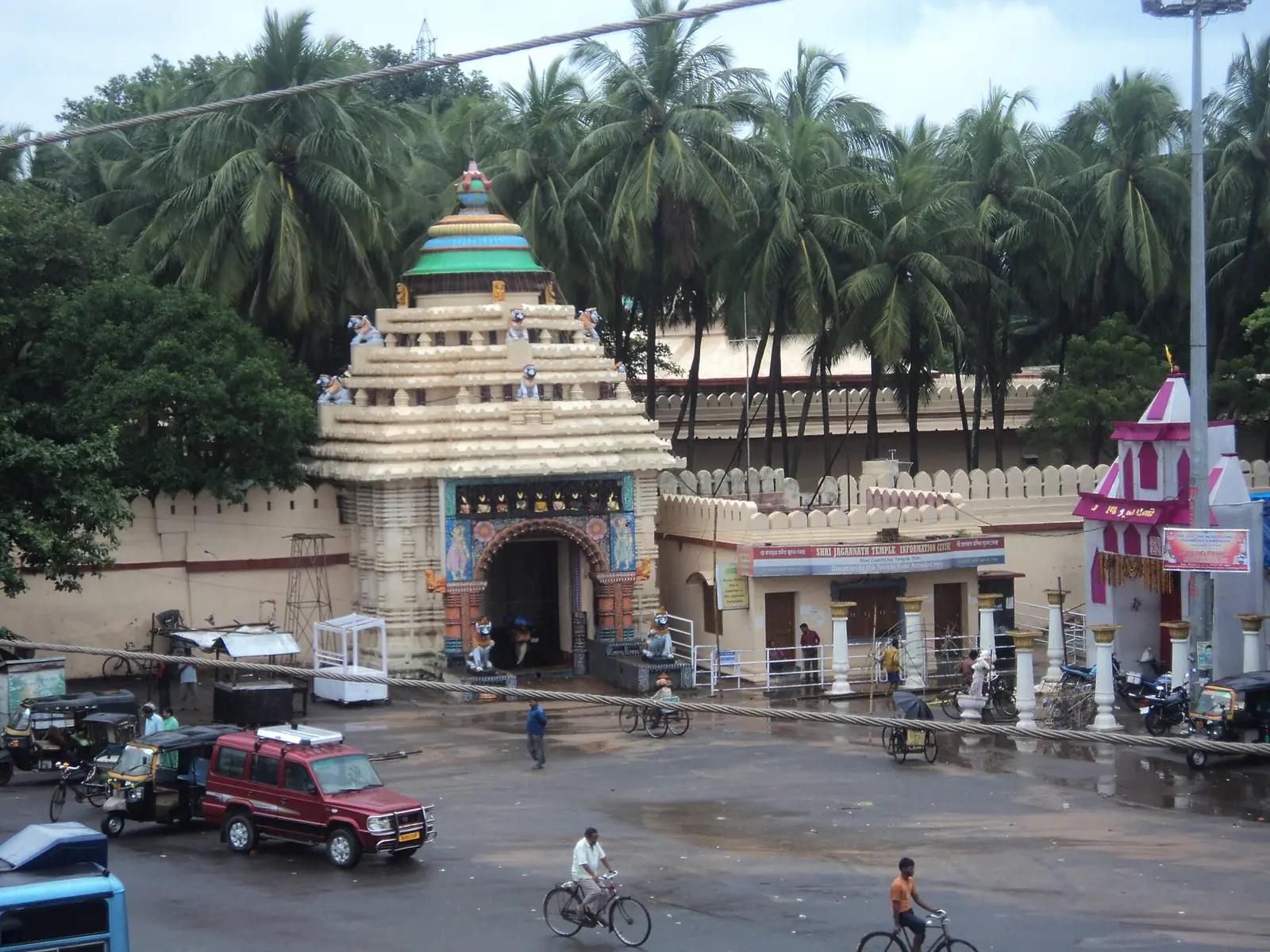
01The Lord’s summer house
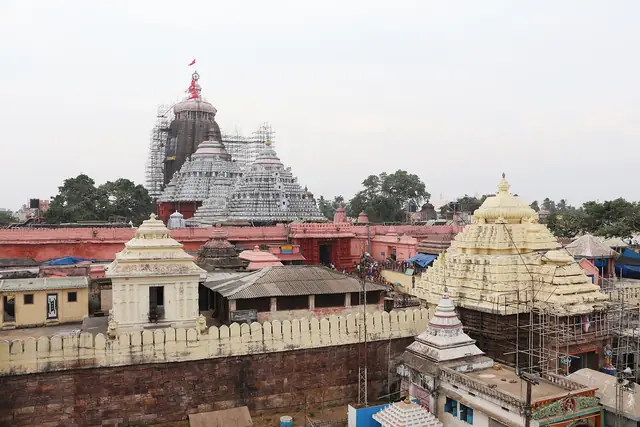
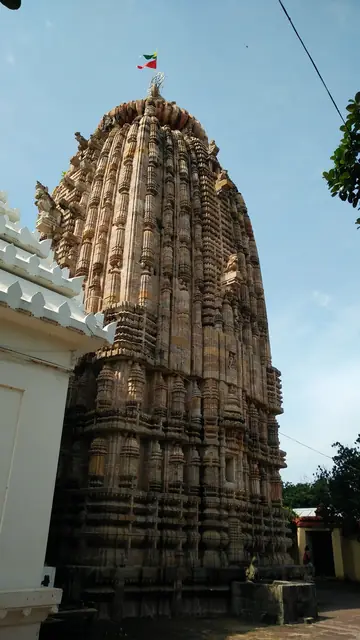
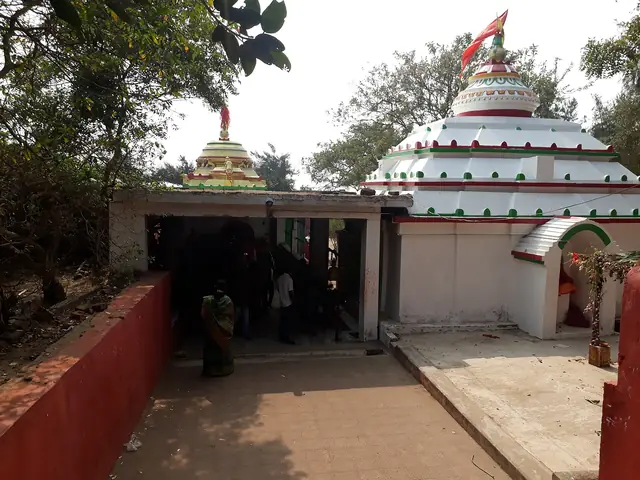
The temple takes its name from Gundicha, queen of Raja Indradyumna, whom the Puri tradition remembers as the founder of the first Jagannath temple; the Lord, it is said, comes each year to his aunt’s house. The three chariots are pulled about three kilometres down the Bada Danda and the deities are carried in pahandi, swaying, to the Ratna Vedi inside. For seven days pilgrims who have no entry to the main temple can see them here. The bhoga cooked in Gundicha’s kitchen during these days is called adapa abhada, and Puri families value it above all other prasad.
02Washing the temple, and Lakshmi’s anger
The day before the Rath Yatra is Gundicha Marjana, when devotees wash the whole temple with pots of water. The Chaitanya Charitamrita describes Shri Chaitanya Mahaprabhu leading his companions in this seva, scrubbing the floors and the altar and treating the work as a cleansing of the heart. On the fifth day, Hera Panchami, Mahalakshmi comes from the main temple in a palanquin, finds that her Lord has not come back, and in her anger breaks a piece of his chariot before going home. Then on the tenth day the Bahuda Yatra takes the three back.
The life of this place
- early 16th centuryShri Chaitanya leads the Gundicha Marjana seva in Puri, as the Chaitanya Charitamrita records.
At the north-east end of the Bada Danda, about 3 km from the Jagannath temple; open to Hindus, busiest in the nine days of the Rath Yatra.