01Rajas and foreign forts
The rajas of the Perumpadappu line moved their seat to Kochi after the new harbour opened, and spent the next centuries squeezed between the Zamorin of Kozhikode and whoever came by sea. They welcomed Cabral in 1500 as an ally against the Zamorin, and in 1503 the Portuguese built Fort Manuel here, the first European fort on Indian soil. Vasco da Gama died at Kochi in 1524. The Dutch took the town in 1663 and the British in 1795. The Mattancherry palace, given to the raja by the Portuguese around 1545 and repaired by the Dutch, holds some of the finest Kerala murals of the Ramayana, painted on its bedchamber walls.
02Velu Thampi’s rising
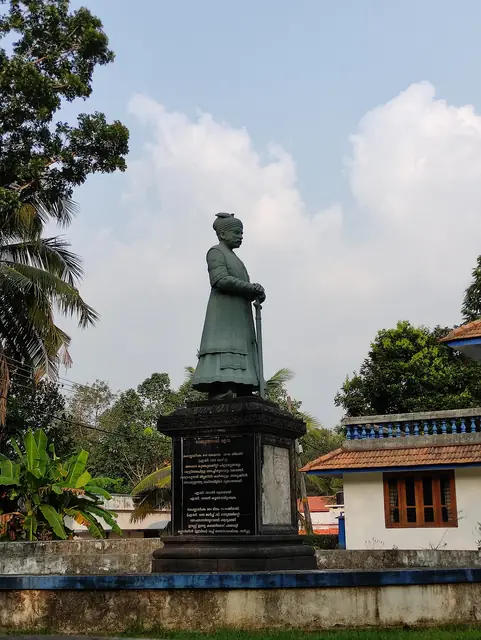
By 1800 both Cochin and Travancore were bound to the Company by subsidiary treaties and a British Resident, Colin Macaulay, ruled in all but name. In December 1808 Velu Thampi, the Dalawa of Travancore, and Paliath Achan, chief minister of Cochin, struck together; their men attacked Macaulay’s house at Kochi and he escaped to a ship in the harbour. The rising was broken within months. Cochin state joined Travancore in 1949, and Kochi grew into Kerala’s great port and naval base.
The life of this place
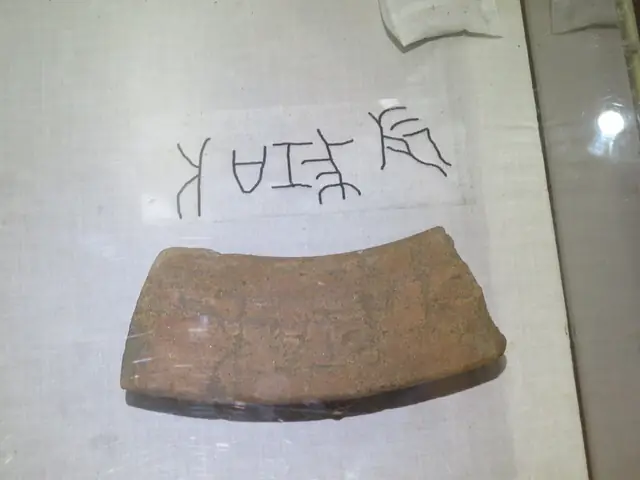
- 1341A great Periyar flood silts Muziris and opens the Kochi harbour.
- 1503The Portuguese build Fort Manuel.
- 1663The Dutch take Kochi.
- 1795The British take Kochi from the Dutch.
- December 1808Velu Thampi’s and Paliath Achan’s men attack the Resident’s house.
- 1949Cochin state merges with Travancore.