01From the Nizam Shahs to the Peshwa
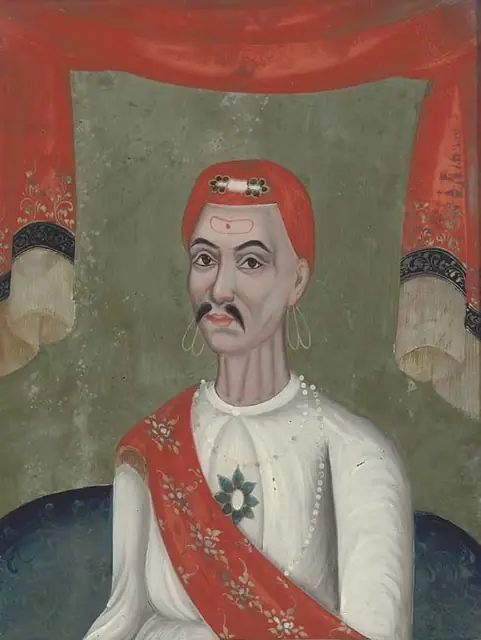
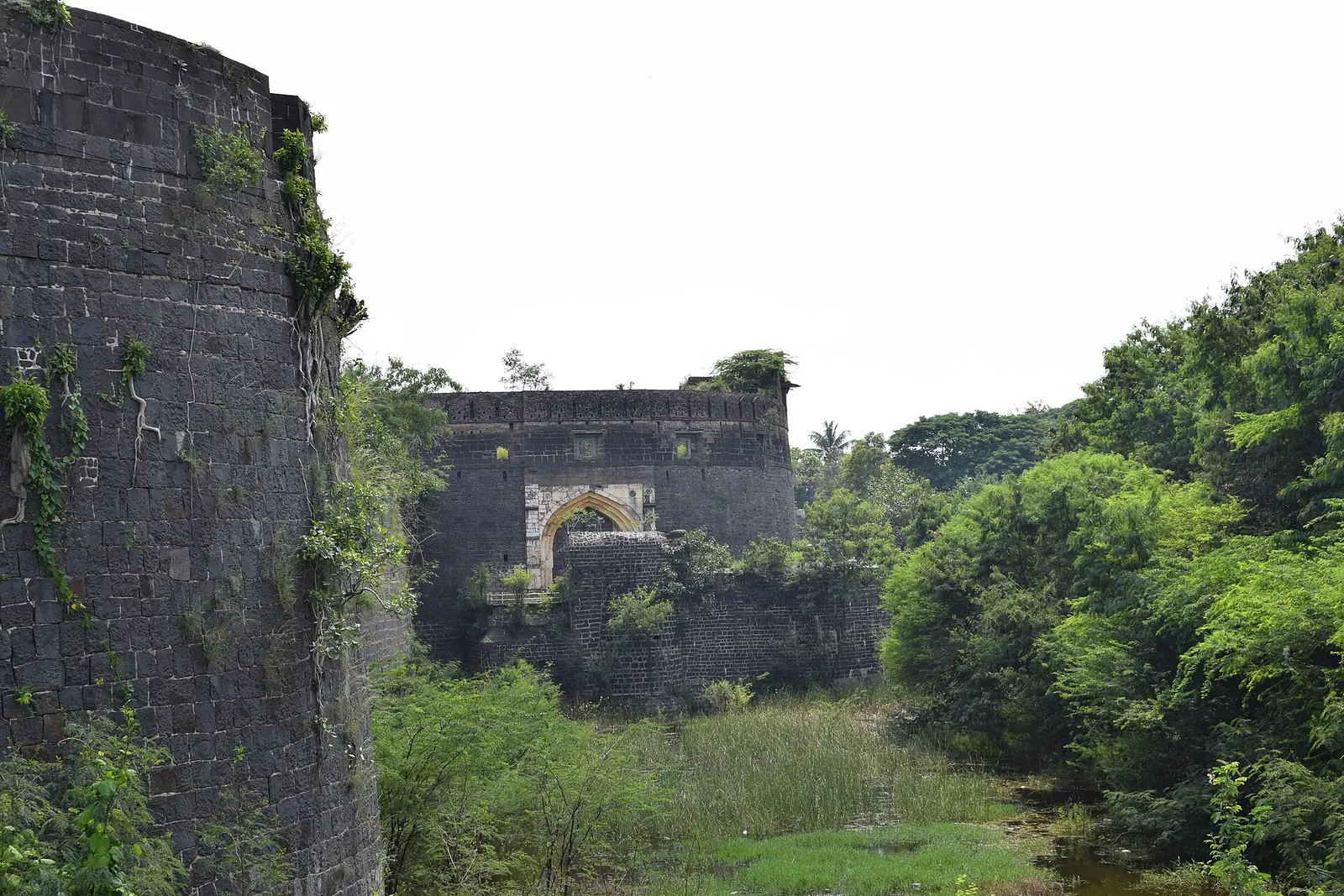
Ahmad Nizam Shah broke from the Bahmani sultanate and in the 1490s founded the city that carries his name, on the Sina river. His grandson Hussain Nizam Shah gave the fort its stone walls and wide moat around 1560. In 1595–96 Chand Bibi held it against Mughal prince Murad, but the fort fell to Akbar’s army in 1600. Shahaji Bhonsle, Shivaji’s father, spent years propping up the last Nizam Shahi princes before Ahmednagar was finally lost in 1636. The Marathas took the fort in 1759, and in 1797 Daulatrao Scindia, who then held it, kept the old minister Nana Phadnavis prisoner inside.
02Prison of the Congress leaders
Arthur Wellesley took the fort from Scindia’s garrison on 12 August 1803, and it stayed a British military post. On 9 August 1942, the morning after the Quit India resolution, the Congress Working Committee was arrested in Bombay and brought here: Jawaharlal Nehru, Vallabhbhai Patel, Maulana Azad, Govind Ballabh Pant, Acharya Narendra Dev and others. They were held for nearly three years. Nehru wrote The Discovery of India in his cell in five months of 1944. The fort is still inside an Army cantonment, and the rooms where the leaders were kept are shown to visitors.
The life of this place
- 1490sAhmad Nizam Shah founds Ahmednagar and its first fort.
- 1559–62Hussain Nizam Shah rebuilds the fort in stone with a moat.
- 1600After Chand Bibi’s defence of 1595–96, the fort falls to Akbar’s army.
- 1759The Marathas take Ahmednagar fort.
- 1797Daulatrao Scindia imprisons Nana Phadnavis here; he is freed the next year.
- 12 August 1803Arthur Wellesley captures the fort in the second Anglo-Maratha war.
- 1942–45The Congress Working Committee is imprisoned here; Nehru writes The Discovery of India.
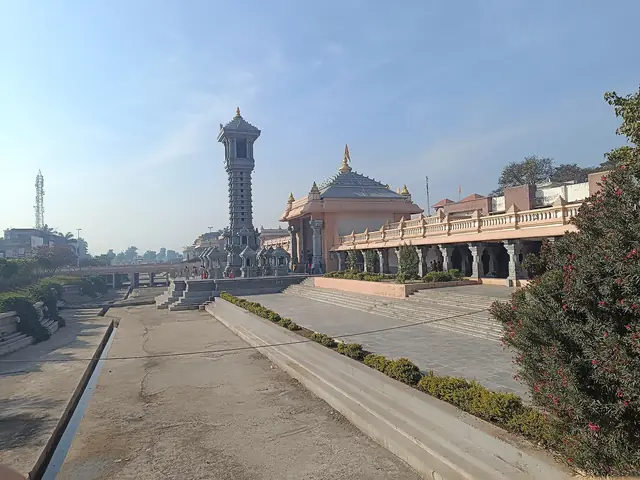
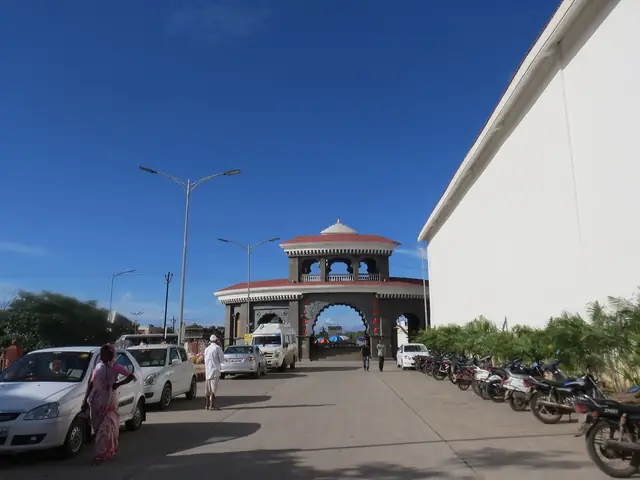
The fort lies on the east side of Ahmednagar (Ahilyanagar) inside the cantonment; visitors enter with an ID at set hours.