01Nimai the scholar
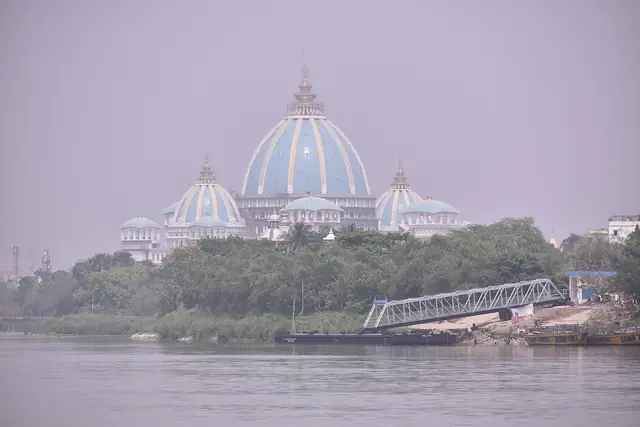
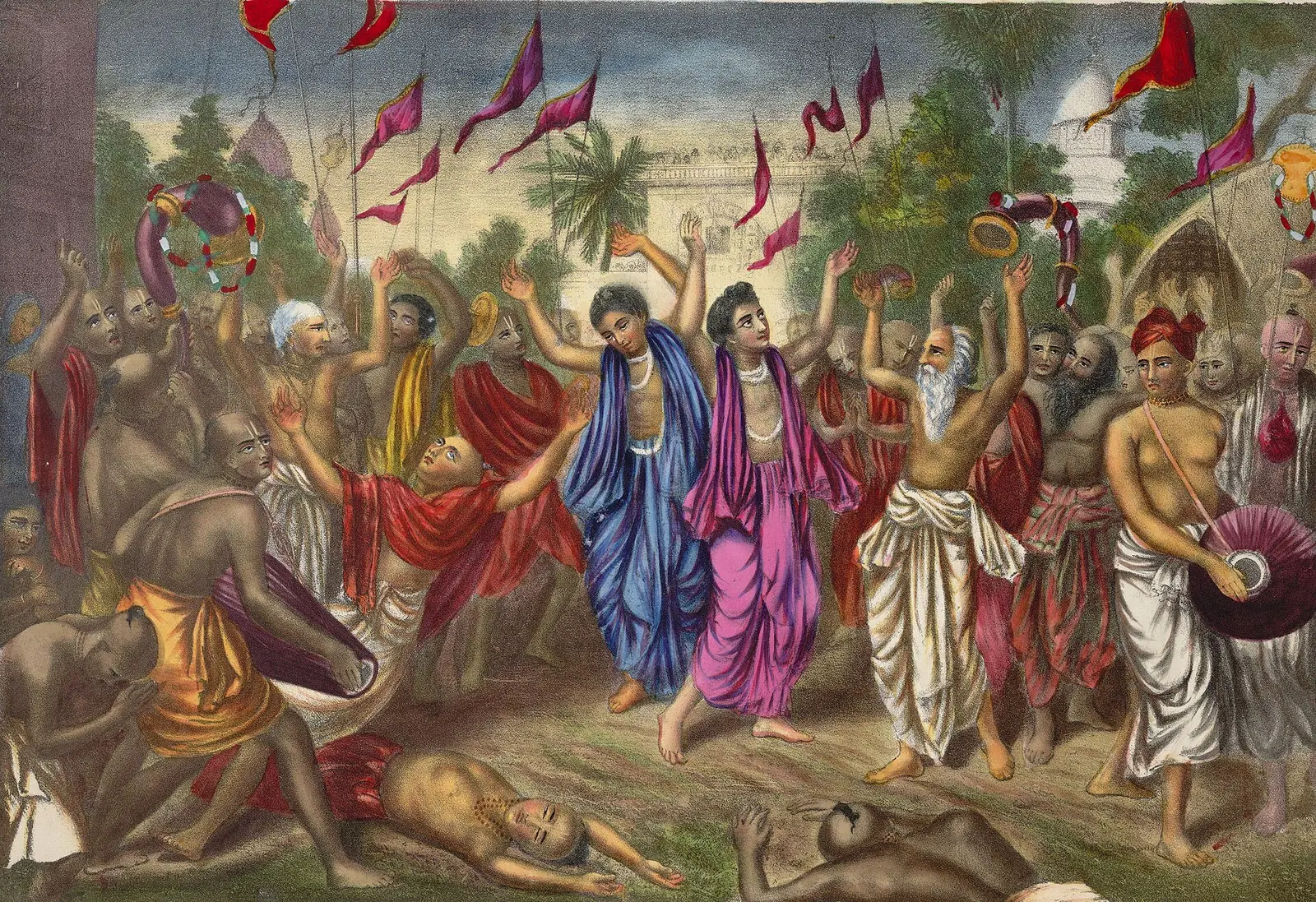
He was born Vishvambhar Mishra to Jagannath Mishra and Sachi Devi, and called Nimai because he was born under a neem tree. He grew into a sharp young teacher of Sanskrit grammar and logic in Nabadwip. In 1508 he went to Gaya to perform his father’s shraddha, met the sannyasi Ishvara Puri, took diksha, and came home changed. The scholar now wept, danced and sang the names of Krishna through the night with his companions in the courtyard of Shrivasa.
02Puri and the last years
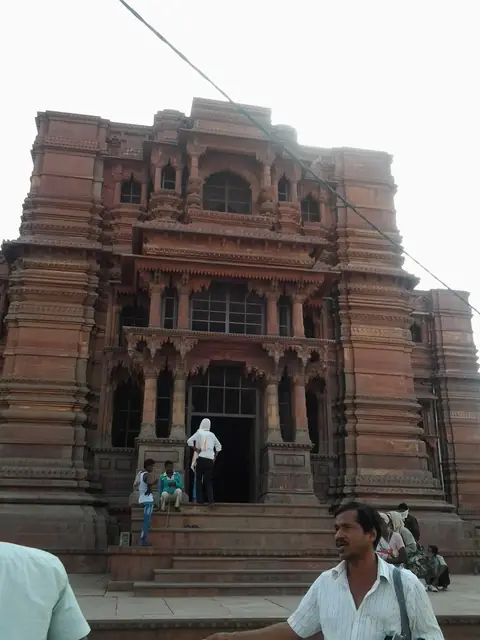
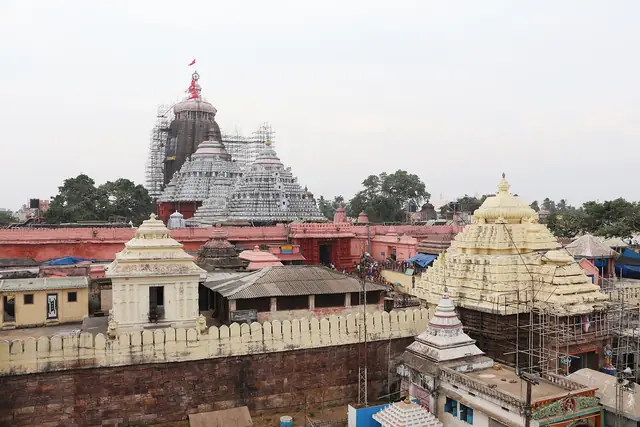
At twenty-four he took sannyasa from Keshava Bharati at Katwa and became Krishna Chaitanya. He settled at Puri, travelled south and to Vrindavan, and sent Rupa and Sanatana Goswami to Vraja to recover its lost tirthas and write the theology of the movement. The Gajapati king Prataparudra became his devotee. His own writing is only eight verses, the Shikshashtakam. He lived his last eighteen years at Puri, lost in the sight of Jagannath, and left the world there in 1534.
“Humbler than a blade of grass, more patient than a tree, giving honour to others and asking none for oneself, one should always sing the name of Hari.”
Shikshashtakam, verse 3