01Mangaladevi and Kadri
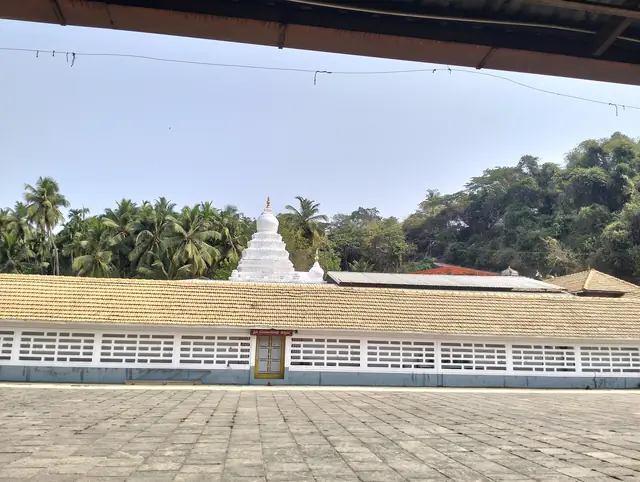
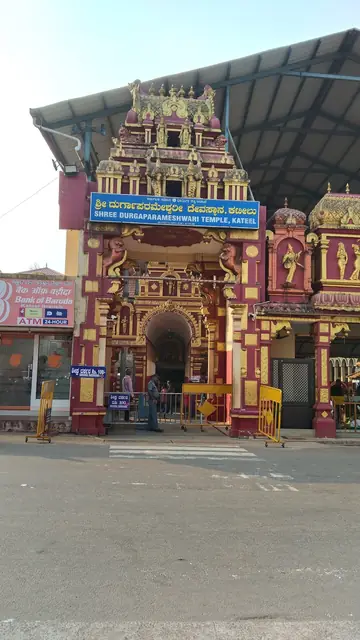
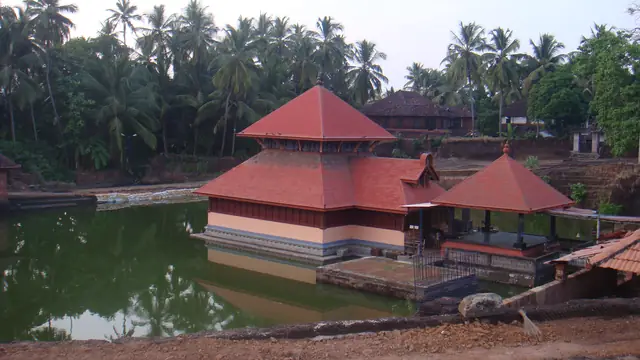
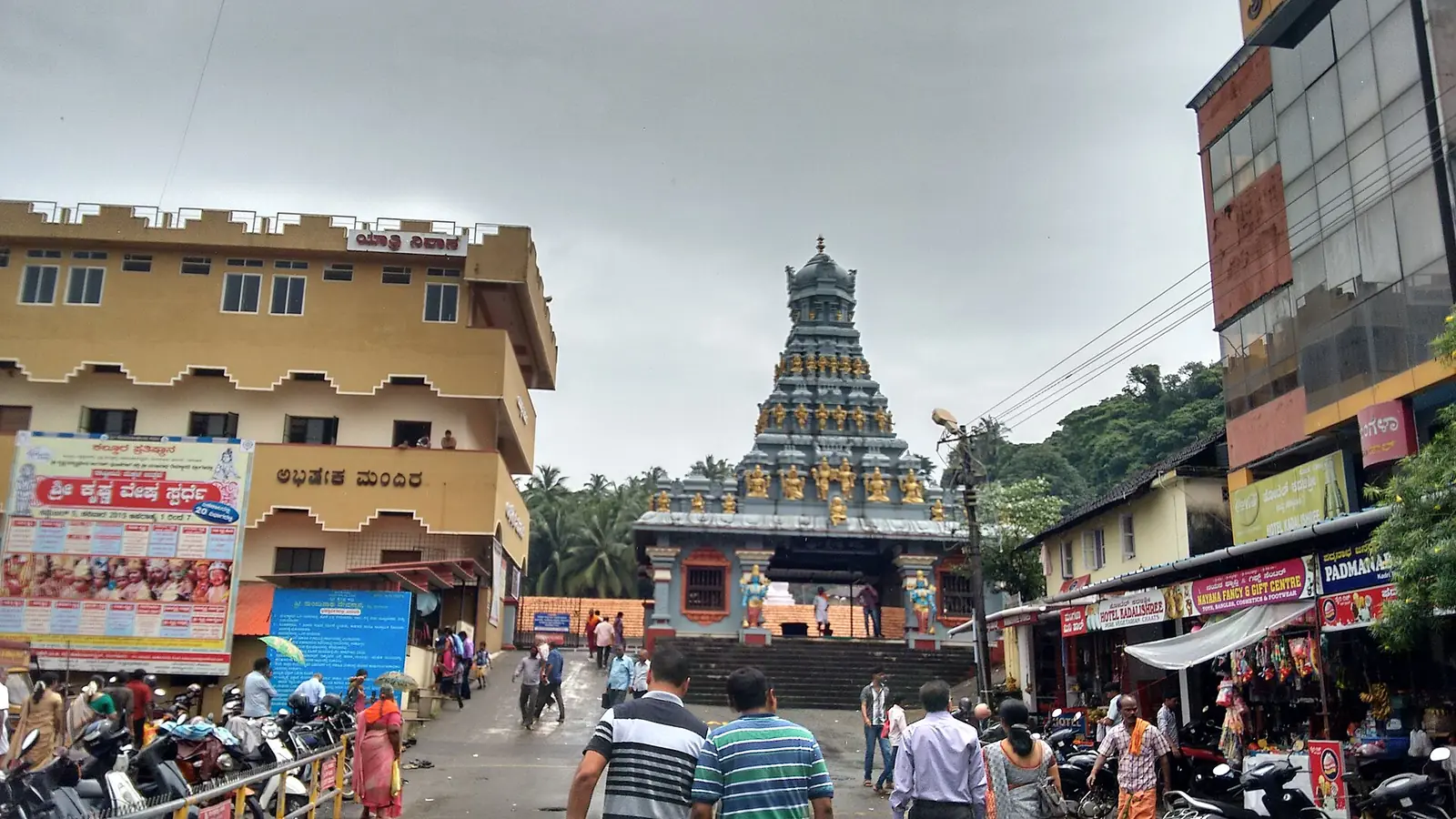
The city takes its name from the temple of Mangaladevi, the Devi worshipped at Bolar near the river mouth. The Alupa kings, who ruled Tulu Nadu for many centuries under the Kadambas, Chalukyas and their successors, held court here. On the hill of Kadri, the Manjunatha temple keeps a bronze of Lokeshvara with an inscription of the Alupa king Kundavarman dated 968, one of the finest early bronzes of the south, and the caves and tanks behind the temple belonged to the Nath yogis.
02Abbakka against the Portuguese
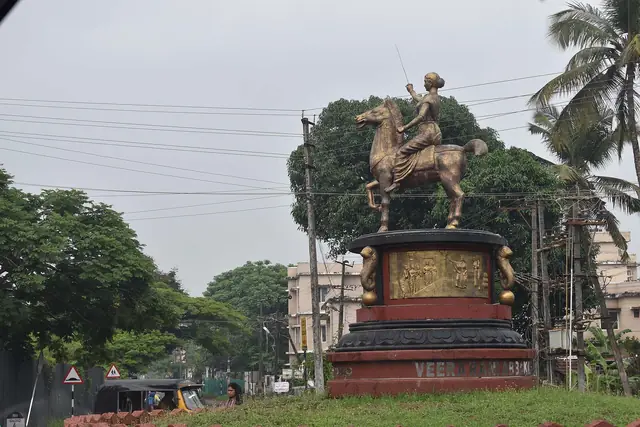
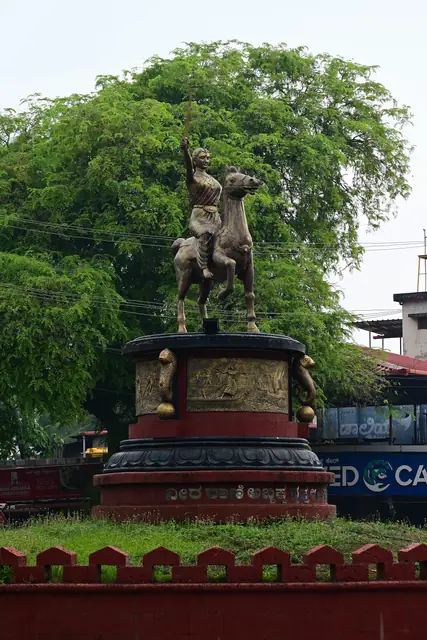
By the mid-1500s the Portuguese held Goa and demanded that every ship on the coast buy their pass, the cartaz. Abbakka, the Chowta queen of Ullal just across the Netravati from Mangaluru, refused, traded with the Zamorin and the Arabs, and beat off Portuguese attacks again and again from the 1550s. The Portuguese built a fort at Mangaluru in 1568. Two centuries later the city was fought over by Mysore and the British, and the treaty of Mangalore, signed here on 11 March 1784, ended the Second Anglo-Mysore War.
The life of this place
- 968Alupa king Kundavarman’s inscription on the Kadri Lokeshvara bronze.
- 1568The Portuguese build a fort at Mangaluru.
- 11 March 1784Treaty of Mangalore ends the Second Anglo-Mysore War.